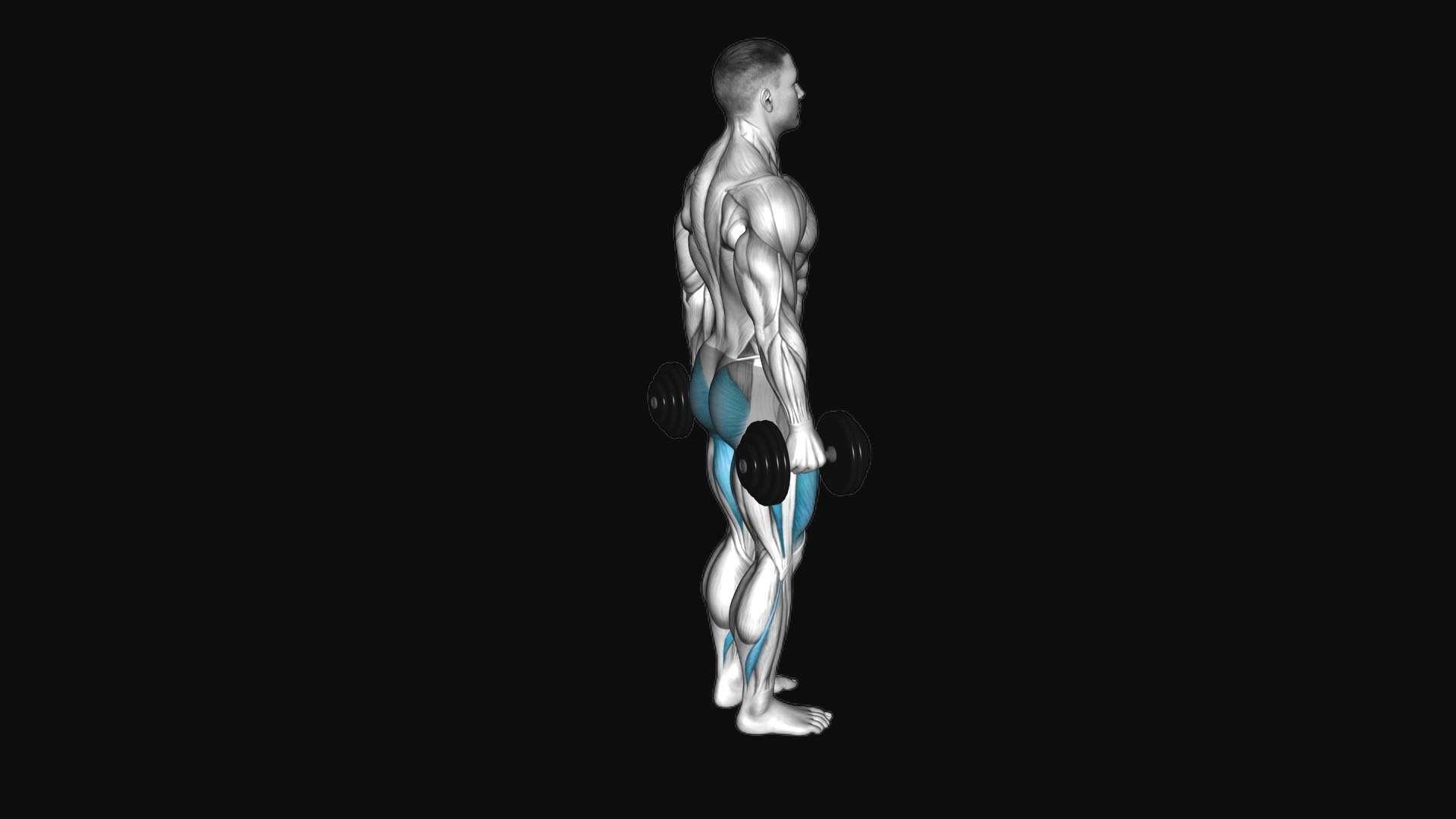
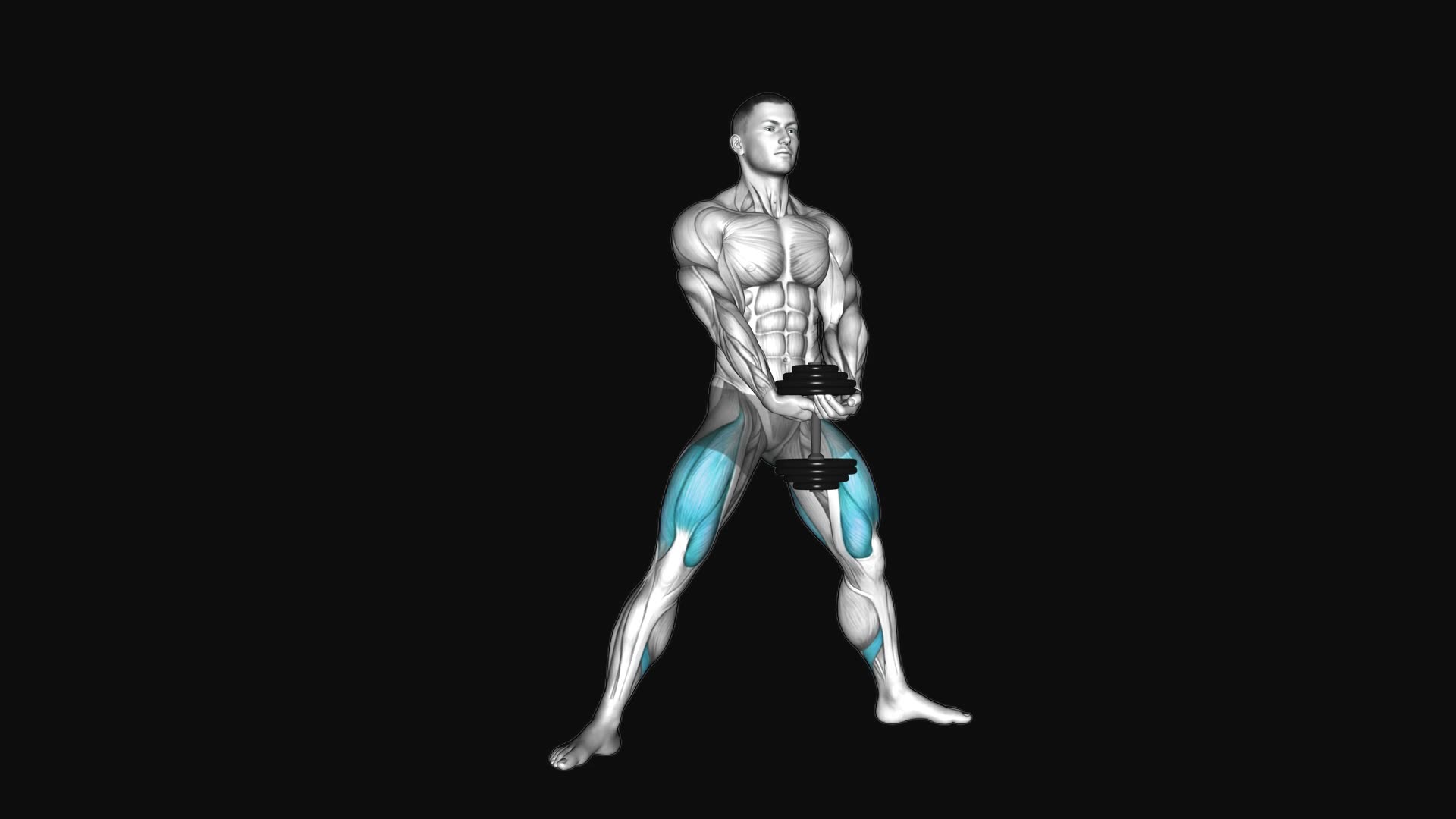
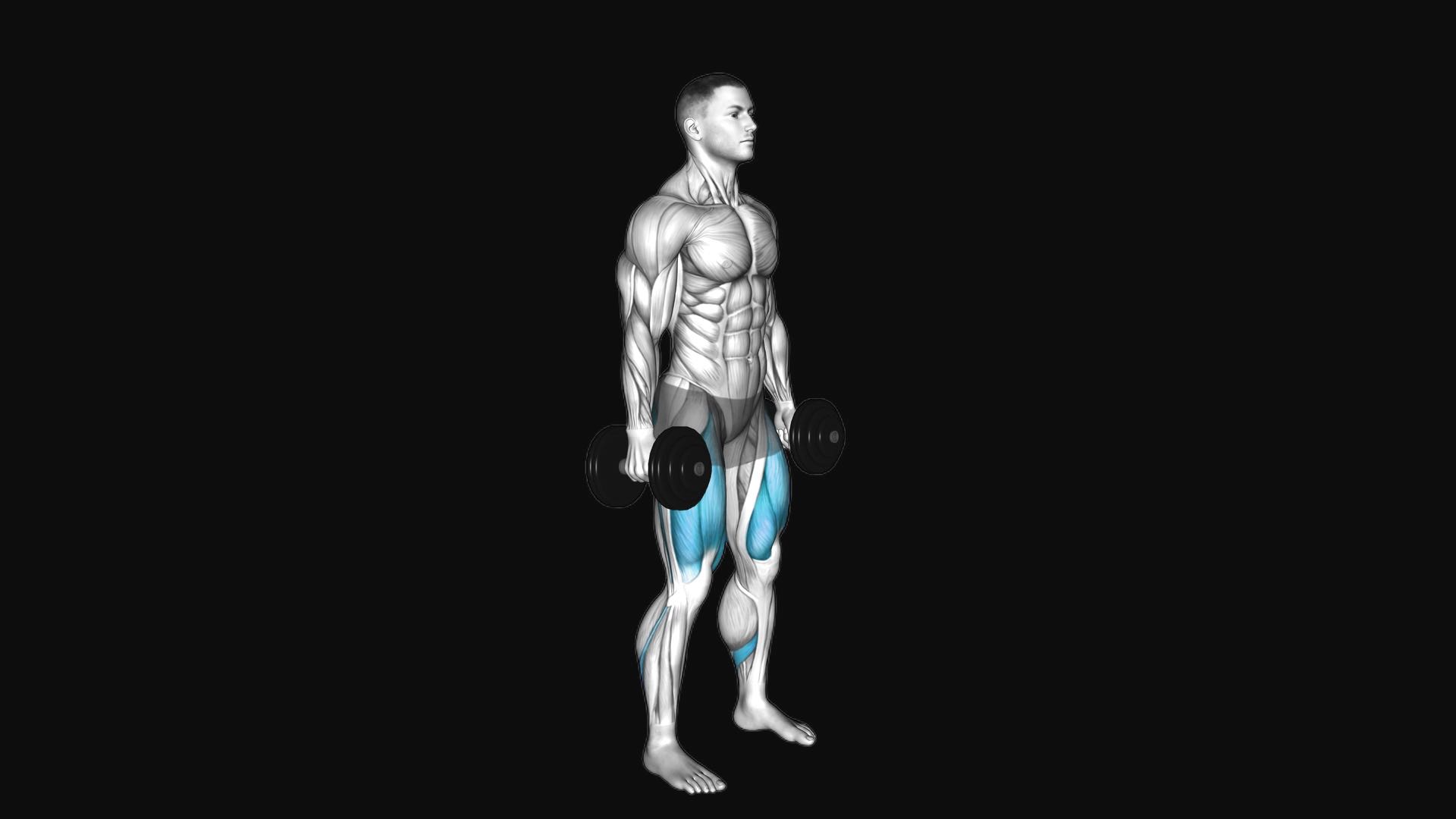
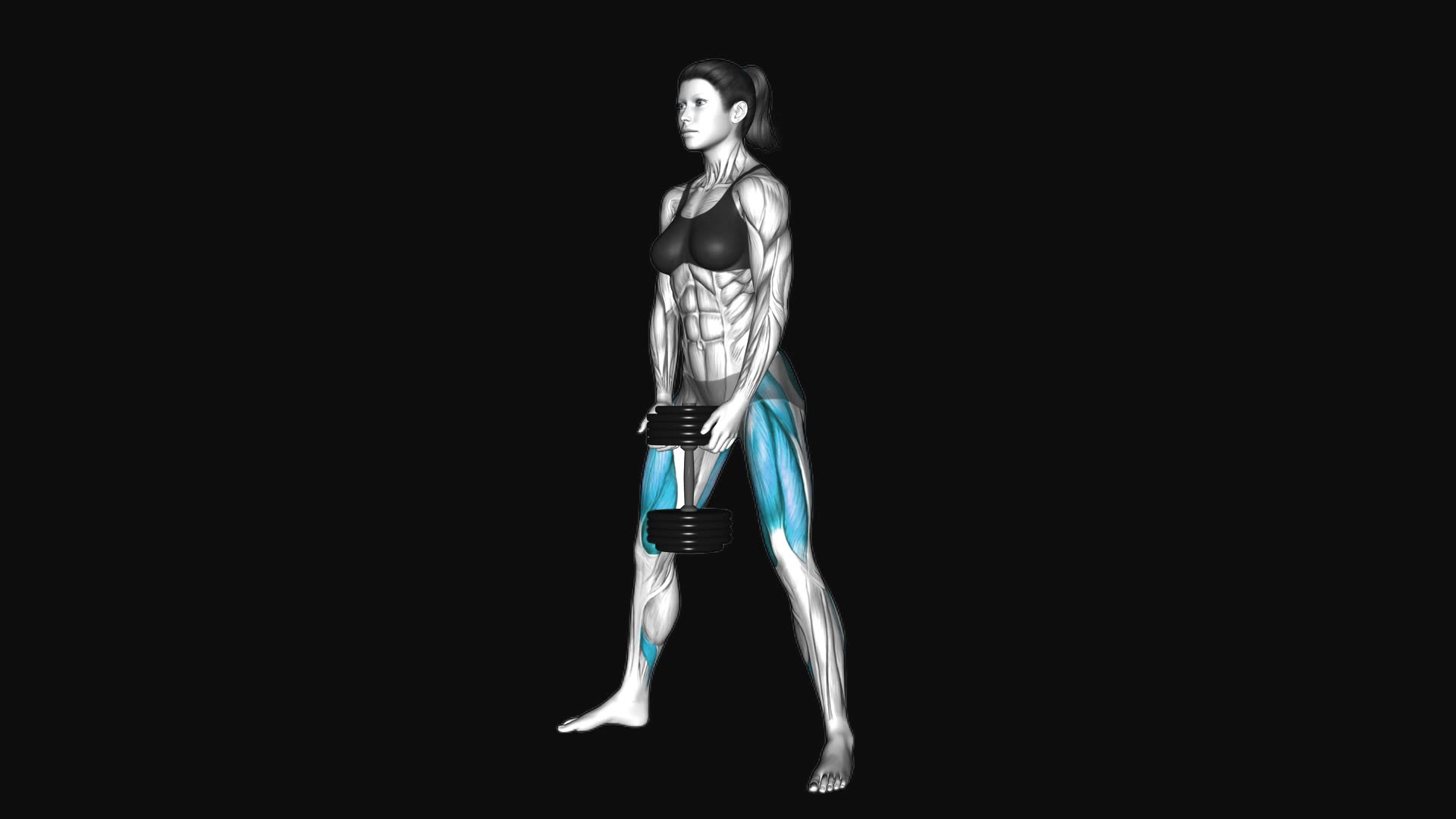
Legs · Dumbbells
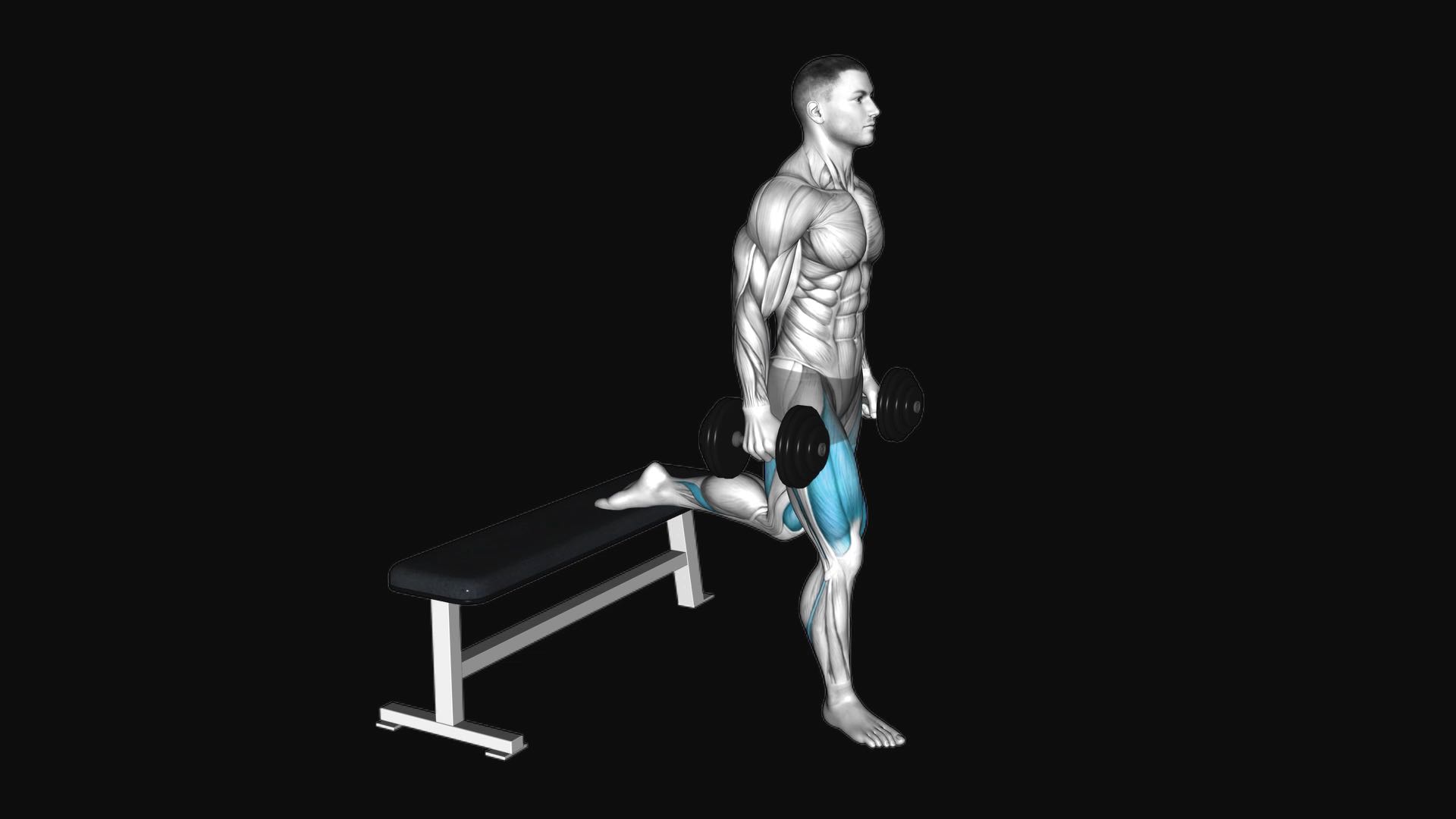
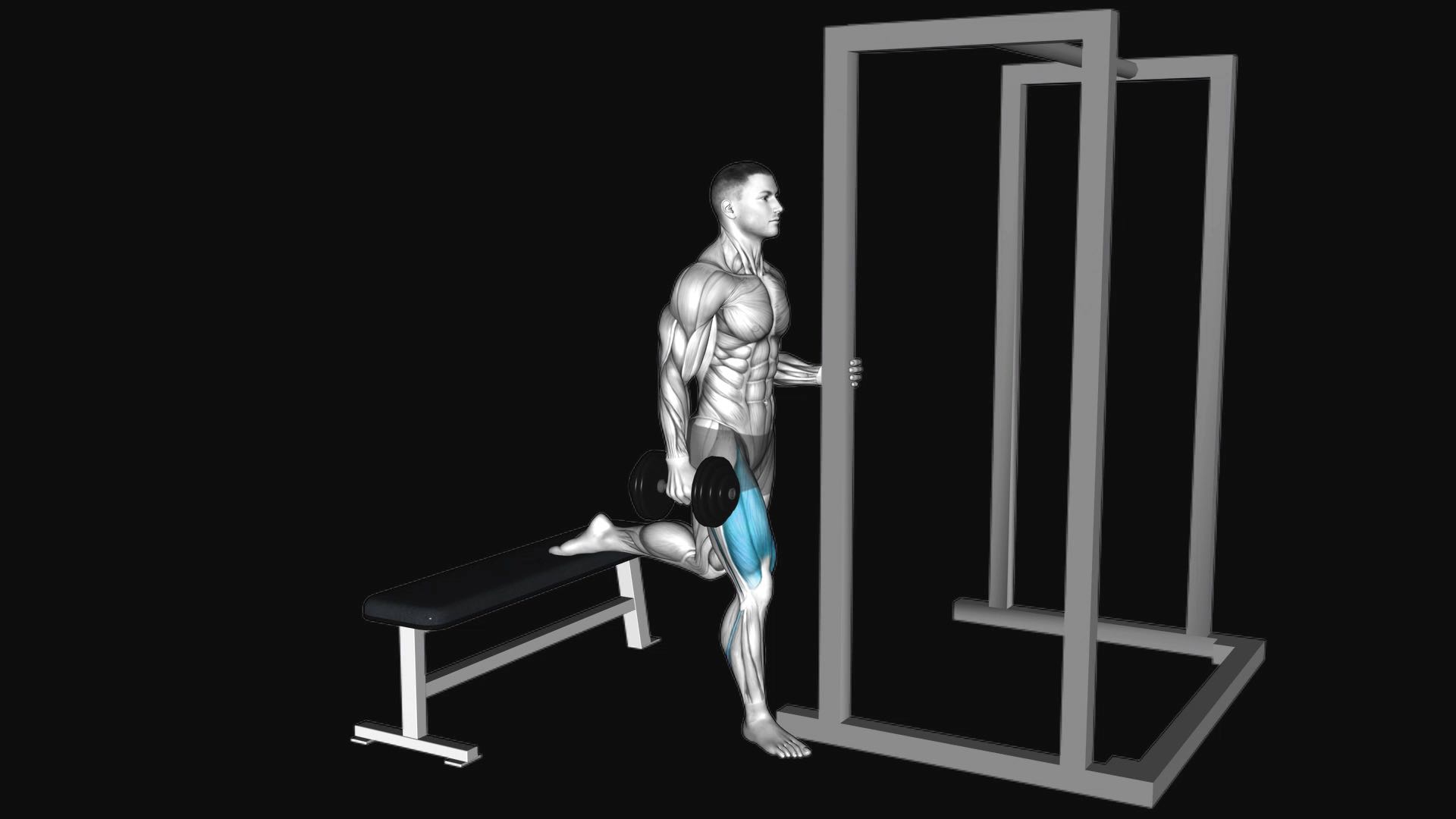
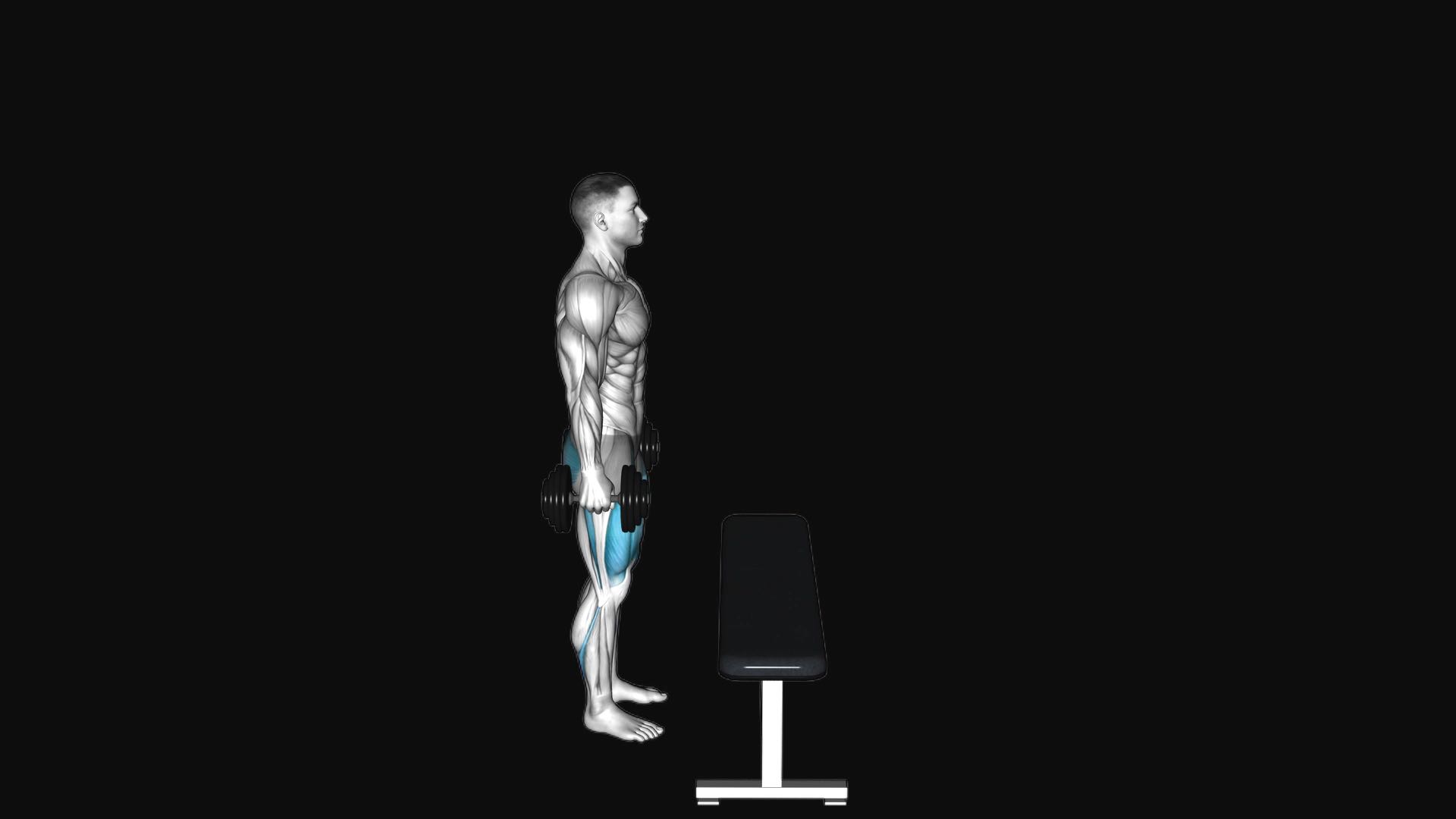
Dumbbell Thruster
The dumbbell thruster is a compound exercise that seamlessly combines a front squat with an overhead press into one fluid movement. It builds lower-body power, shoulder and triceps strength, and cardiovascular conditioning, fitting well into high-intensity functional training or full-body workouts.
- Equipment
- Dumbbells
- Type
- Strength
- Animation
- Men and women
How to do it
- Stand with your feet shoulder-width apart, holding a dumbbell in each hand at shoulder level.
- Position the dumbbells so that your palms are facing each other and your elbows are pointing forward.
- Lower your body into a squat by bending your knees and pushing your hips back, keeping your back straight and chest up.
- Inhale at the bottom of the squat. As you exhale, drive through your heels to stand up, using the momentum to press the dumbbells overhead.
- Extend your arms fully at the top of the press.
- Lower the dumbbells back to shoulder level as you simultaneously descend back into the squat position.
- Keep the movement fluid and continuous, combining the squat and the overhead press into one smooth motion.
Common mistakes
- Pausing at the top of the squat before pressing turns the exercise into two disconnected movements and wastes lower-body momentum.
- Allowing the knees to cave inward during the squat ascent compromises joint stability and places undue stress on the knees.
- Overextending the lower back at the top lockout places excessive strain on the lumbar spine rather than relying on core stability.
Tips
- Keep your elbows pointed forward and up during the descent to prevent the dumbbells from pulling your chest down.
- Drive aggressively through your heels out of the squat to transfer maximum momentum directly into the overhead press.
- Begin descending into the next squat just as the dumbbells return to shoulder level to maintain a continuous, energy-efficient rhythm.
Sets and reps
For metabolic conditioning and muscular endurance, aim for 3 to 4 sets of 10 to 15 reps with 60 to 90 seconds of rest. For strength and power, perform 4 to 5 sets of 5 to 8 reps using heavier dumbbells with 2 minutes of rest between sets.
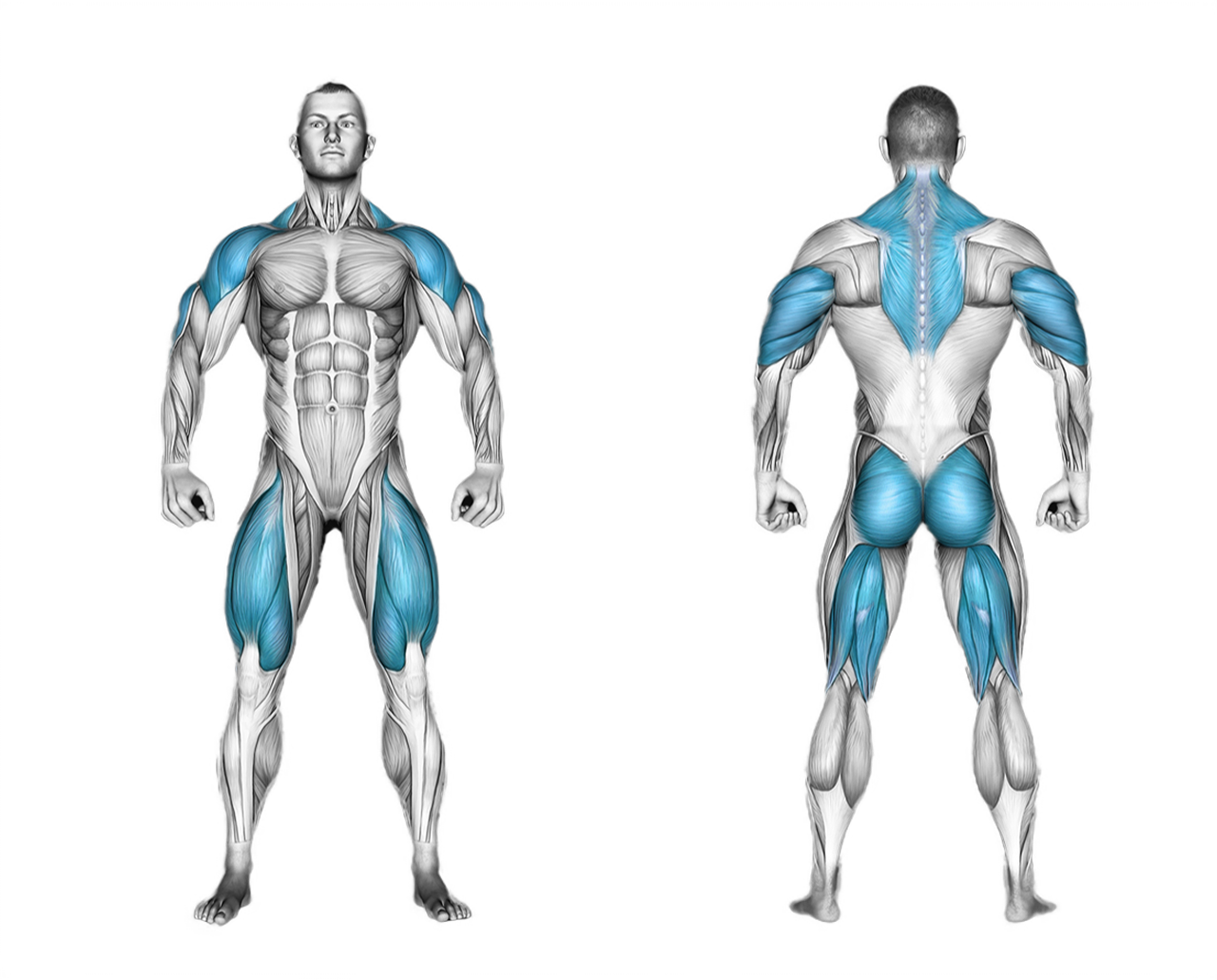
Muscles worked
Your coach guides every set
Turn on the coach in Gloox: it asks how you feel, picks the weight from your history and cues technique and rest. Rate each set and the next one is tuned to you.

On a computer? Point your phone's camera here to get the app.
Questions
Which muscles do dumbbell thrusters work most?
They primarily target the quadriceps, glutes, anterior and lateral deltoids, and triceps, with substantial isometric demand on the core and upper back.
Are dumbbell thrusters safe for people with shoulder issues?
The neutral grip of dumbbells is generally gentler on the shoulders than a barbell, but if pain occurs, stop immediately and consult a qualified specialist.