Legs · Dumbbells
Dumbbell Sumo Squat
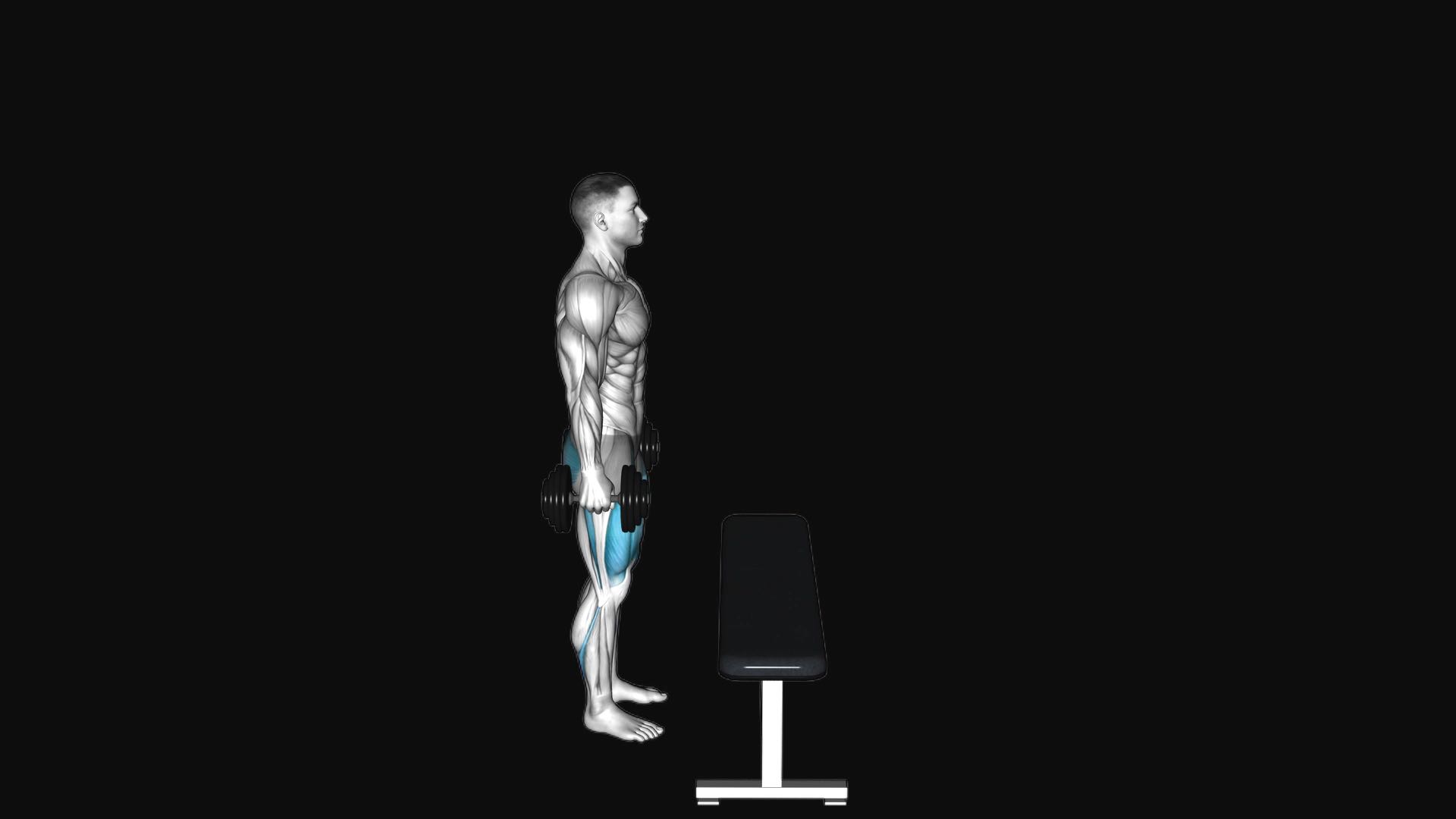
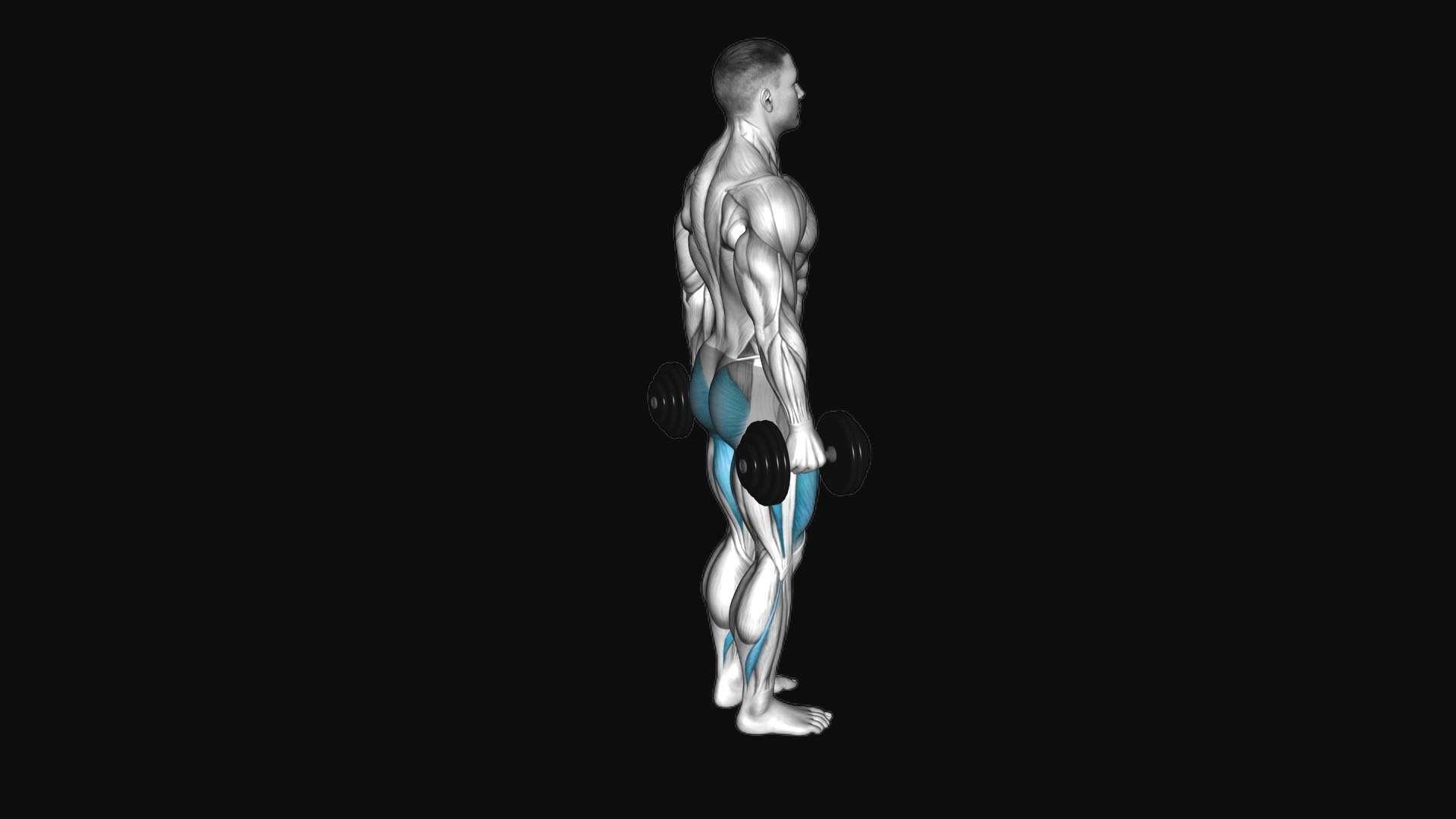
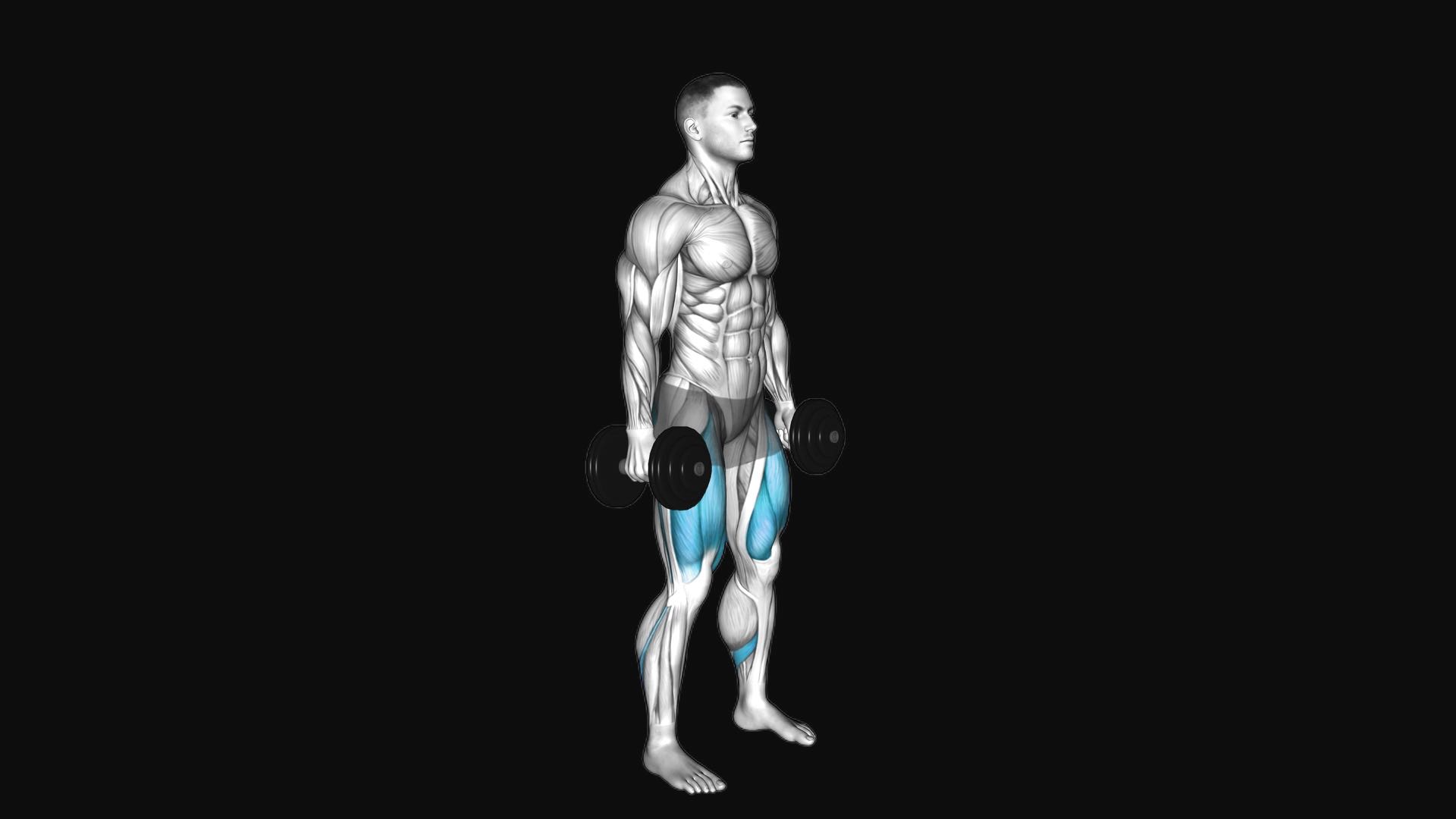
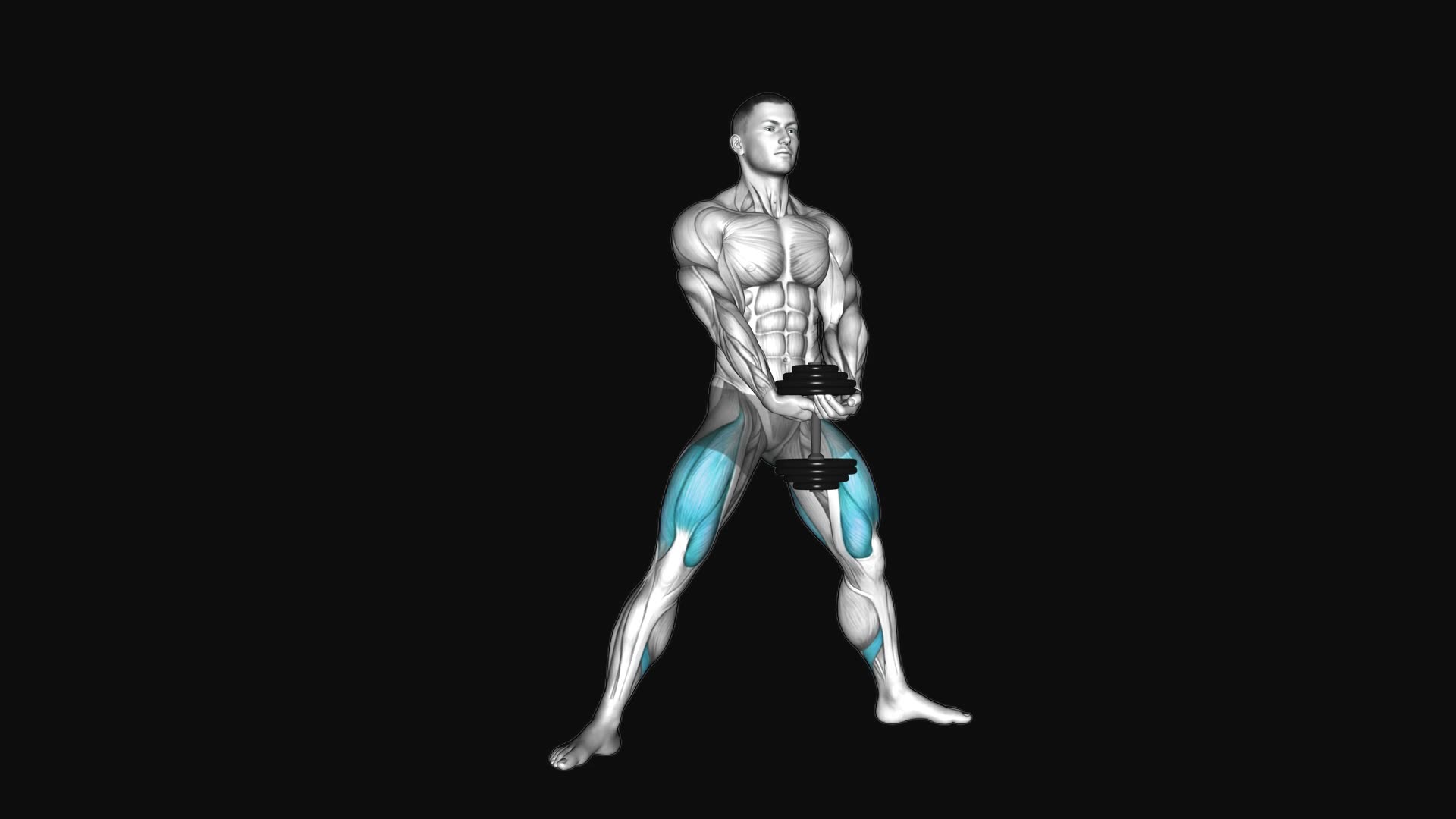
The dumbbell sumo squat is a compound lower-body exercise performed with a wide stance and flared feet. It shifts the primary training stimulus toward the inner thighs and glutes while keeping the torso more upright, making it an effective choice for any leg workout.
How to do it
- Stand with feet wider than shoulder-width, toes pointed outward at 45 degrees.
- Hold a dumbbell vertically with both hands at arm's length.
- Keep your chest up and core engaged.
- Lower your body by bending your knees and hips, keeping your knees tracking over your toes.
- Descend until your thighs are parallel to the floor.
- Push through your heels to return to standing.
Common mistakes
- Allowing the knees to cave inward during the ascent stresses the knee ligaments and reduces glute activation.
- Rounding the spine under load places excessive mechanical stress on the lower back.
- Cutting the depth short prevents the adductors and gluteal muscles from achieving a full stretch and optimal engagement.
- Lifting the heels off the floor shifts weight to the forefoot and overloads the patellar tendons.
Tips
- Stand on two aerobic steps or weight plates if you need extra floor clearance for the dumbbell to achieve full depth.
- Track your knees actively in the exact direction of your toes throughout the entire movement.
- Keep a soft bend in your knees at the lockout to maintain continuous muscular tension.
Sets and reps
Perform 3 to 4 sets of 8 to 15 reps, resting 60 to 90 seconds between sets to build strength and muscle.
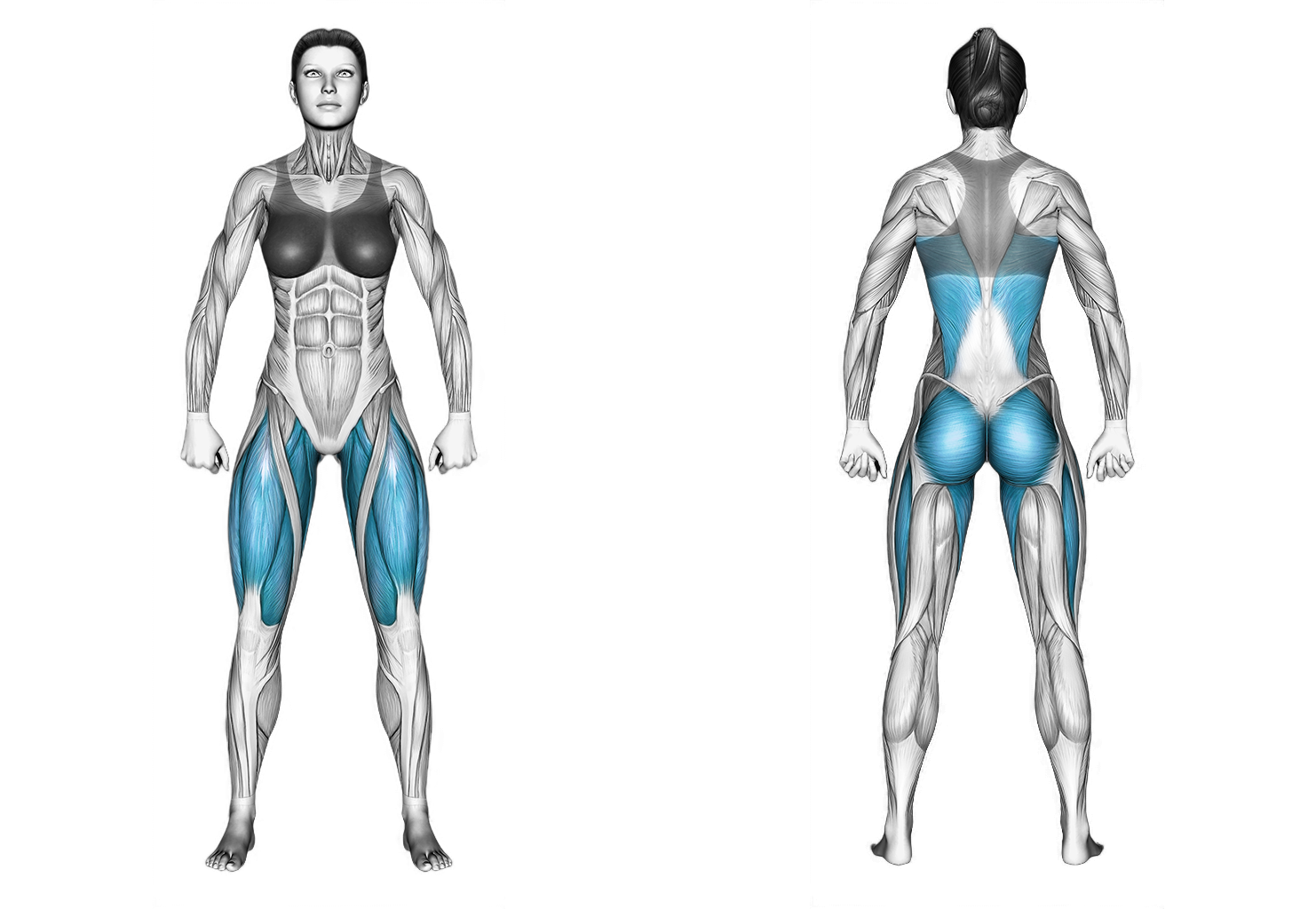
Muscles worked
Your coach guides every set
Turn on the coach in Gloox: it asks how you feel, picks the weight from your history and cues technique and rest. Rate each set and the next one is tuned to you.

On a computer? Point your phone's camera here to get the app.
Questions
What muscles do dumbbell sumo squats work the most?
The exercise focuses heavily on the hip adductors and glutes, with secondary assistance from the quadriceps and core stabilizers.
Is the dumbbell sumo squat safer for the lower back than a barbell back squat?
Holding the weight between the legs allows a more vertical spine, reducing compressive forces on the lower back; if pain occurs, stop immediately and consult a professional.