Legs · Barbell
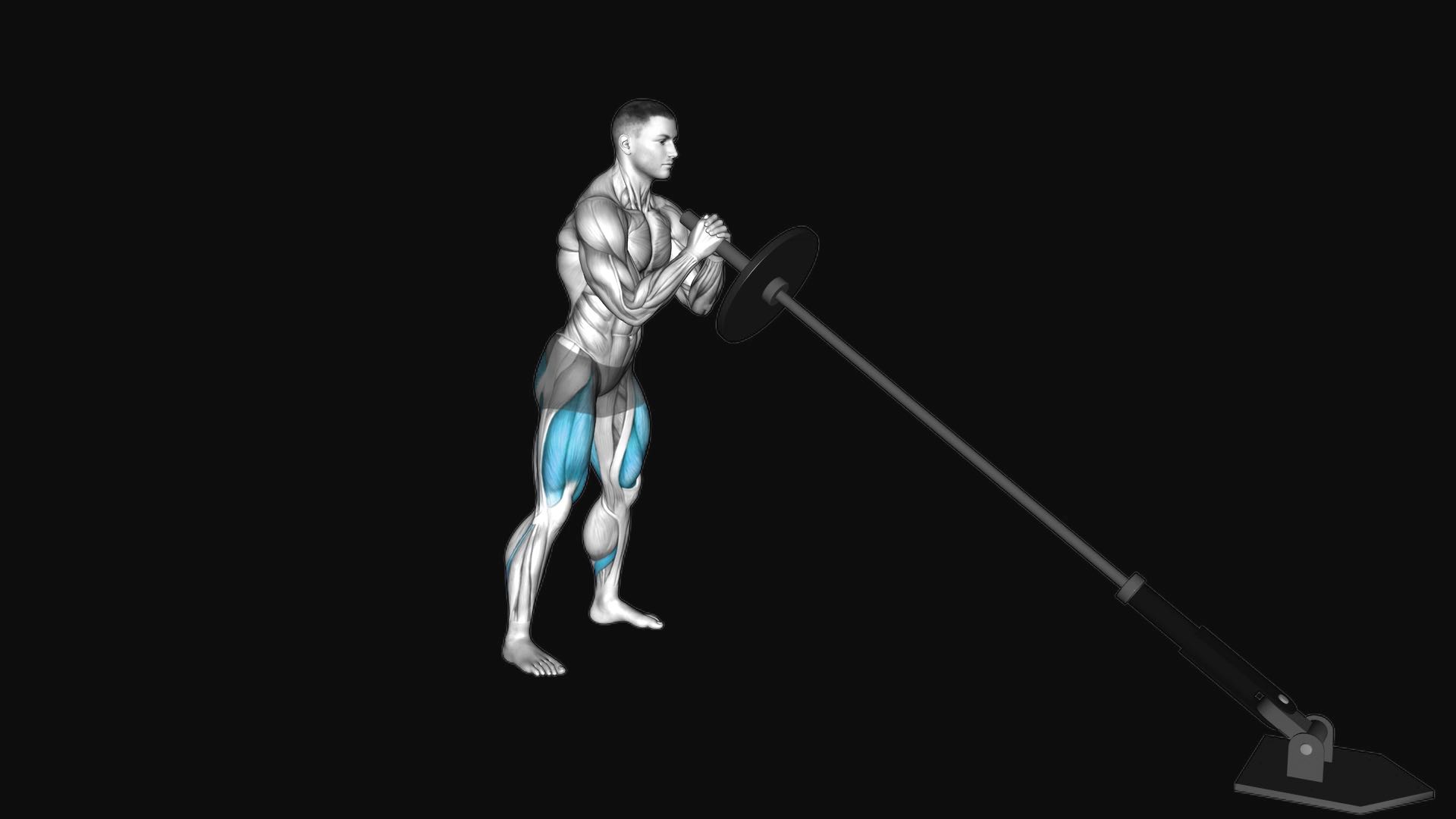
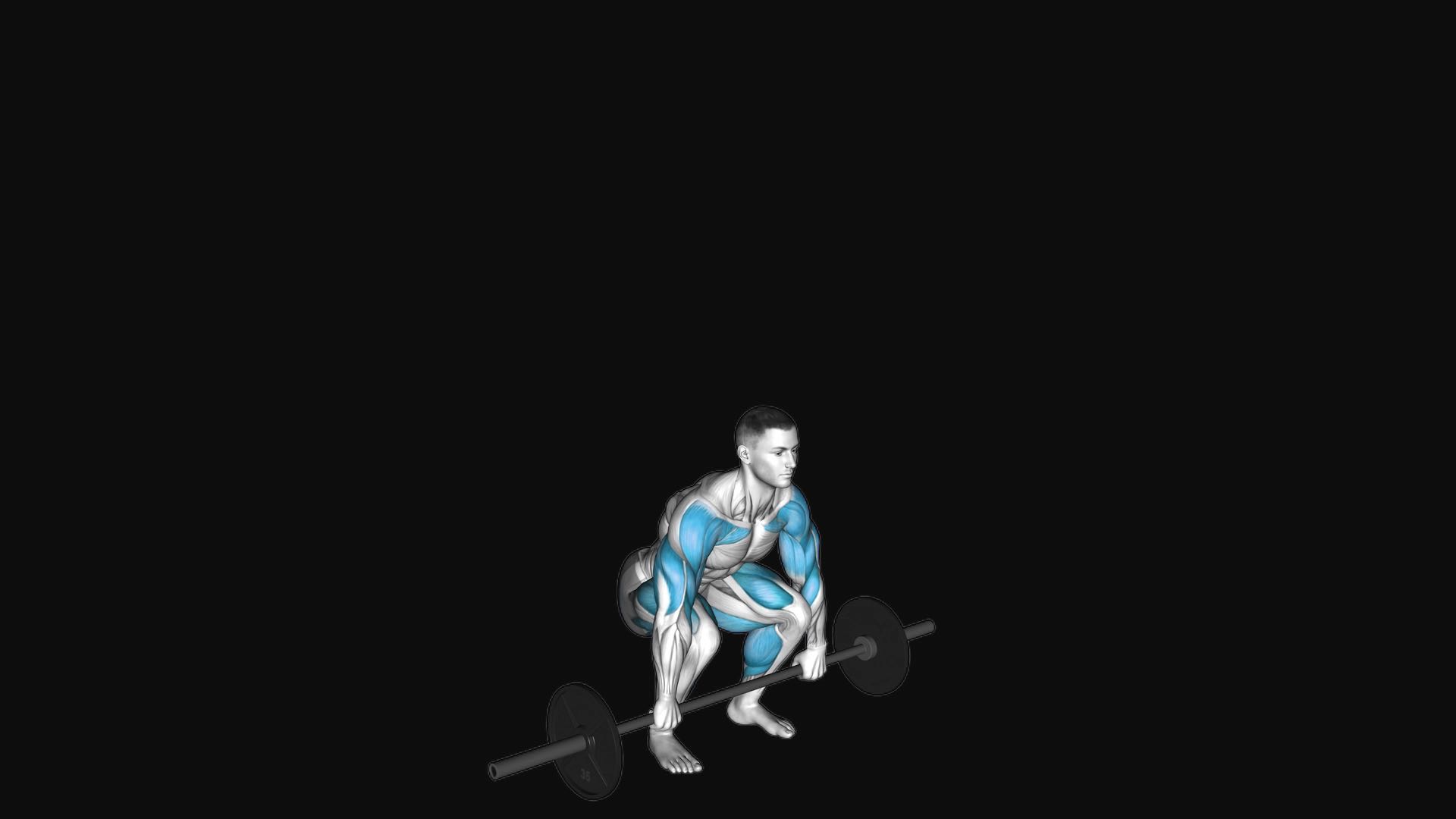
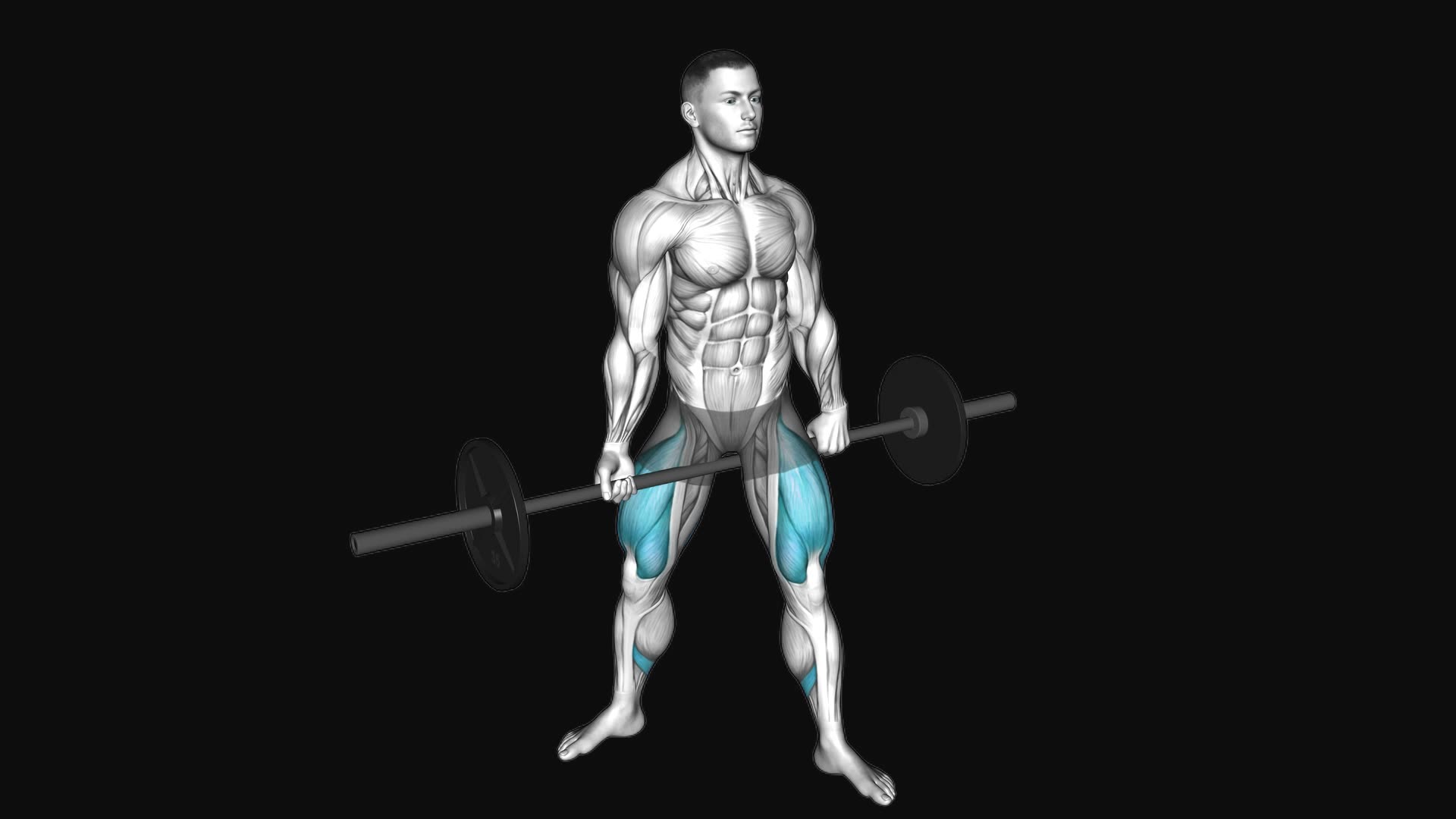
Barbell Lunge
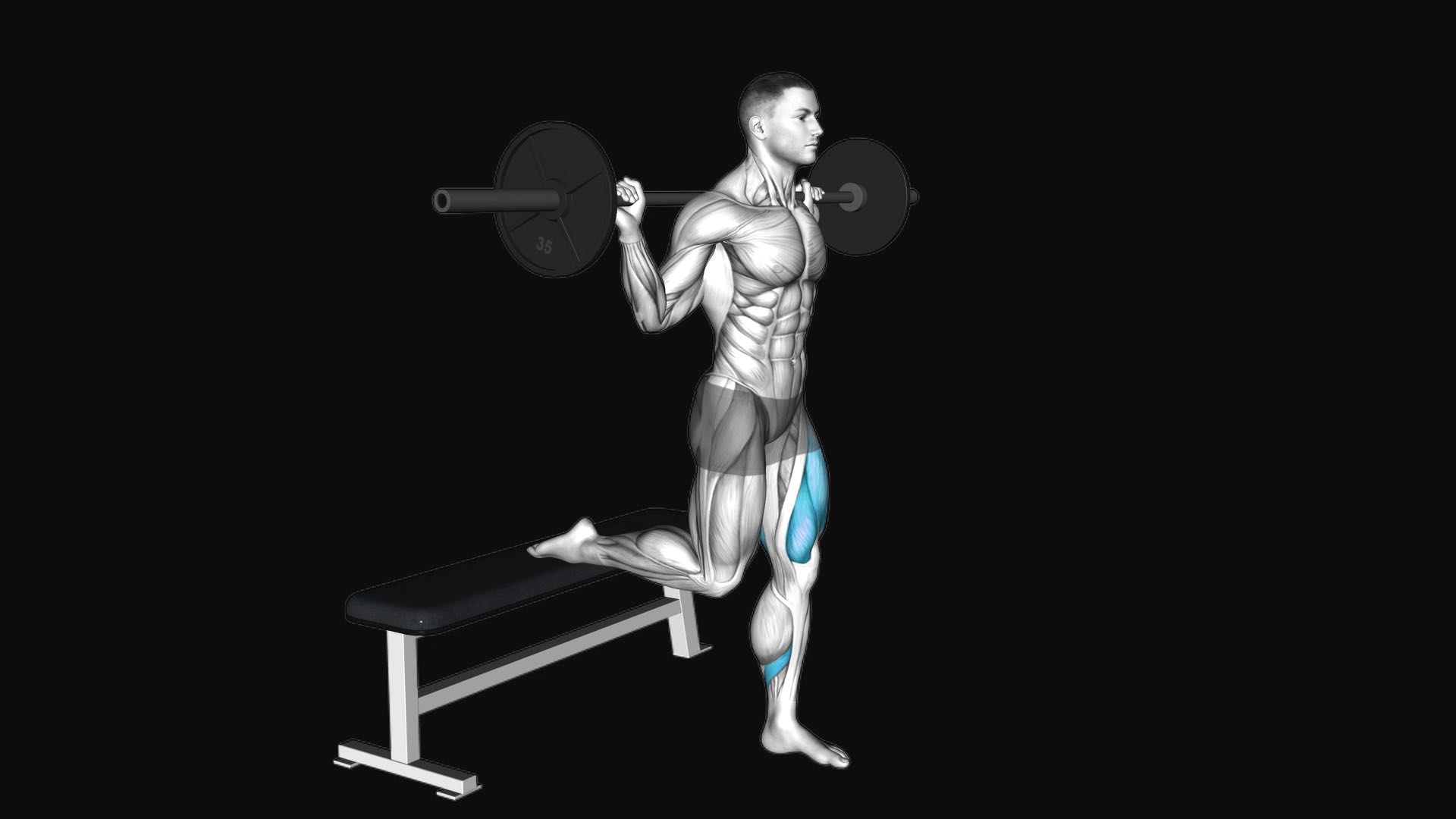
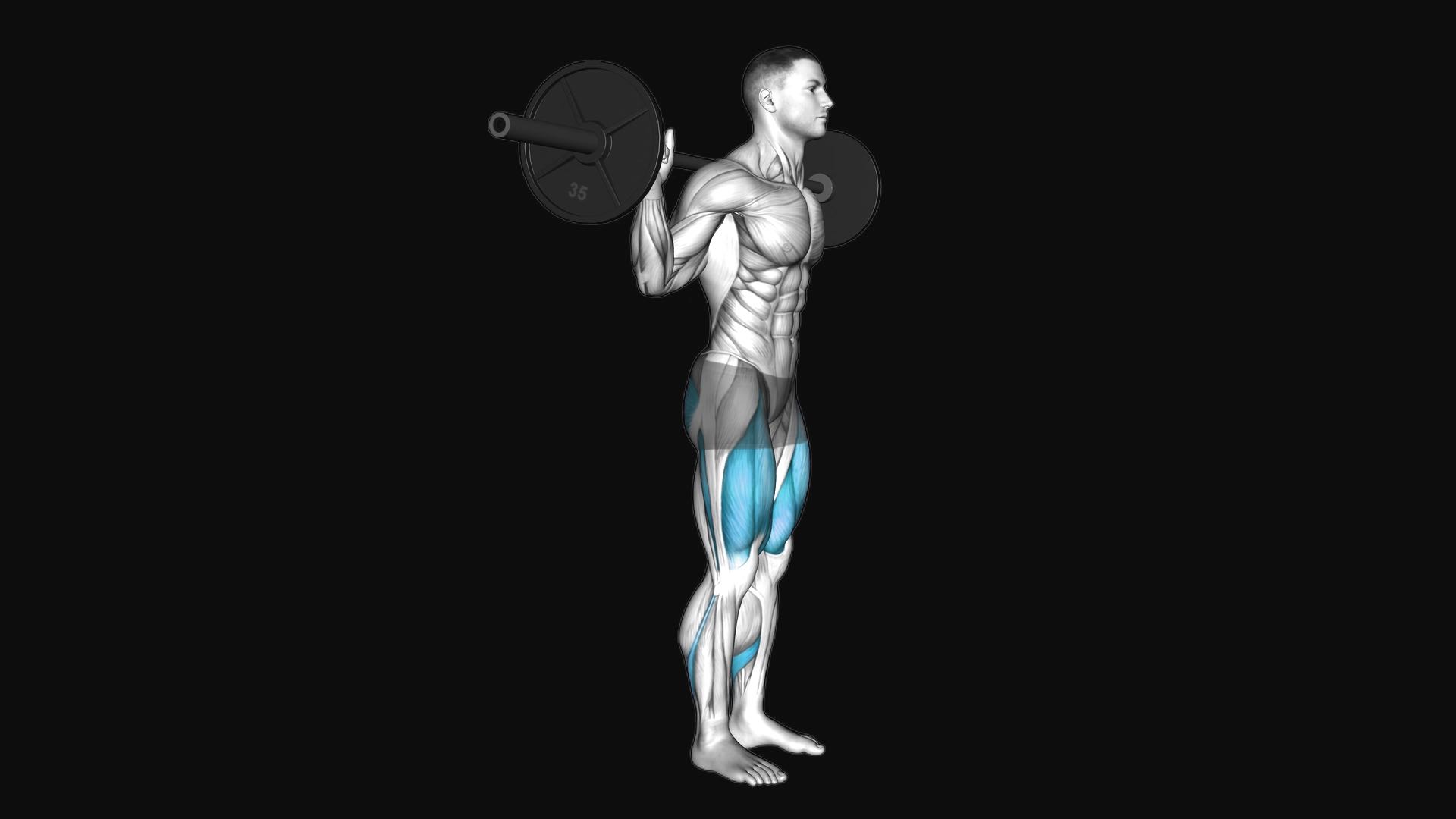
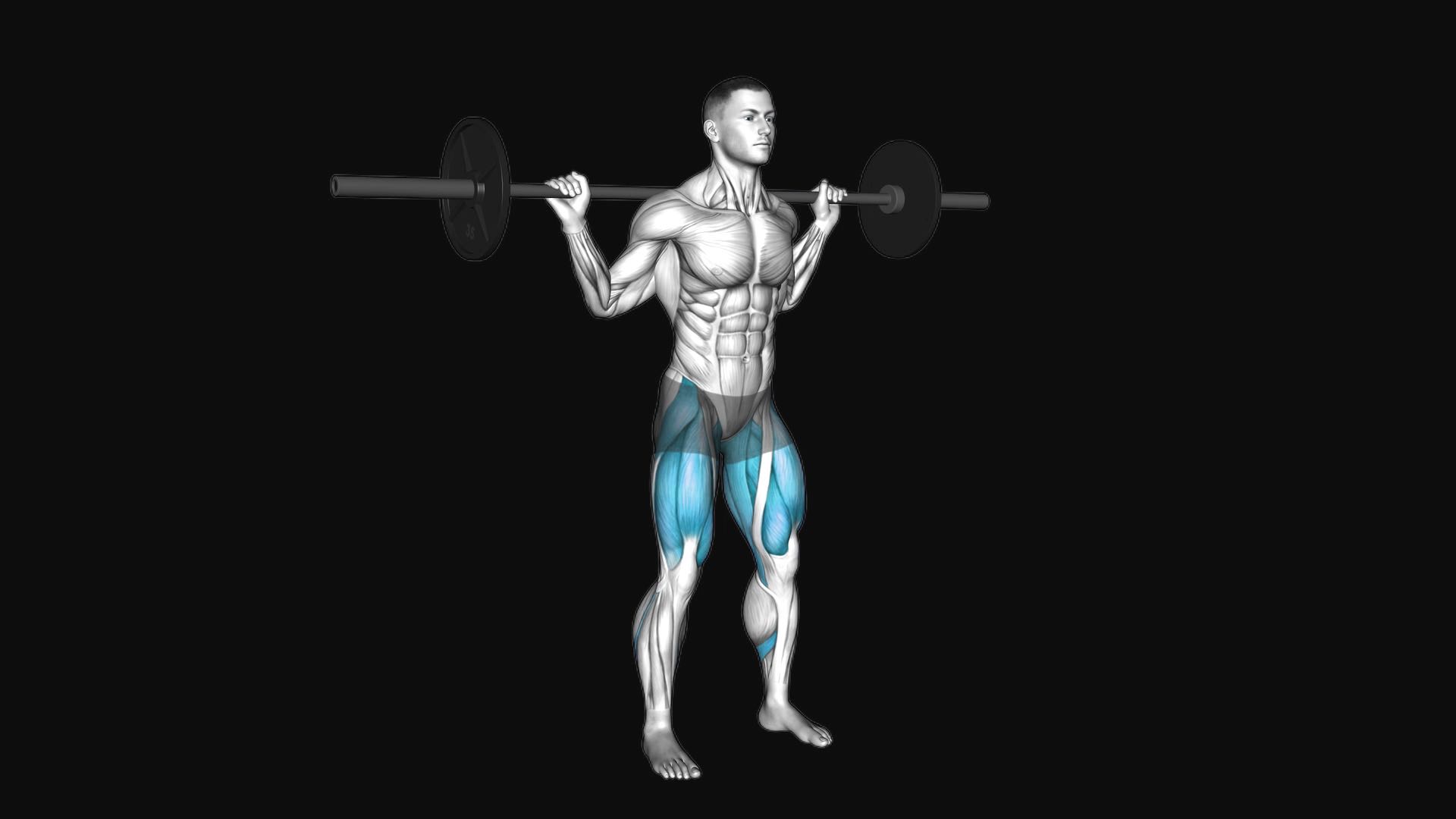
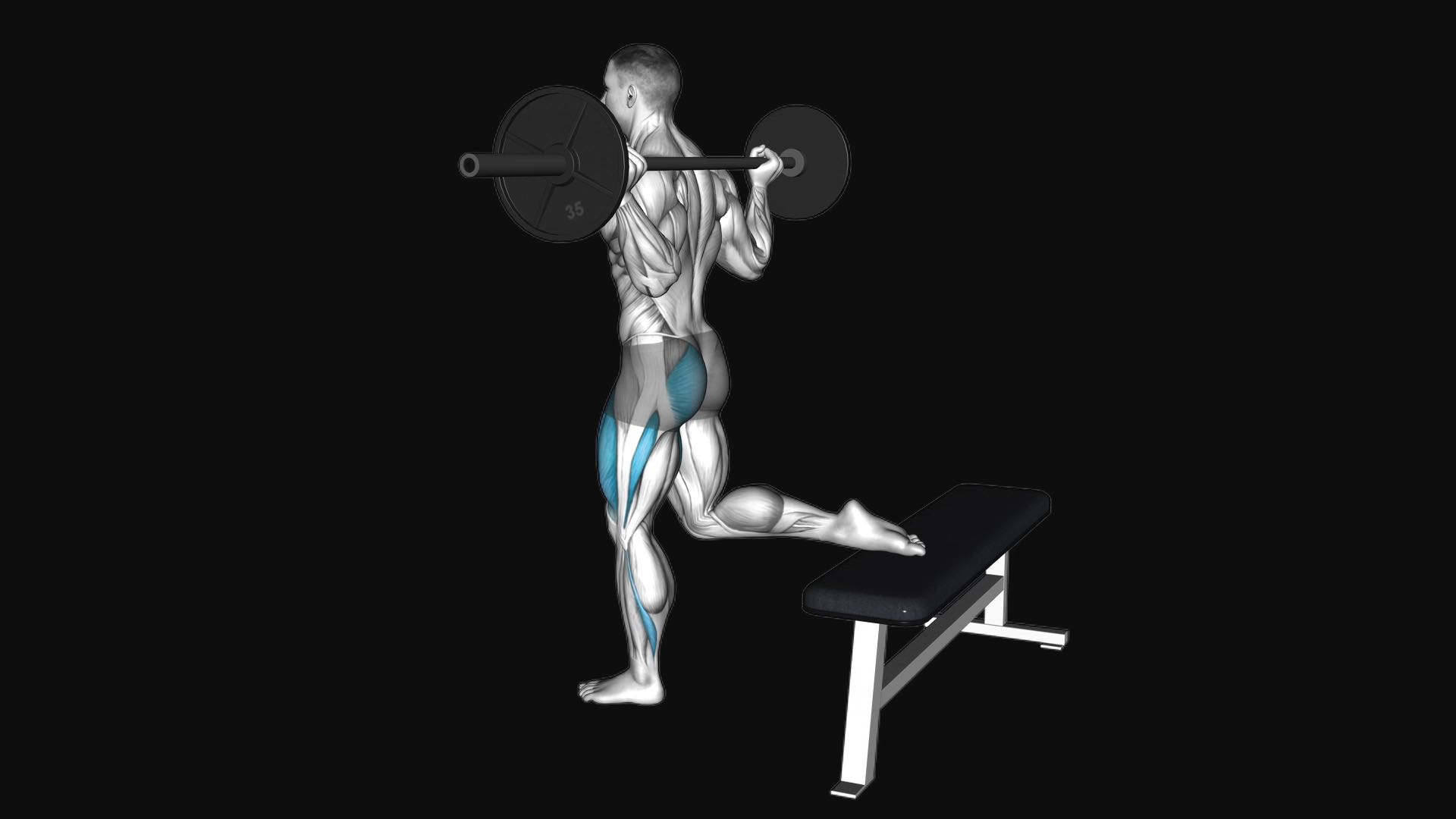
The barbell lunge is a compound unilateral exercise designed to build strength and mass in the quadriceps, glutes, and hamstrings. It is suited for intermediate to advanced lifters looking to correct strength imbalances and fits well as a secondary leg movement after heavy bilateral squats.
How to do it
- Stand with your feet hip-width apart and place a barbell across your upper back, gripping it with hands wider than shoulder-width.
- Step forward with one leg, keeping your torso upright and your core engaged.
- Lower your body until your front thigh is parallel to the floor and your back knee nearly touches the ground. Ensure your front knee does not go past your toes.
- Inhale as you lower down and exhale as you push back up to the starting position, driving through the heel of your front foot.
Common mistakes
- Allowing the front knee to cave inward, which places hazardous rotational stress on the knee ligaments.
- Leaning the torso excessively forward, shifting the load away from the legs and onto the lower back.
- Taking too short a step, which forces the front heel off the floor and overloads the patellar tendon.
- Slamming the back knee directly into the floor, risking acute joint bruising or injury.
Tips
- Unrack the barbell from a squat stand at chest height instead of cleaning it from the floor.
- Keep your eyes fixed on a stationary point ahead to maintain balance and spine alignment.
- Lower your body under strict control rather than relying on momentum or a bounce at the bottom.
Sets and reps
For muscle growth and unilateral strength, perform 3 to 4 sets of 8 to 12 repetitions per leg. Rest 90 to 120 seconds between sets to allow full systemic recovery.
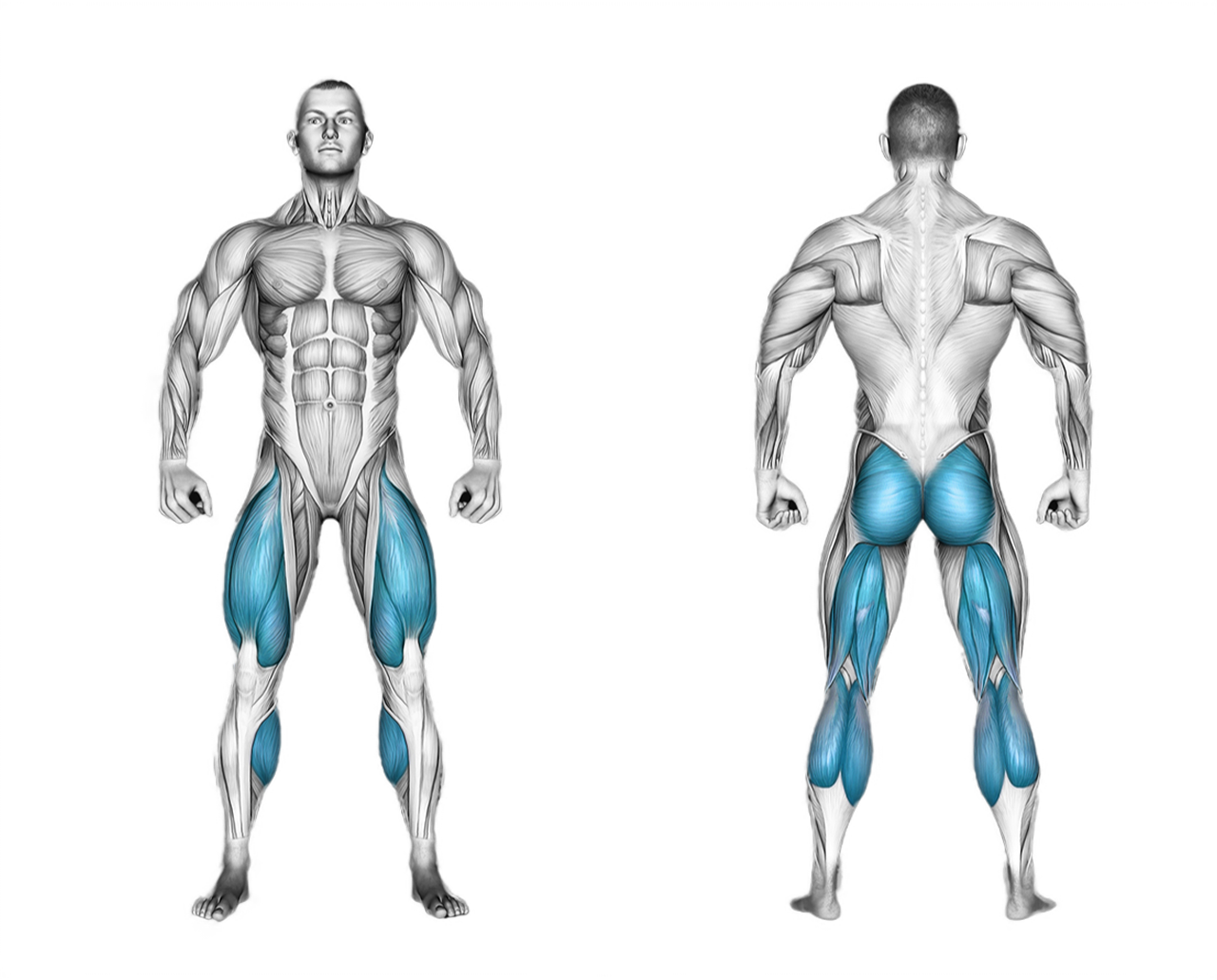
Muscles worked
Your coach guides every set
Turn on the coach in Gloox: it asks how you feel, picks the weight from your history and cues technique and rest. Rate each set and the next one is tuned to you.

On a computer? Point your phone's camera here to get the app.
Questions
Is the barbell lunge better than the dumbbell lunge?
Neither is universally better, but the barbell places the weight higher on your frame, demanding greater core stability while dumbbells offer an easier-to-manage center of gravity.
What should you do if your knees hurt during barbell lunges?
Stop the movement immediately and check your stride length, and if knee pain continues to persist, consult a sports physician or physical therapist.