Legs · Barbell
Barbell Rear Lunge
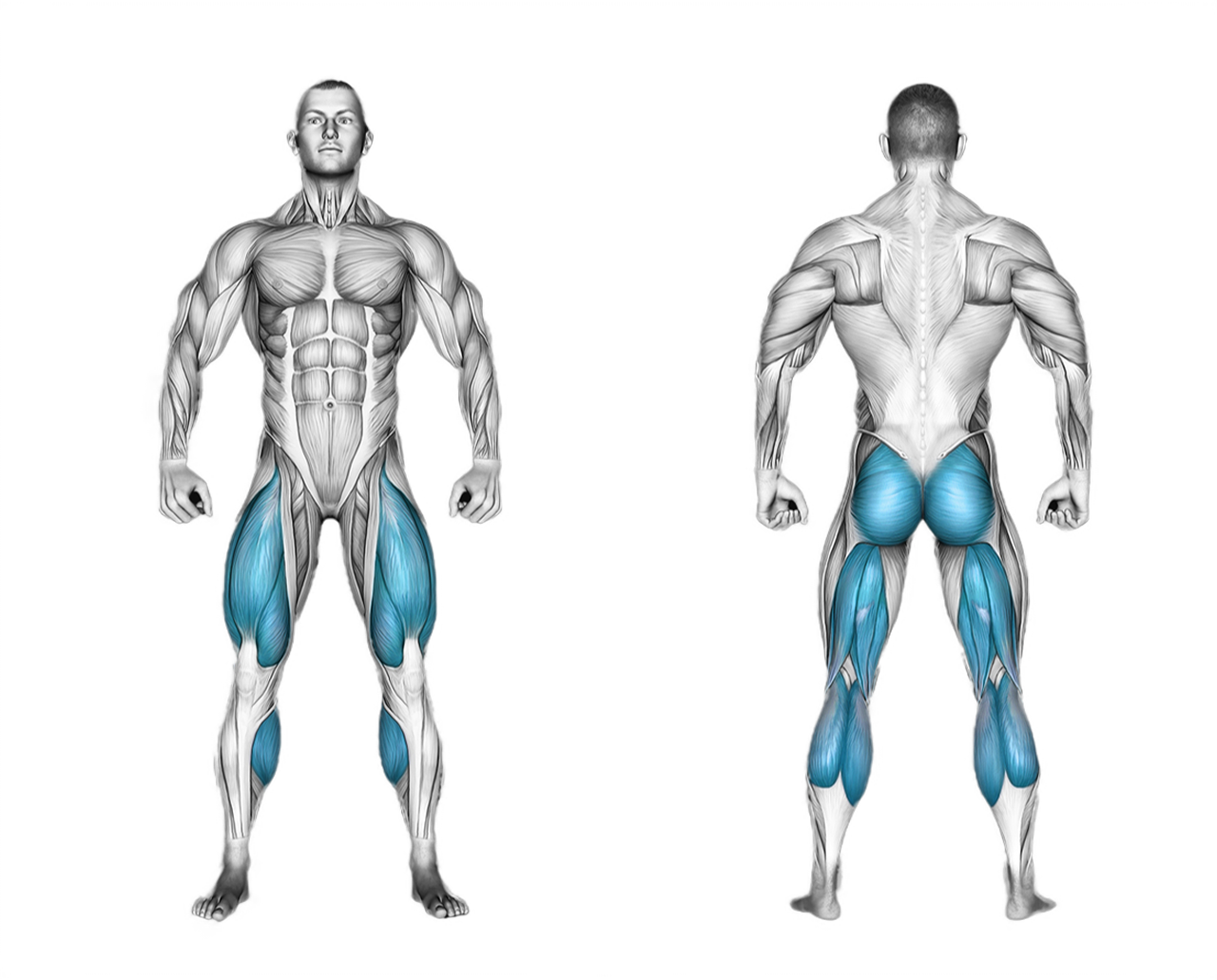
The barbell rear lunge is a compound unilateral exercise that primarily builds the quadriceps, glutes, and hamstrings while challenging core stability. It is well suited for intermediate and advanced lifters as an assistance movement after heavy bilateral squats or deadlifts.
How to do it
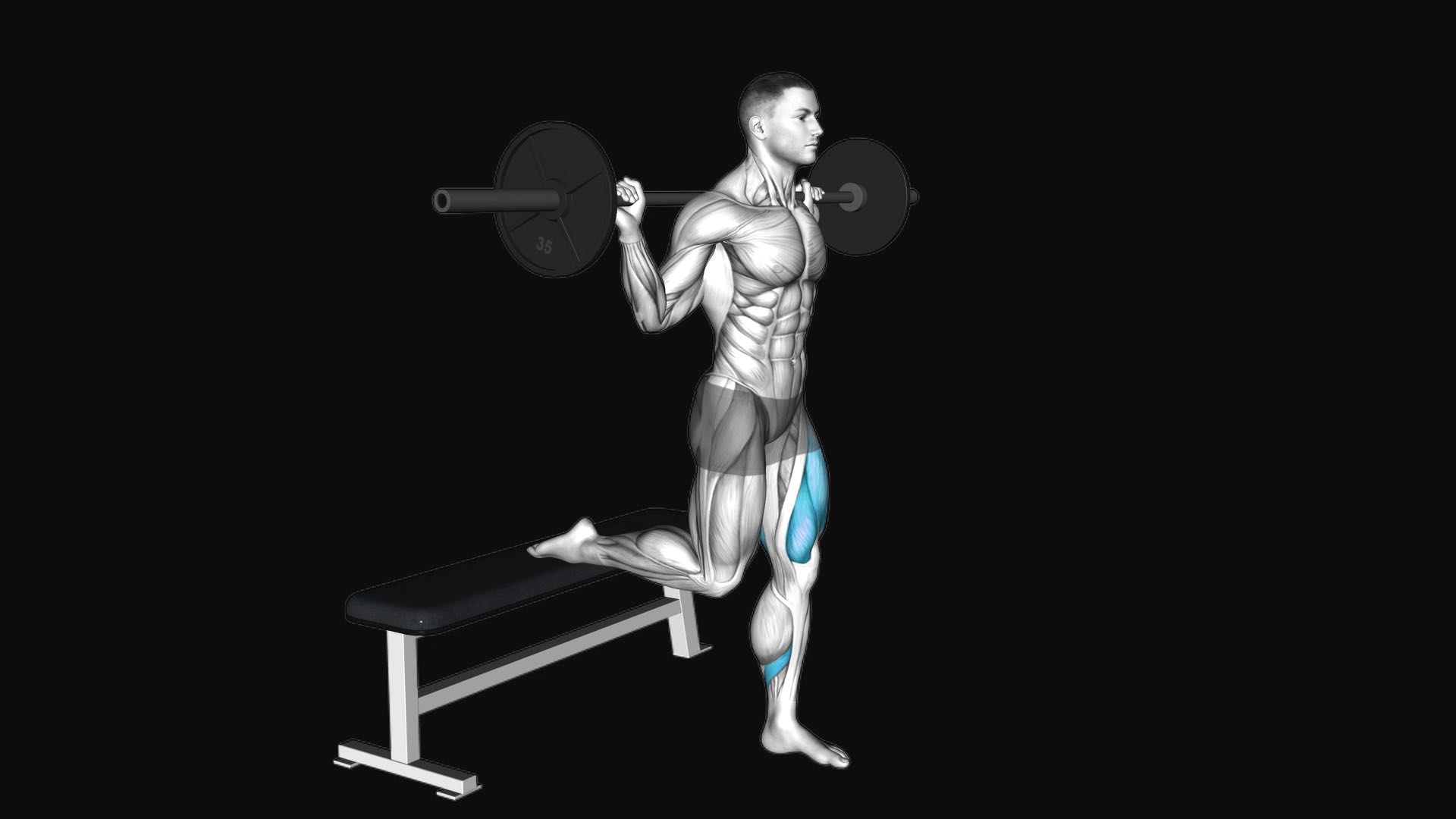
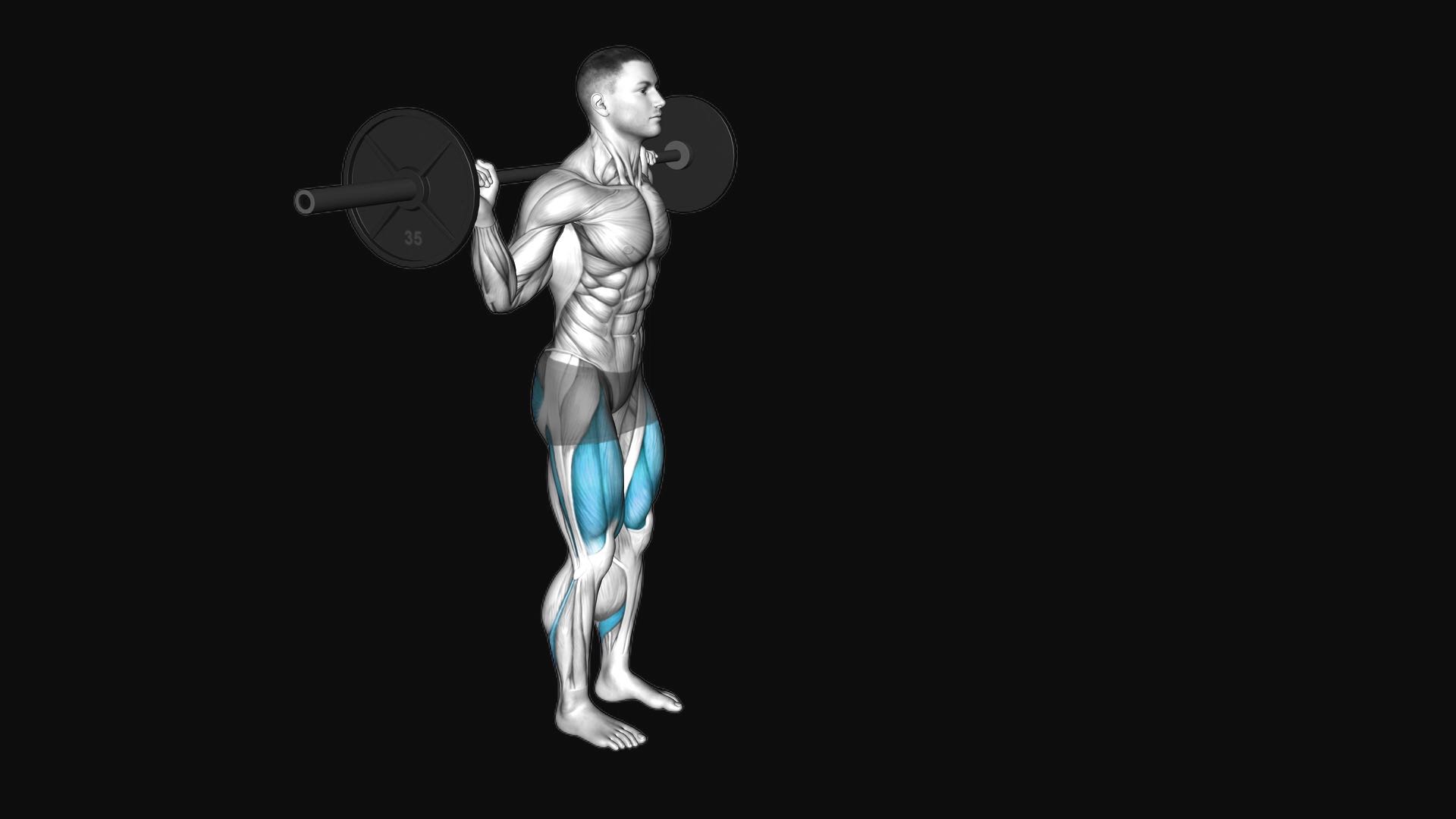
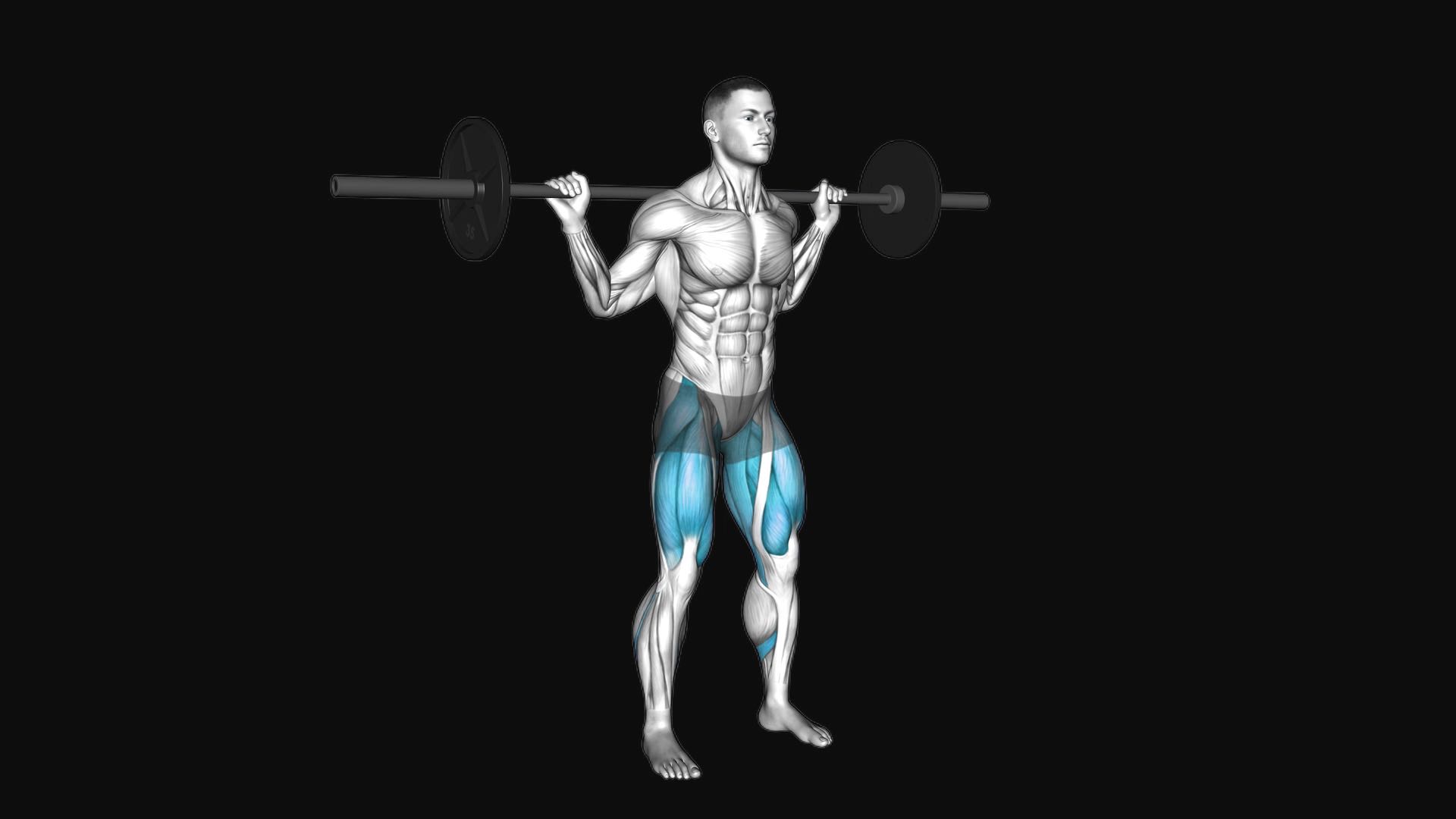
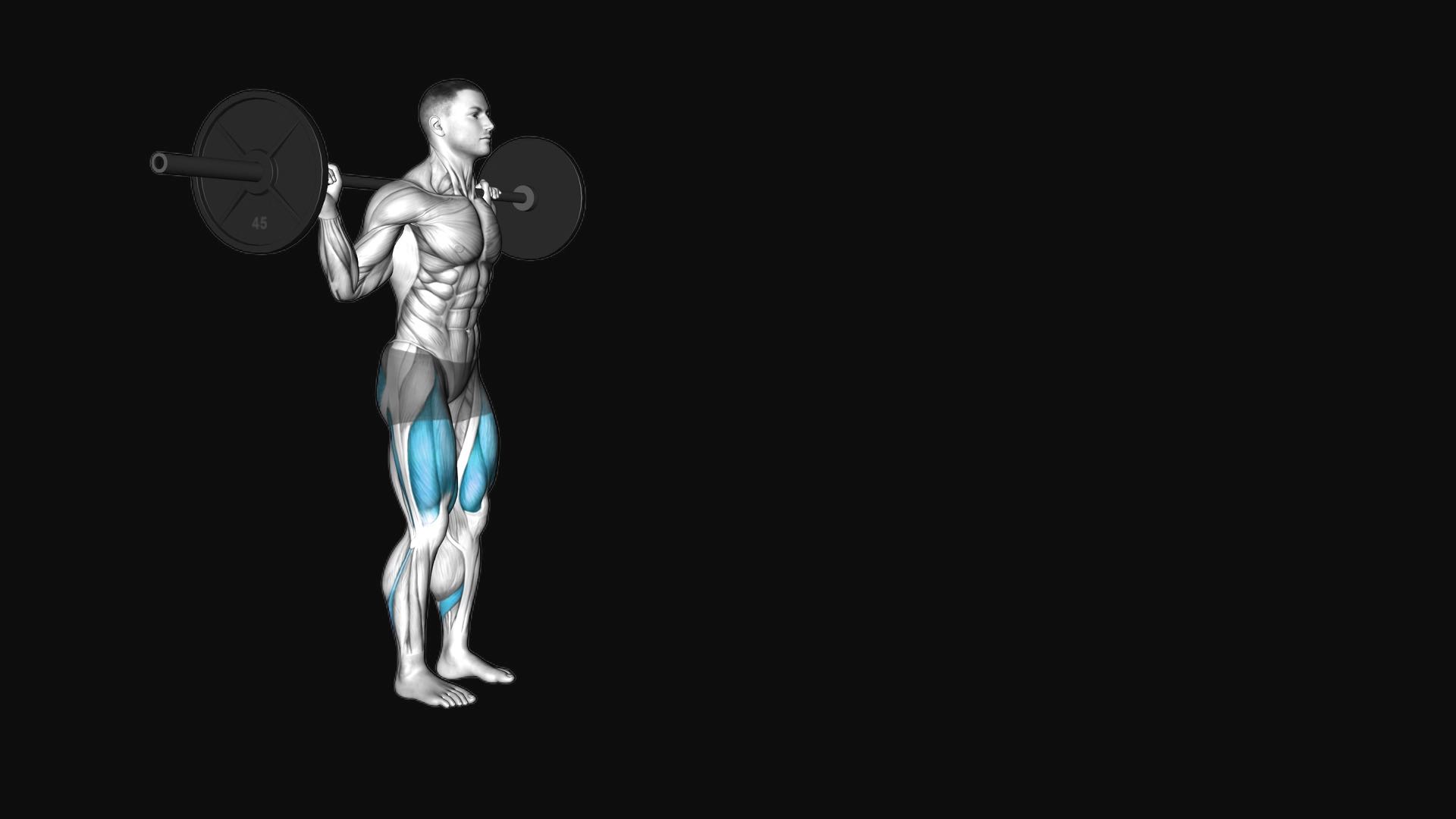
- Stand with your feet hip-width apart, and place a barbell across your upper back, gripping it with hands wider than shoulder-width.
- Keep your torso upright and core engaged.
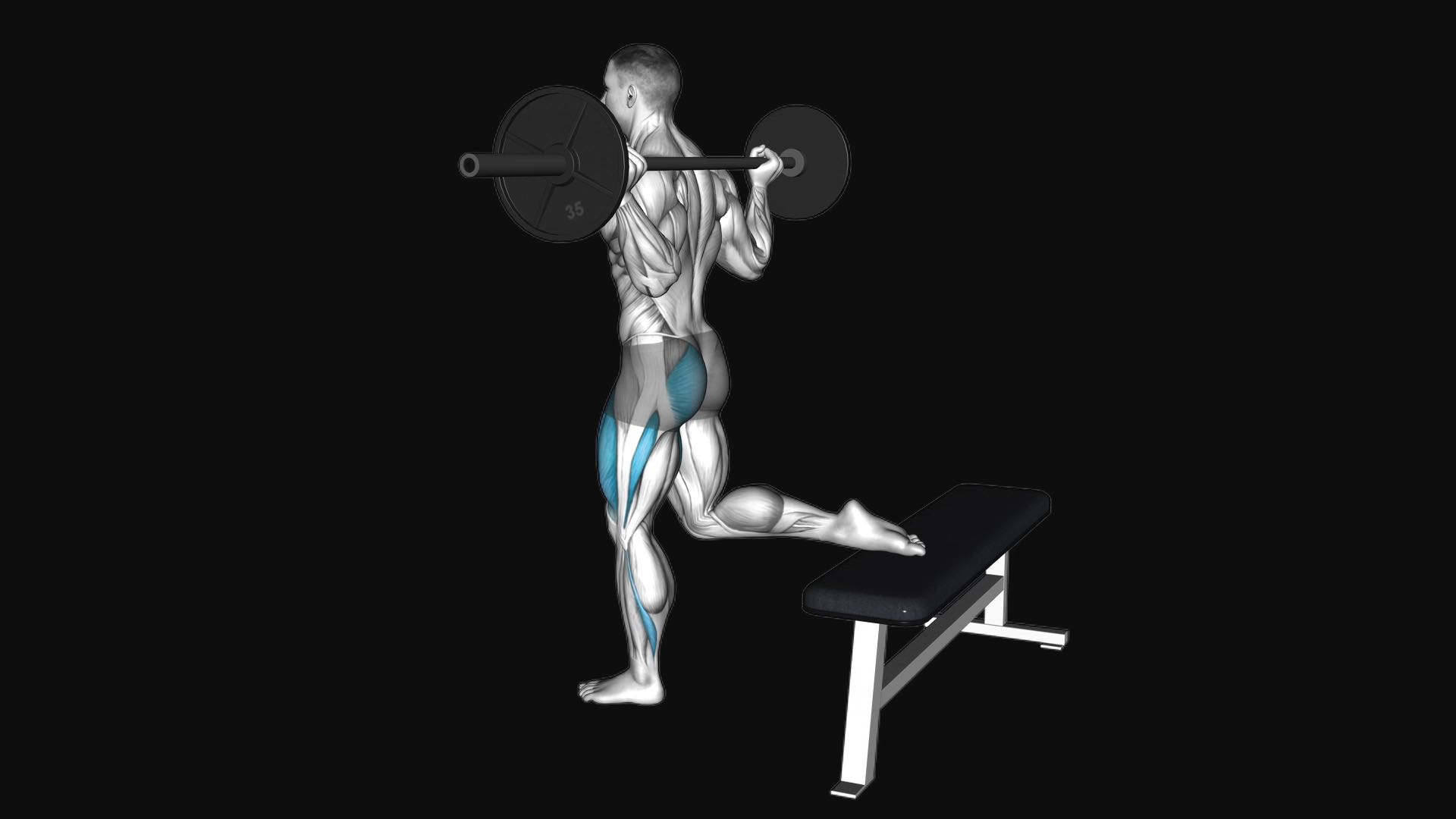
- Step back with one leg, lowering your hips until your front thigh is parallel to the floor and your rear knee nearly touches the ground. Ensure your front knee does not extend beyond your toes.
- The back foot should be on its toes with the heel off the ground.
- Inhale as you step back, and exhale as you return to the starting position, driving through the heel of your front foot.
Common mistakes
- Taking too short of a backward step places excessive shearing stress on the front knee and limits hip involvement.
- Slamming the rear knee into the floor increases impact trauma to the patella and surrounding connective tissue.
- Allowing the lead knee to cave inward during the ascent destabilizes the joint and stresses the ligaments.
- Rounding the spine under the barbell compromises lower back neutrality and reduces power transfer through the hips.
Tips
- Keep the bar pulled tightly across your upper back and brace your core before initiating every step.
- Step back along hip-width parallel tracks rather than a straight line to maintain lateral balance.
- Drive firmly through the heel and midfoot of your lead leg to return to the standing position.
Sets and reps
Perform 3 to 4 sets of 8 to 12 repetitions per leg with 90 to 120 seconds of rest between sets for hypertrophy and unilateral strength.
Muscles worked
Your coach guides every set
Turn on the coach in Gloox: it asks how you feel, picks the weight from your history and cues technique and rest. Rate each set and the next one is tuned to you.

On a computer? Point your phone's camera here to get the app.
Questions
Why choose reverse lunges over forward lunges with a barbell?
Stepping backward keeps the lead shin more vertical, which significantly reduces patellar shear stress and makes balance under a heavy bar easier to manage.
What should you do if this exercise causes knee or lower back pain?
Stop the movement immediately and consult a qualified healthcare professional to evaluate your joint health and mechanics.