Legs · Barbell
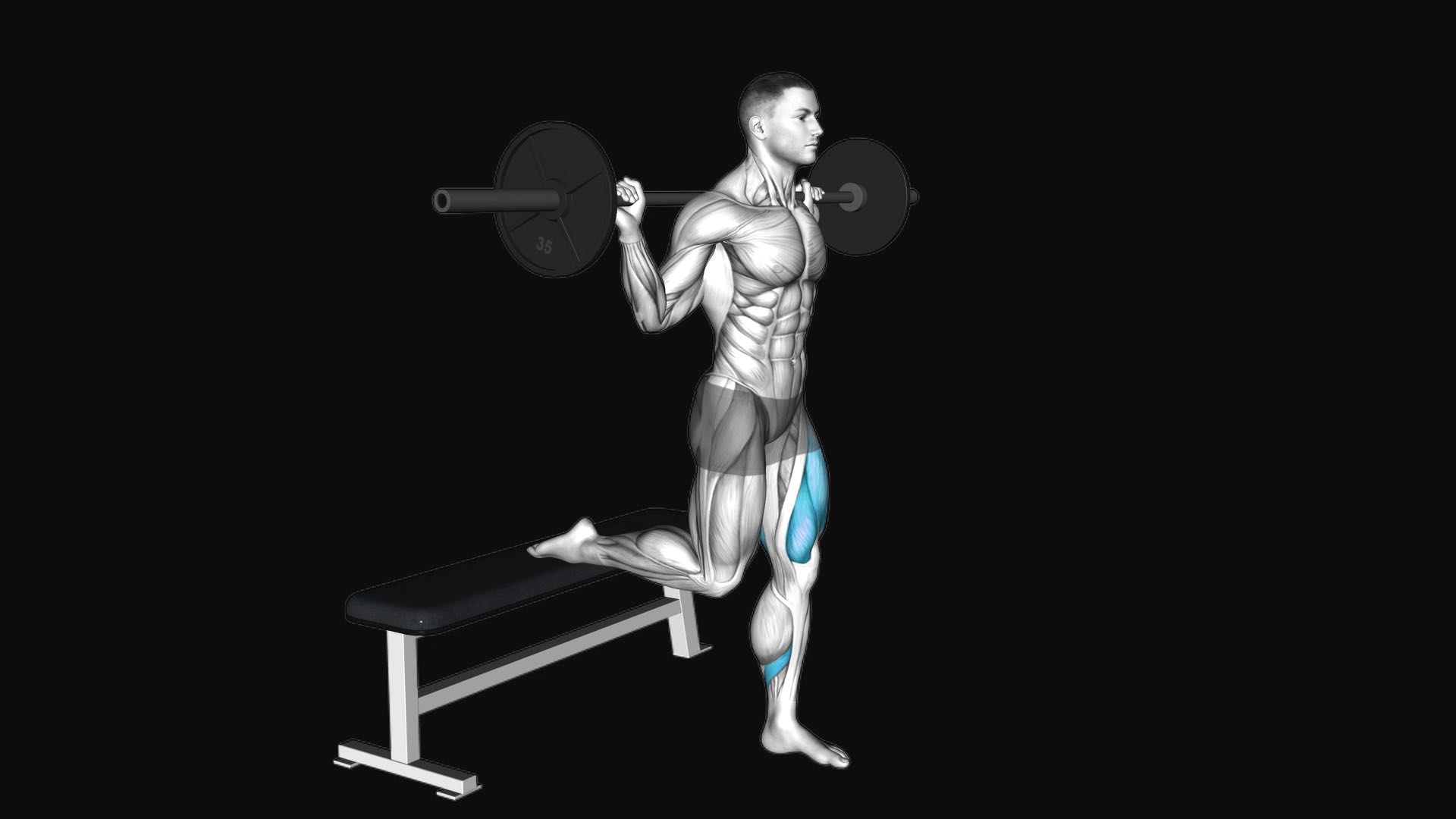
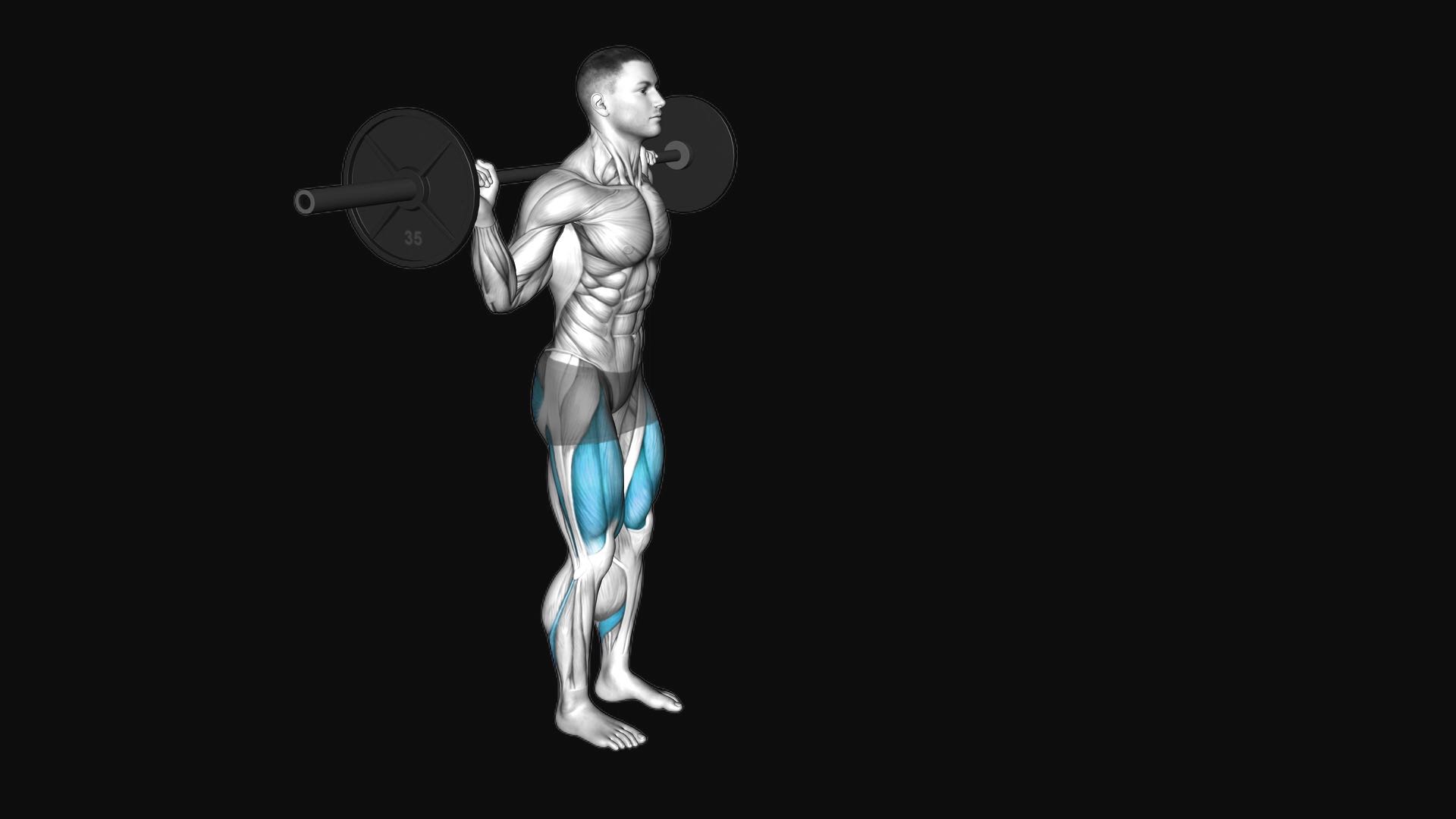
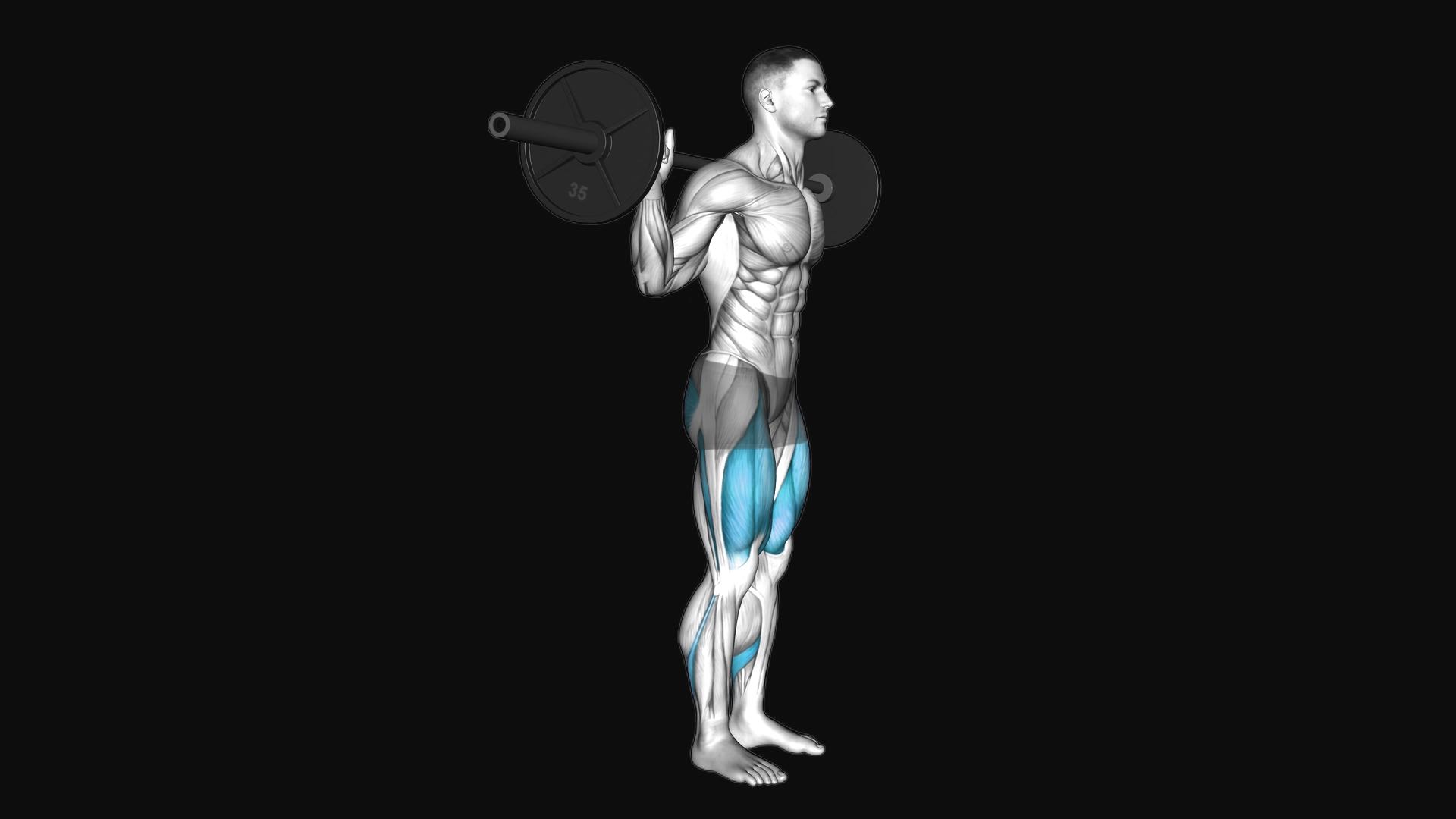
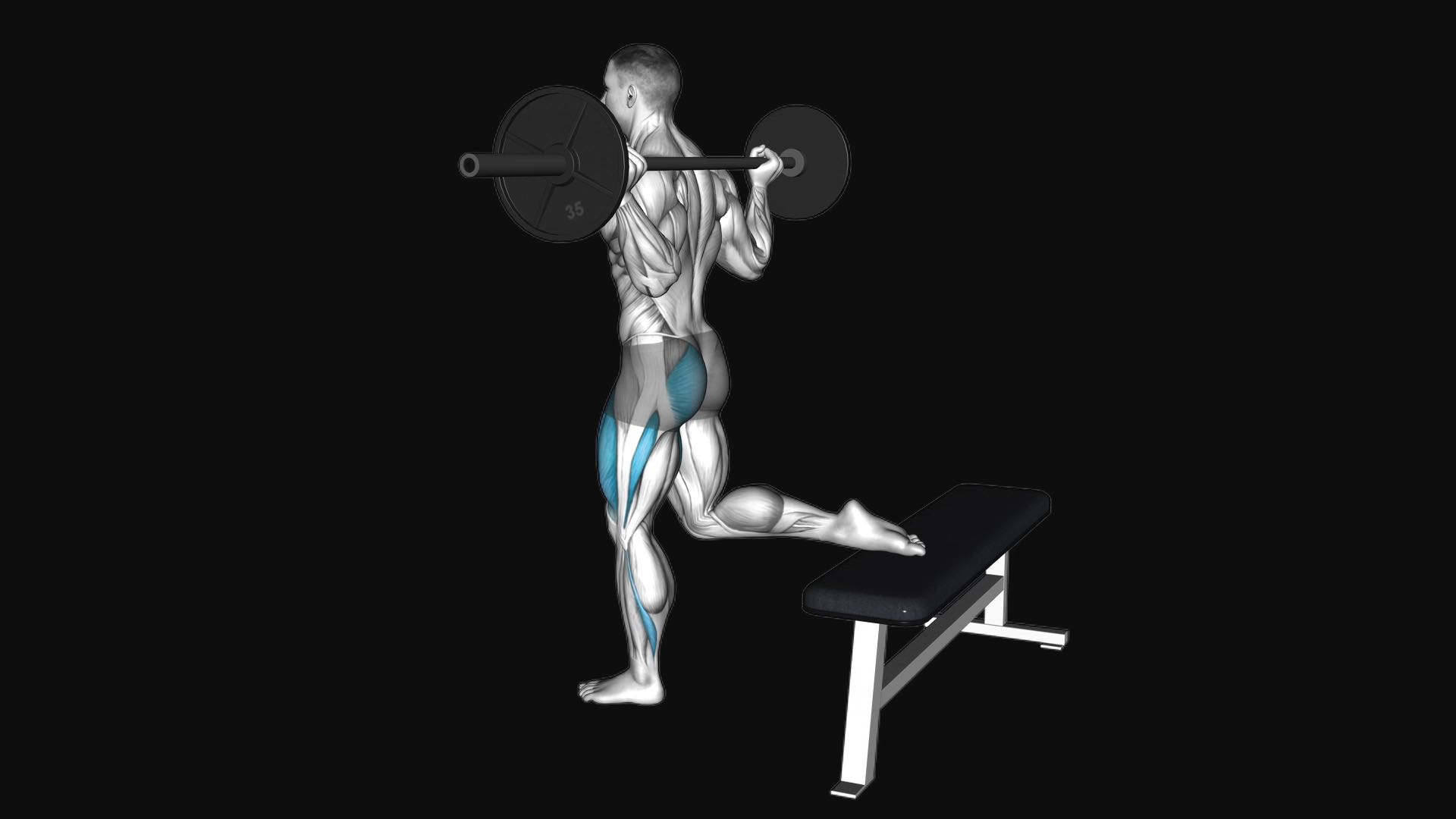
Barbell Olympic Squat
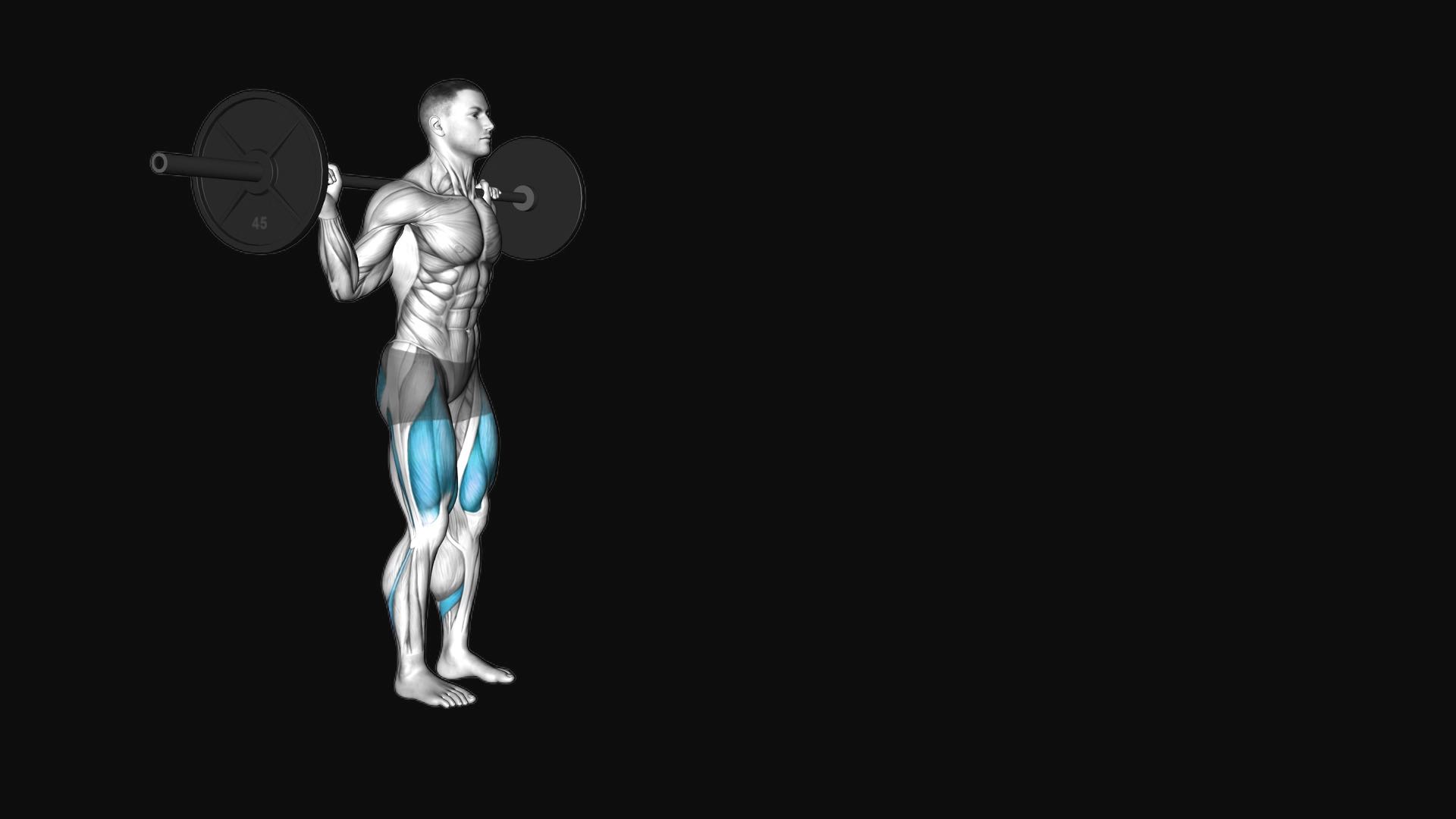
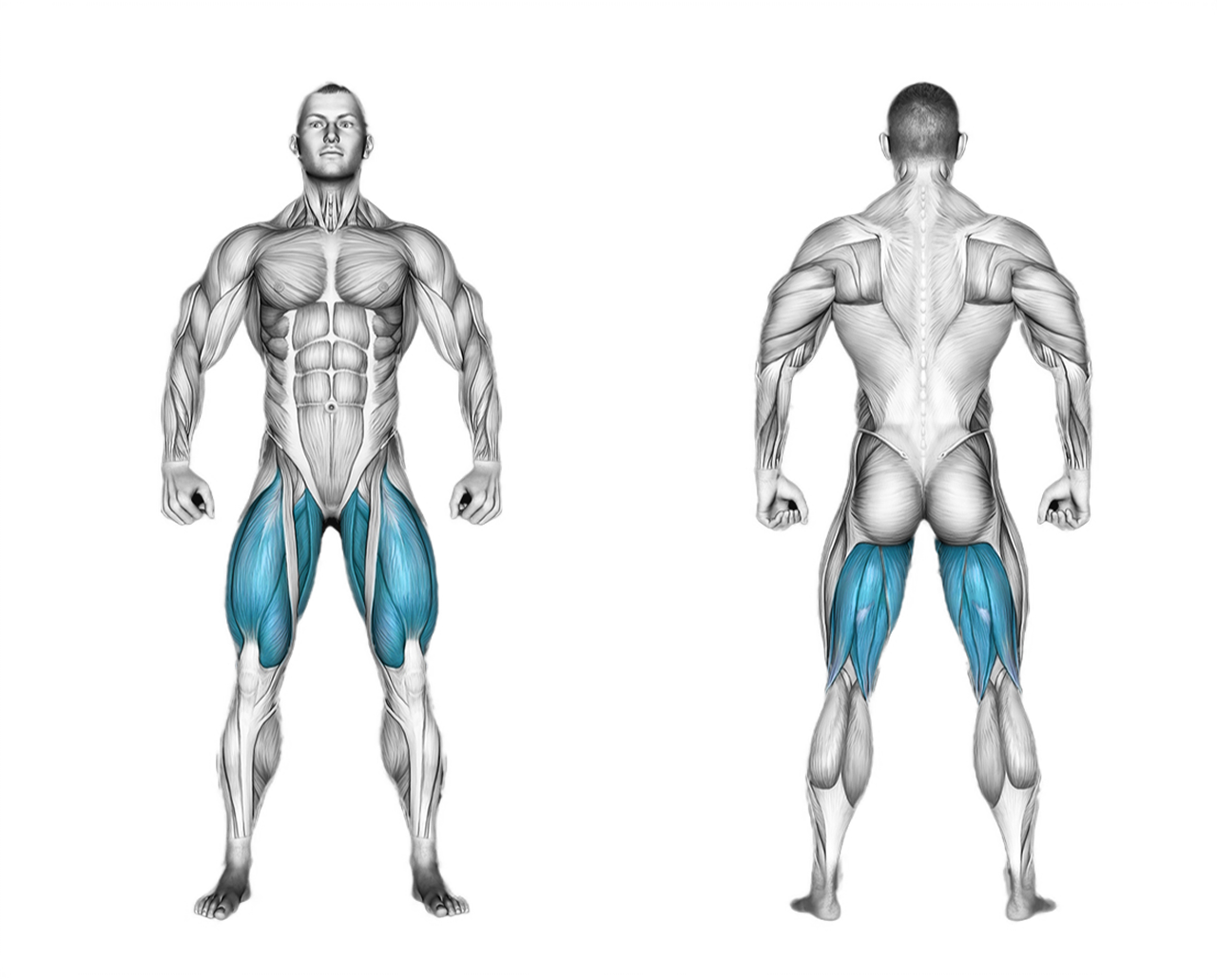
The barbell Olympic squat is a high-bar, full-depth squat variation performed with an upright torso to maximize knee flexion. It primarily targets the quadriceps and glutes, serving as a primary compound movement for lower-body strength and athletic development.
How to do it
- Stand with your feet slightly wider than shoulder-width apart, toes pointing slightly outward.
- Rest the barbell on your upper back, just below the neck, gripping it with hands wider than shoulder-width.
- Keep your back straight, chest up, and core braced.
- Inhale deeply. As you exhale, bend your knees and hips to lower your body, as if sitting back into a chair.
- Lower yourself until your thighs are at least parallel to the floor, or go deeper if your flexibility allows.
- Keep your knees in line with your toes and your chest up throughout the movement.
- Drive through your heels to return to the starting position, exhaling as you rise.
- Keep your movements controlled and steady throughout the squat.
Common mistakes
- Letting the torso collapse forward shifts tension away from the quadriceps onto the lower back.
- Lifting the heels off the floor at the bottom of the squat places excessive shear stress on the knee joints.
- Allowing the knees to cave inward during the ascent destabilizes the joint and reduces glute activation.
- Rounding the lower back at full depth exposes the lumbar spine to dangerous compressive loads.
Tips
- Wear weightlifting shoes with an elevated heel to compensate for ankle mobility limits and stay upright.
- Pull the bar down firmly into your upper traps to create upper-back tightness before initiating the descent.
- Focus on pushing your knees forward in line with your toes while keeping your chest proud throughout the entire rep.
Sets and reps
For raw strength, perform 3 to 5 sets of 3 to 5 reps resting 2 to 3 minutes between sets. For muscle growth, aim for 3 to 4 sets of 6 to 10 reps with 90 to 120 seconds of rest.
Muscles worked
Your coach guides every set
Turn on the coach in Gloox: it asks how you feel, picks the weight from your history and cues technique and rest. Rate each set and the next one is tuned to you.

On a computer? Point your phone's camera here to get the app.
Questions
How does an Olympic squat differ from a low-bar squat?
The Olympic squat places the bar high on the traps and requires a more upright torso with maximum depth, targeting the quads. The low-bar squat places the bar across the rear delts with more forward lean, shifting the load onto the hips and hamstrings.
Is deep Olympic squatting safe for your knees?
Full-depth squats are safe and help strengthen joint tendons provided you have adequate mobility and maintain proper control. If you experience knee pain, stop immediately and consult a healthcare professional.