Biceps · Dumbbells
Dumbbell Incline Alternate Bicep Curl
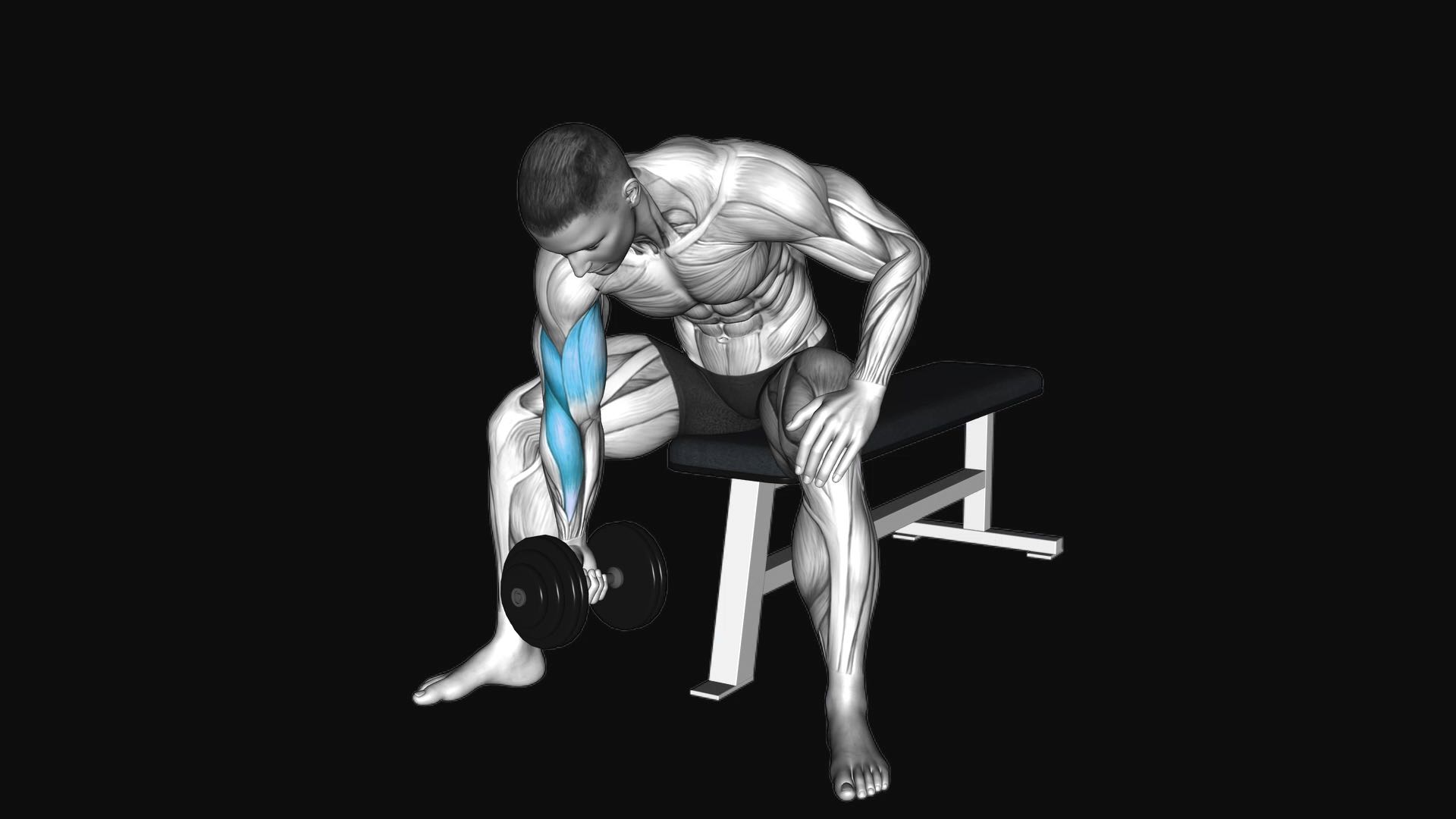
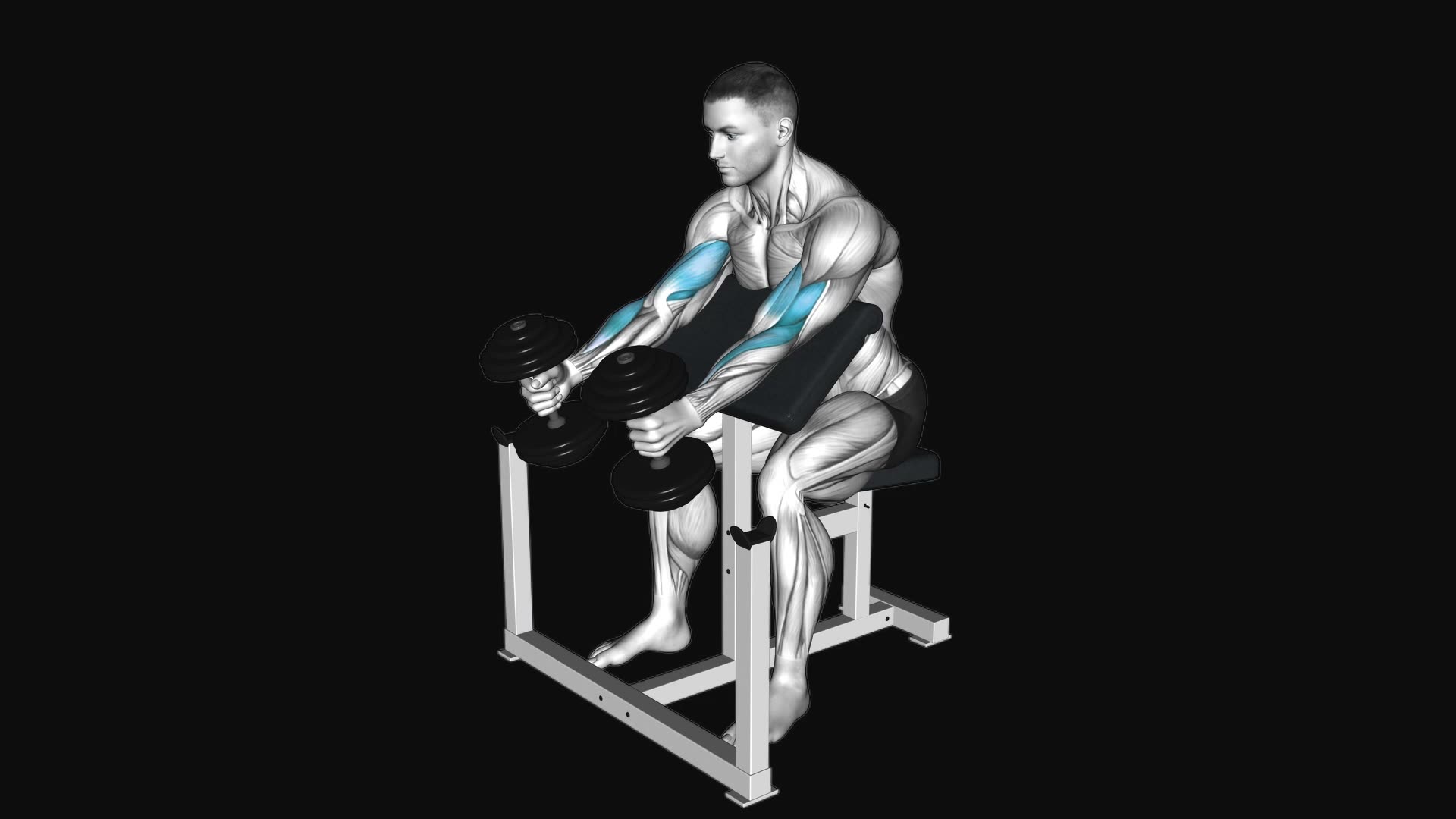
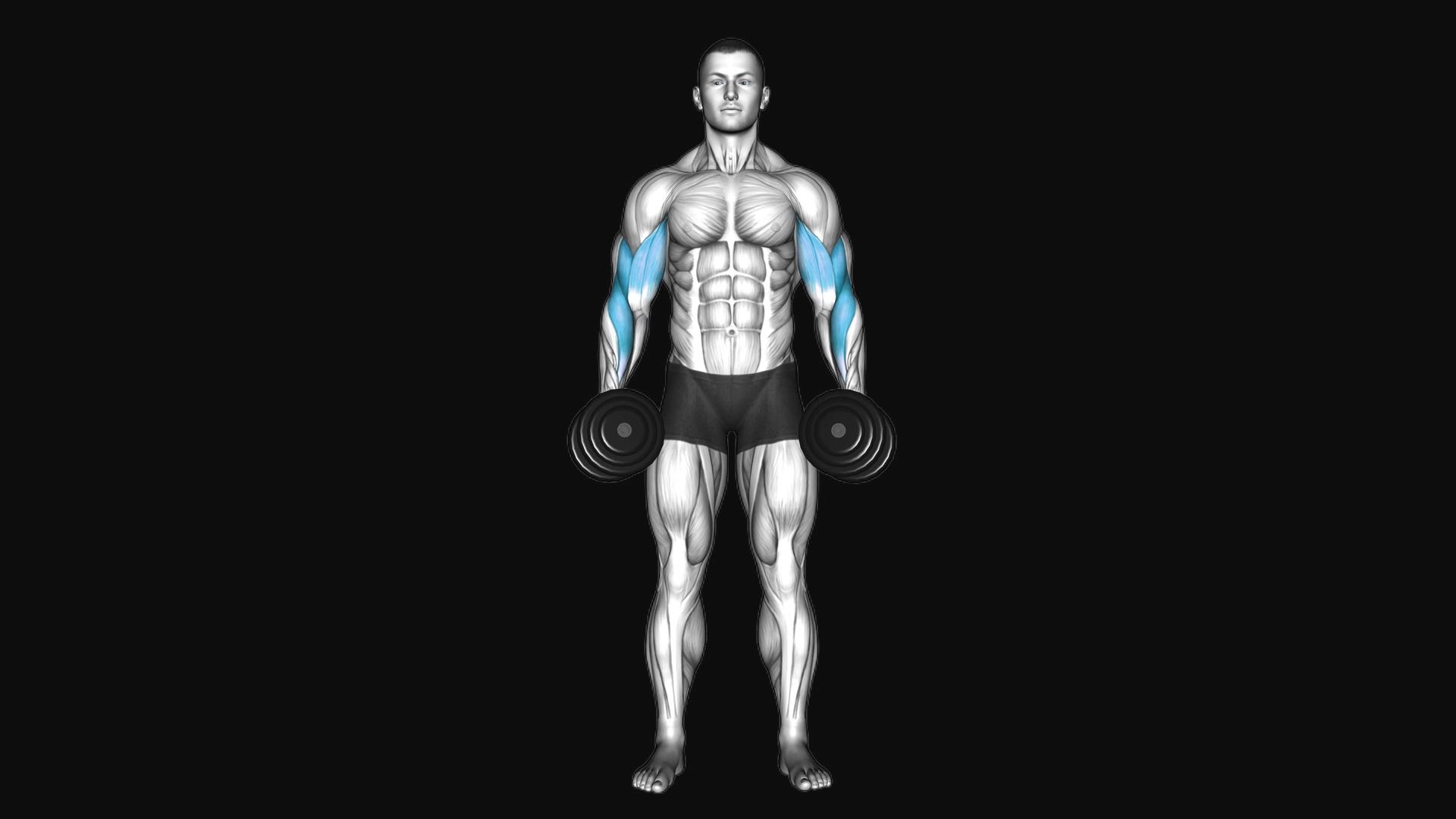
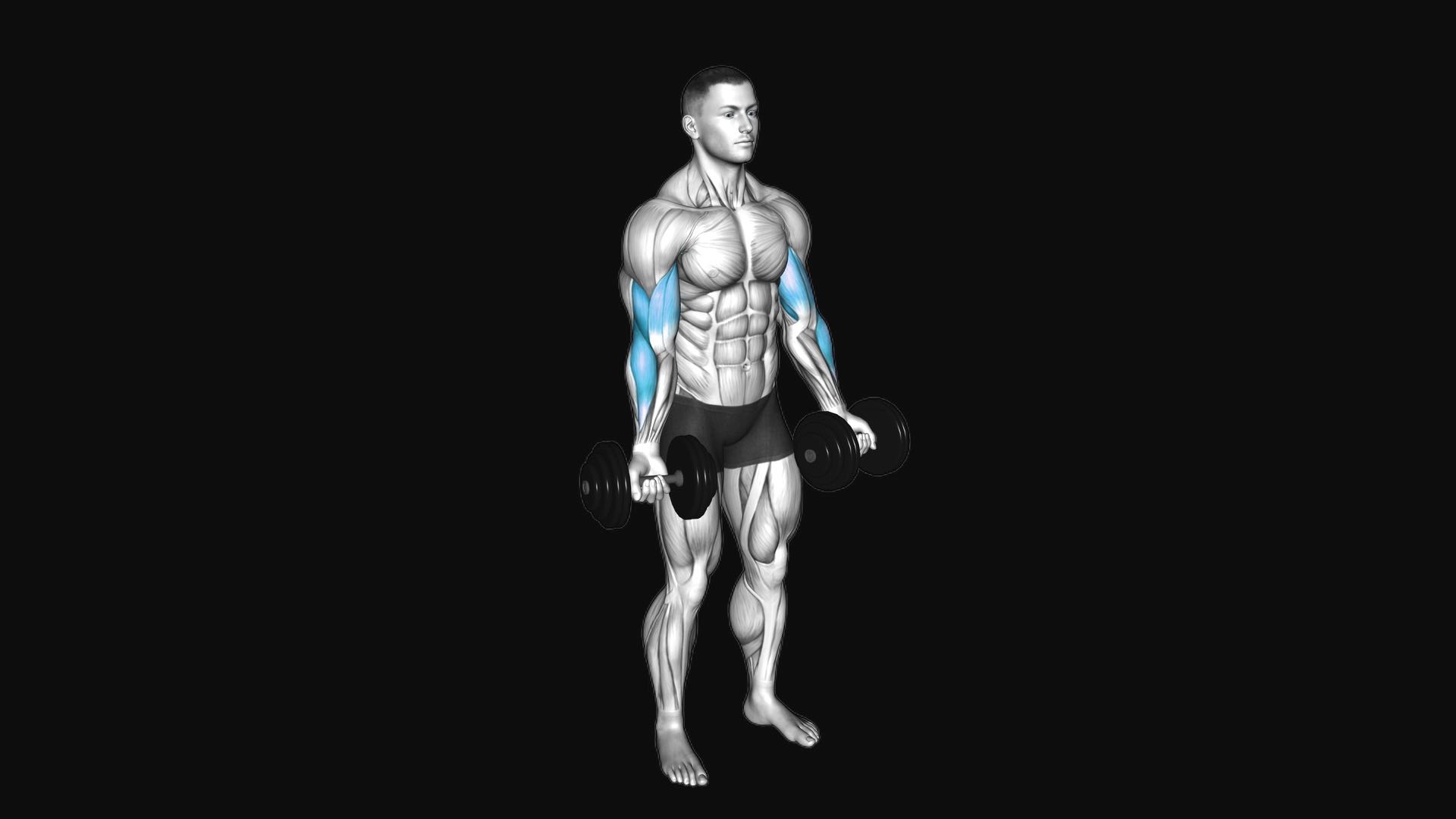
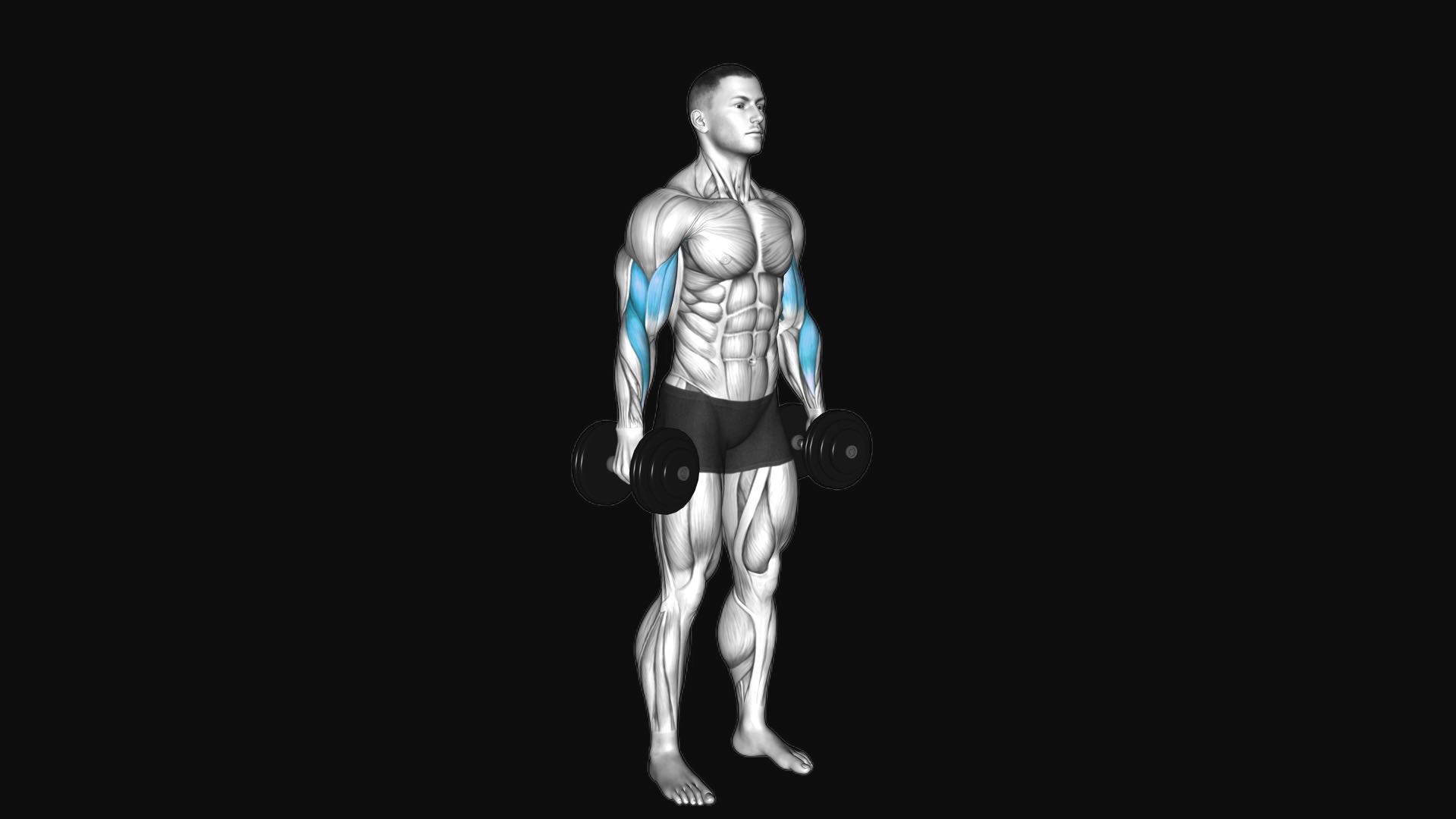
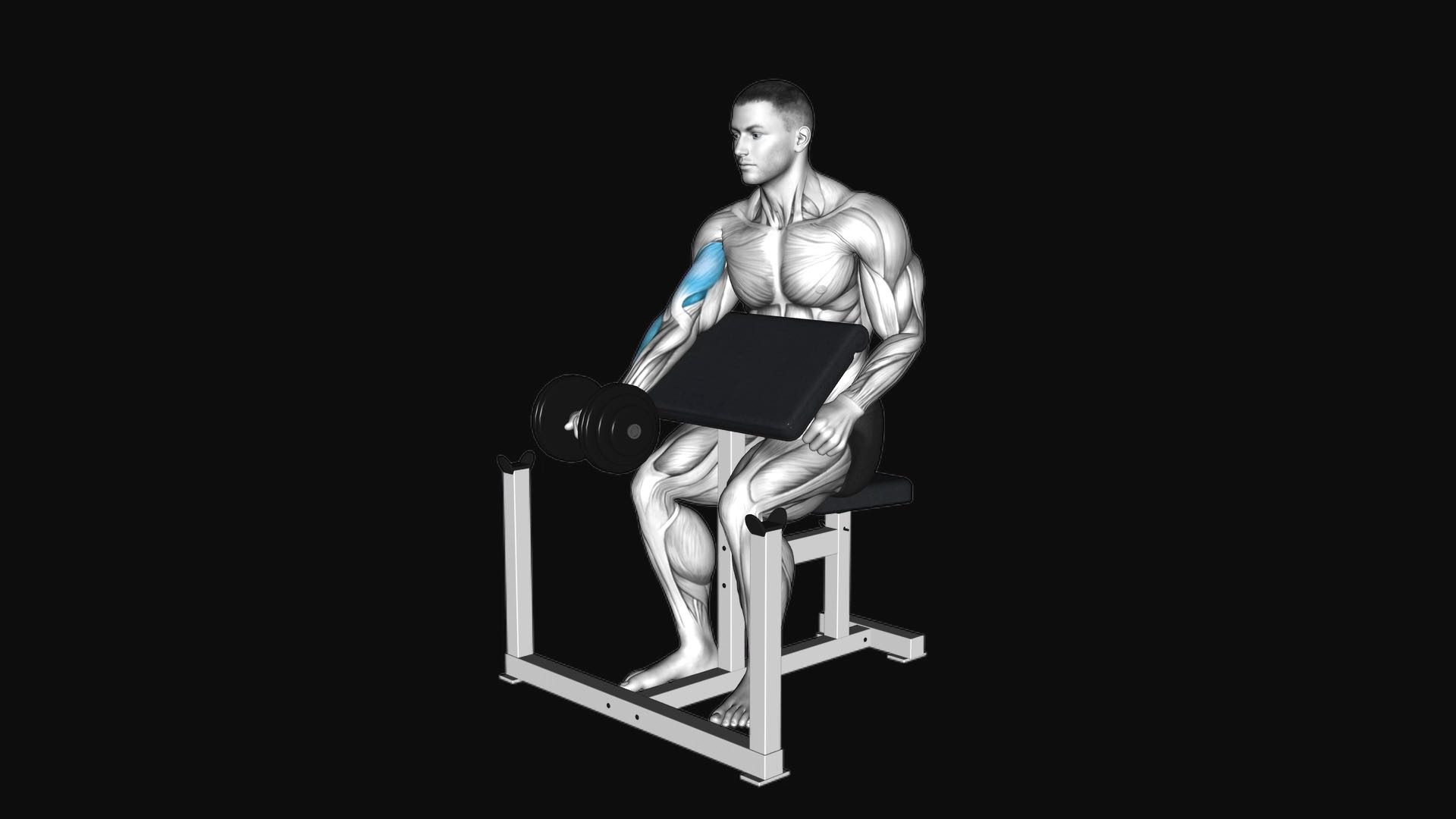
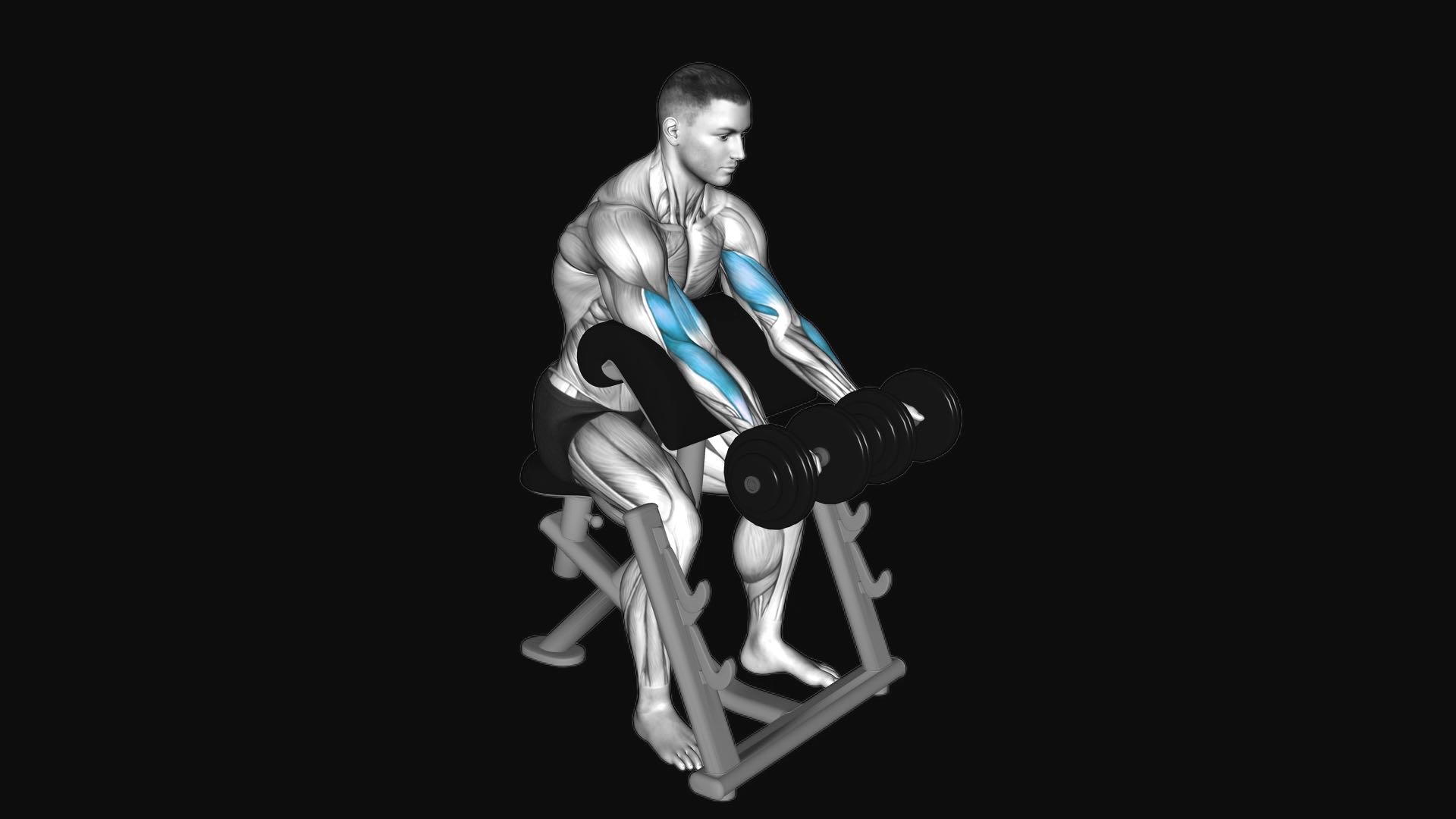
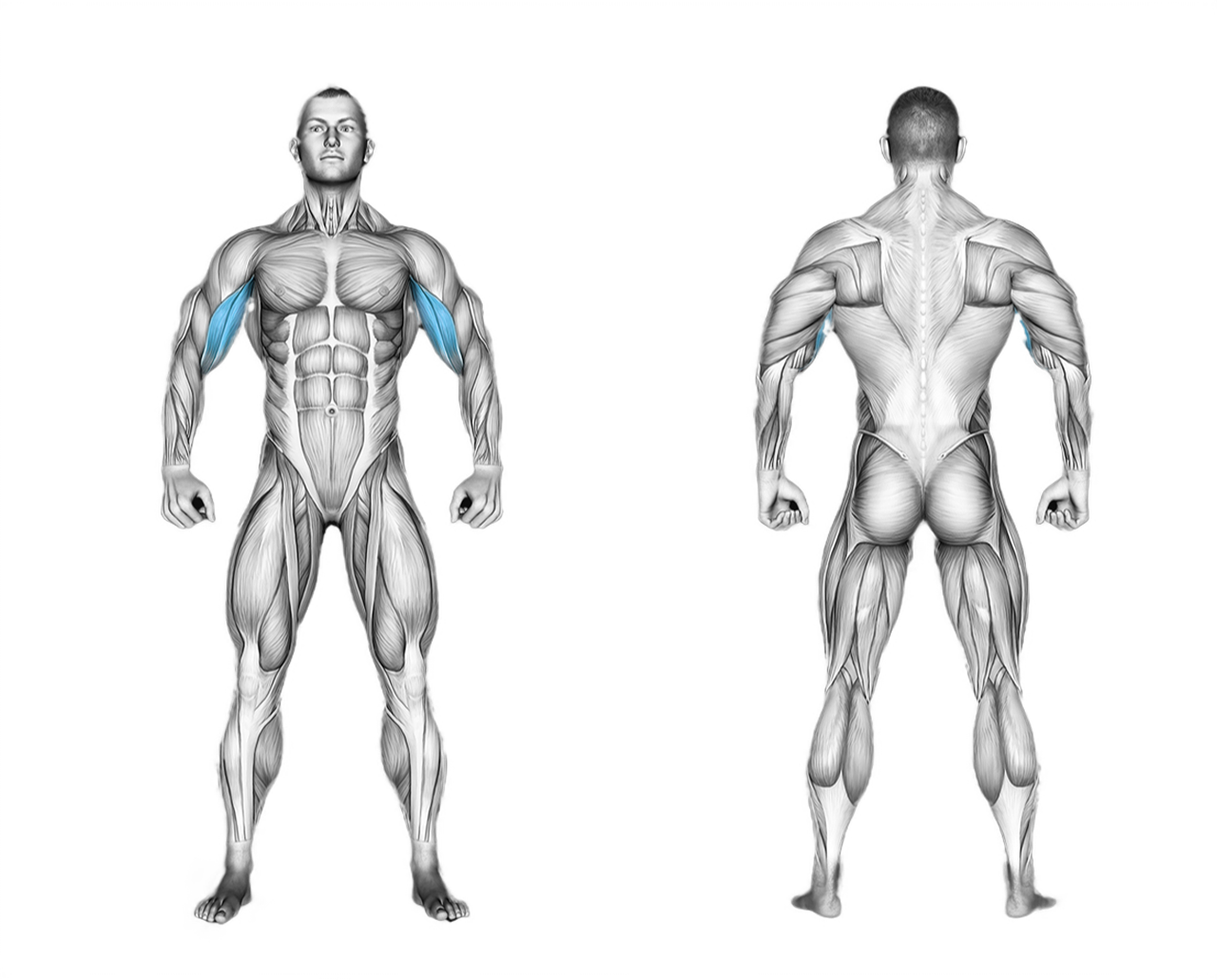
The dumbbell incline alternate bicep curl is an isolation movement that emphasizes the long head of the biceps by placing it in a pre-stretched position. It suits lifters of all experience levels and fits well in the middle or towards the end of an arm workout.
How to do it
- Sit on an incline bench with your back against the pad.
- Hold a dumbbell in each hand with your arms hanging down and palms facing forward.
- Keep your elbows close to your torso and your back straight.
- Inhale and brace your core. As you exhale, curl one dumbbell towards your shoulder, rotating your wrist so that your palm faces your shoulder at the top of the movement.
- Keep your upper arm stationary, focusing on moving only your forearm.
- Slowly lower the dumbbell back to the starting position, controlling the movement.
- Alternate arms with each repetition, performing the curl with the other arm.
Common mistakes
- Drifting the elbows forward during the curl shifts tension from the biceps onto the front deltoids.
- Dropping the dumbbells quickly on the negative phase increases strain on the bicep tendons and wastes muscle-building tension.
- Lifting your upper back or shoulders off the bench introduces momentum and defeats the purpose of the incline angle.
- Setting the bench angle lower than 45 degrees places excessive stress on the shoulder joint capsule.
Tips
- Keep the bench angle between 45 and 60 degrees to maximize biceps stretch without straining your shoulders.
- Lower each dumbbell fully under control to capitalize on the stretched position at the bottom.
- Begin supinating your wrist around the midpoint of the movement to achieve a stronger peak contraction.
Sets and reps
For hypertrophy, perform 3 to 4 sets of 8 to 12 repetitions per arm with 60 to 90 seconds of rest between sets.
Muscles worked
Your coach guides every set
Turn on the coach in Gloox: it asks how you feel, picks the weight from your history and cues technique and rest. Rate each set and the next one is tuned to you.

On a computer? Point your phone's camera here to get the app.
Questions
Why does this feel harder than standing dumbbell curls?
The incline positions your arms behind your torso, removing body momentum and forcing the biceps to work through a deeper stretch.
What should you do if your shoulders hurt during this exercise?
Increase the incline of the bench and reduce the weight to decrease shoulder extension. If sharp pain persists, stop the exercise and consult a specialist.