Chest · Dumbbells
Dumbbell Fly
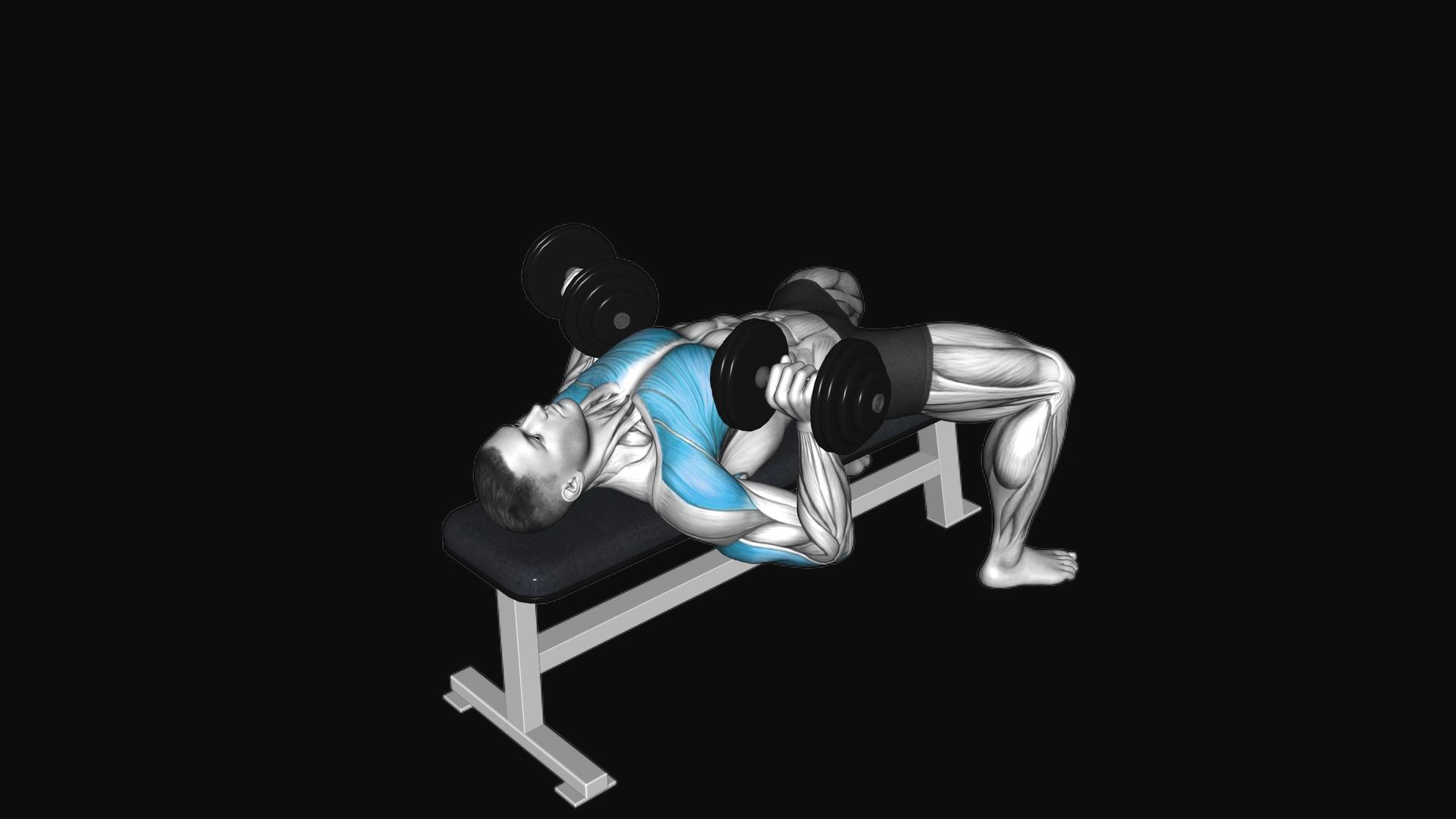
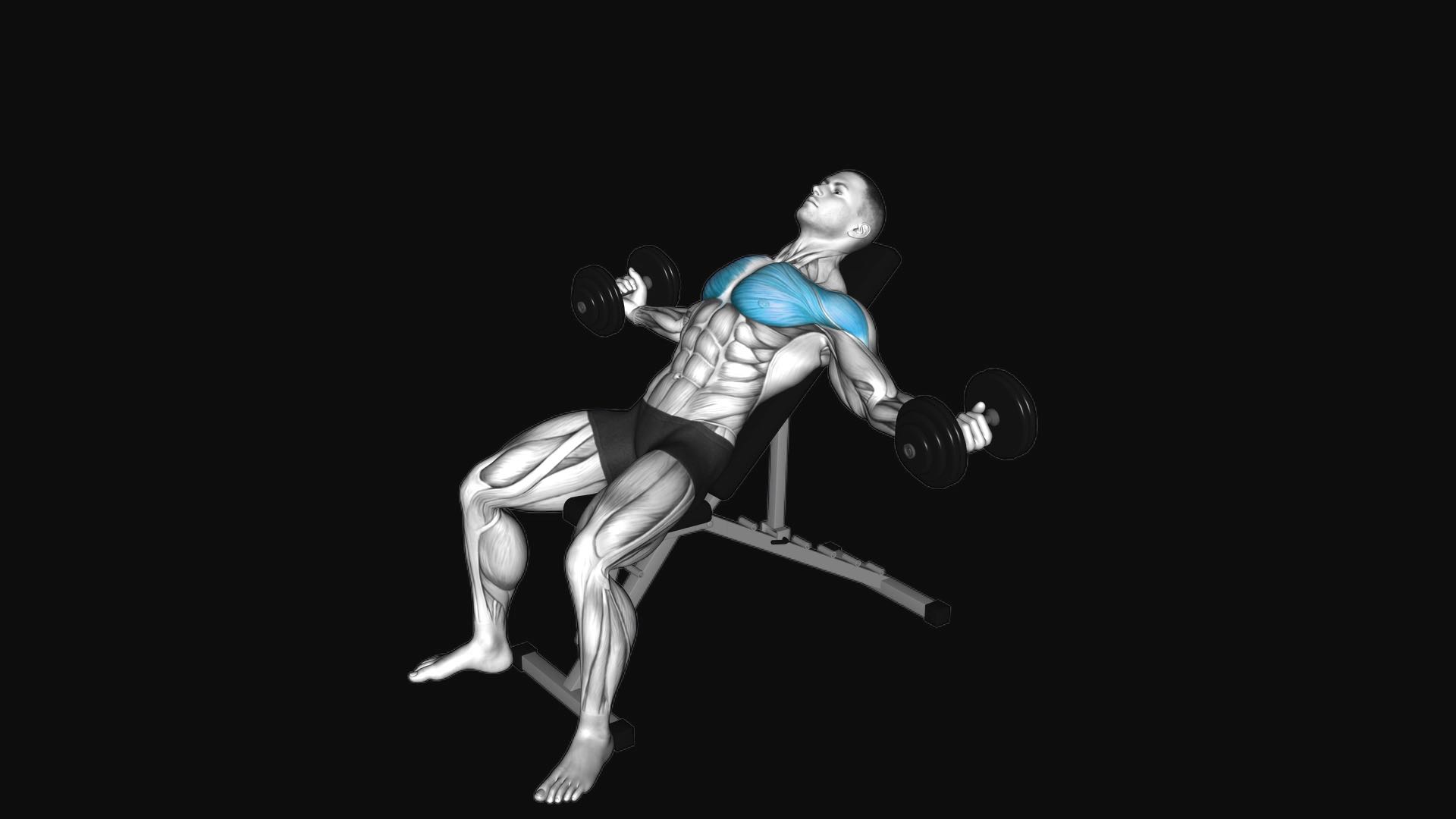
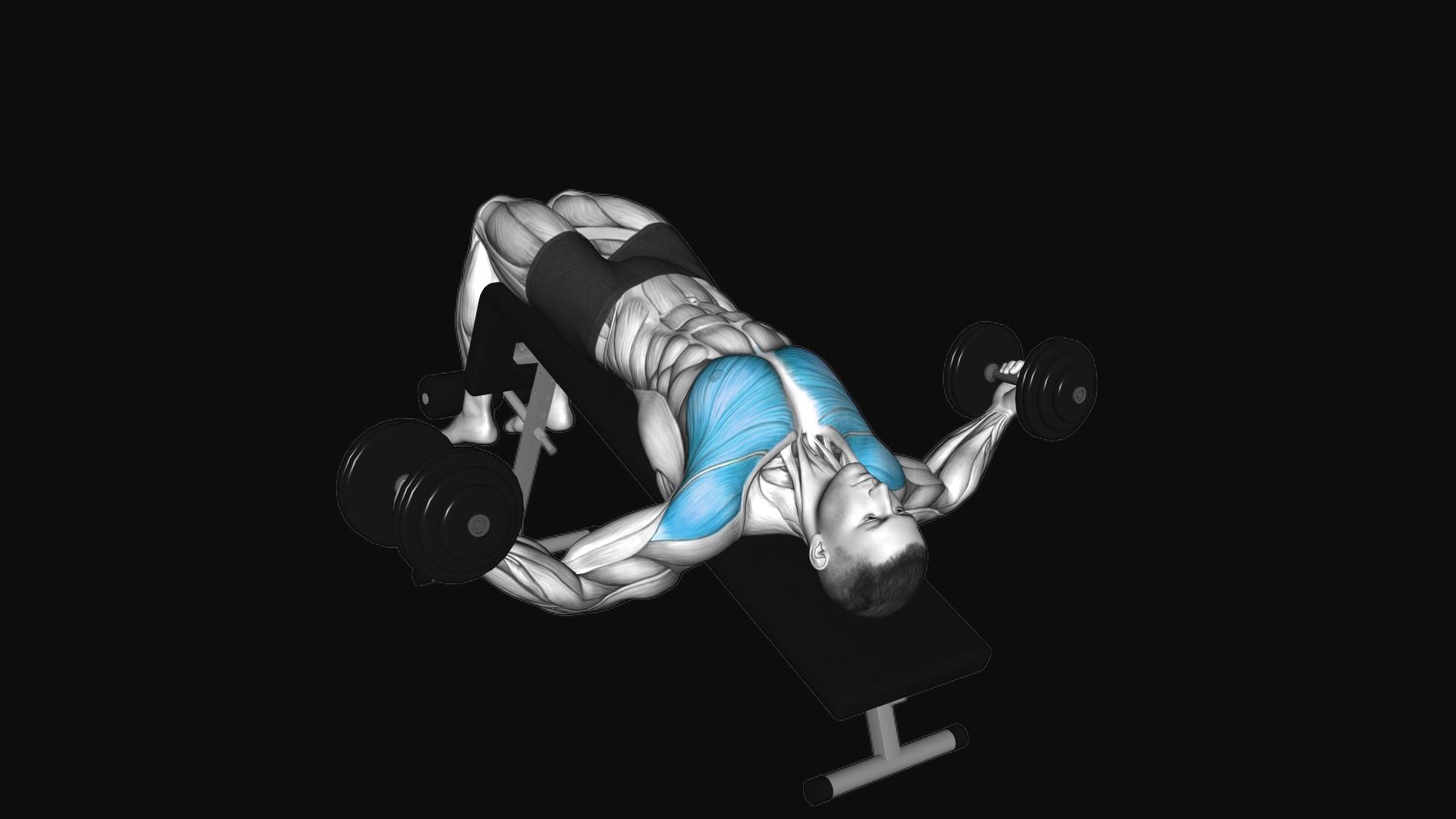
The dumbbell fly is an isolation exercise designed to stretch and develop the pectoral muscles. It suits lifters of various experience levels and is best placed after heavy compound presses to thoroughly fatigue the chest.
How to do it
- Lie on a flat bench with your feet flat on the floor.
- Hold a dumbbell in each hand above your chest, arms extended, palms facing each other.
- Keep your back flat against the bench.
- Inhale and slightly bend your elbows. Exhale as you lower the dumbbells in a wide arc until they are level with your chest.
- Keep the bend in your elbows constant throughout the movement.
- Feel the stretch in your chest at the bottom of the movement.
- Bring the dumbbells back up in a wide arc, squeezing your chest muscles at the top.
- Avoid bouncing the weights at the bottom of the movement.
Common mistakes
- Lowering the dumbbells too far below the bench level places excessive stress on the shoulder joints.
- Bending the elbows too much turns the fly into a press and takes tension off the chest fibers.
- Locking out the elbows completely shifts the load directly onto the joints and connective tissue.
Tips
- Maintain a constant, slight bend in your elbows throughout the entire arc of the movement.
- Focus on squeezing your chest to bring your inner arms together at the top rather than just clinking the weights.
- Lower the dumbbells in a slow, controlled manner over two to three seconds to maximize chest stretch safely.
Sets and reps
Perform 3 to 4 sets of 10 to 15 repetitions with 60 to 90 seconds of rest between sets. Heavy sets below 8 reps are not recommended here due to excessive shear stress on the shoulders.
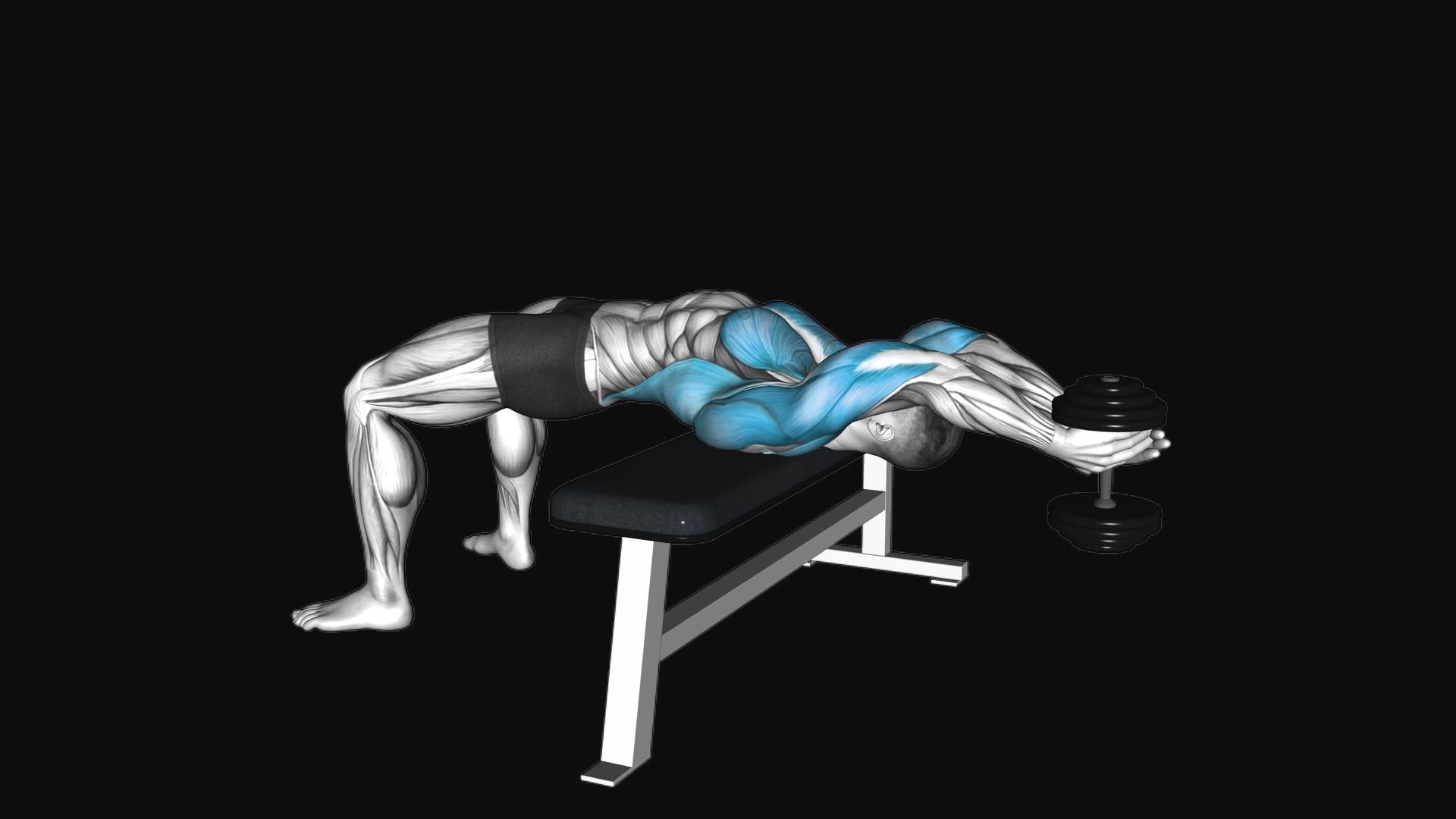
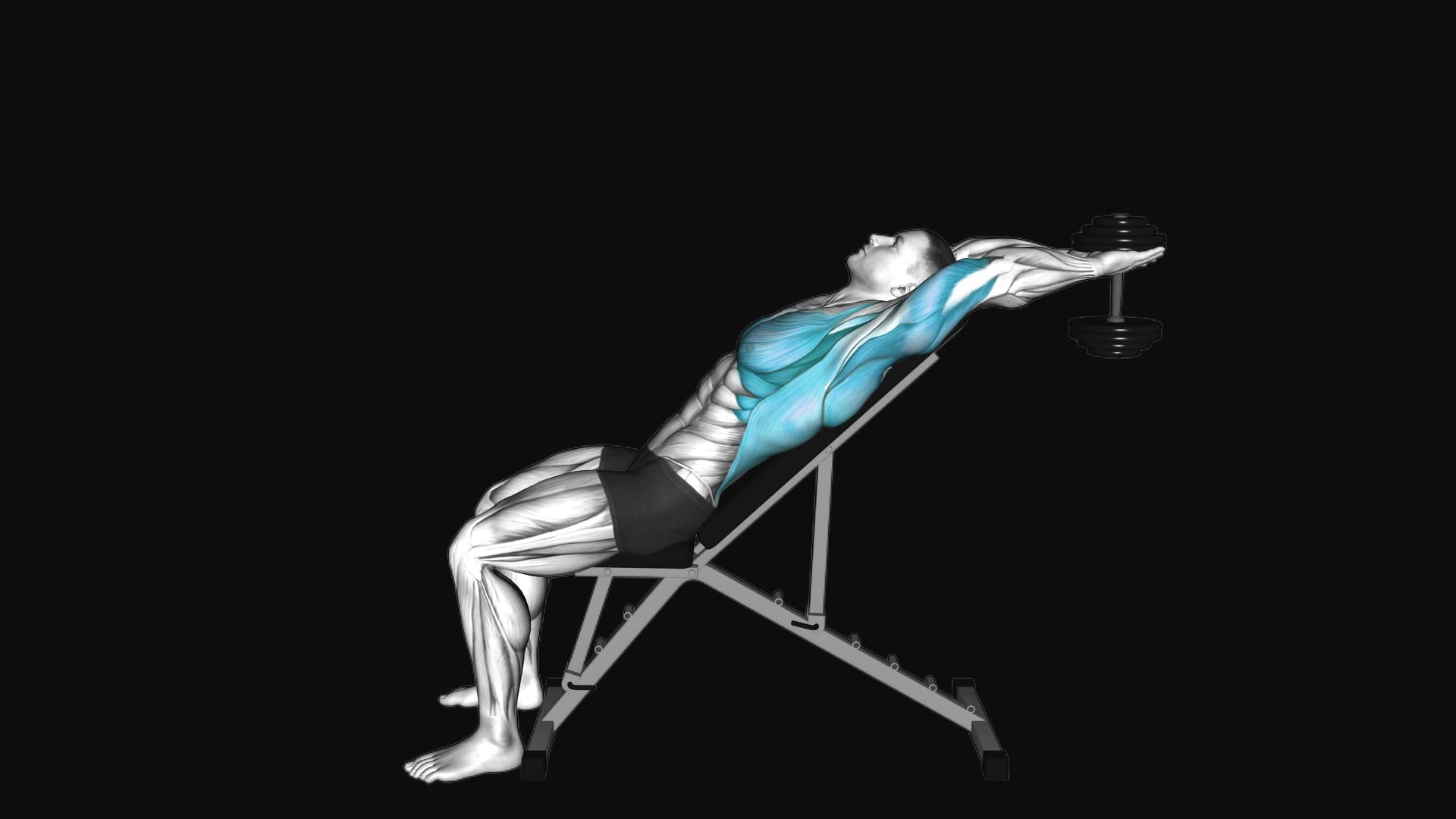
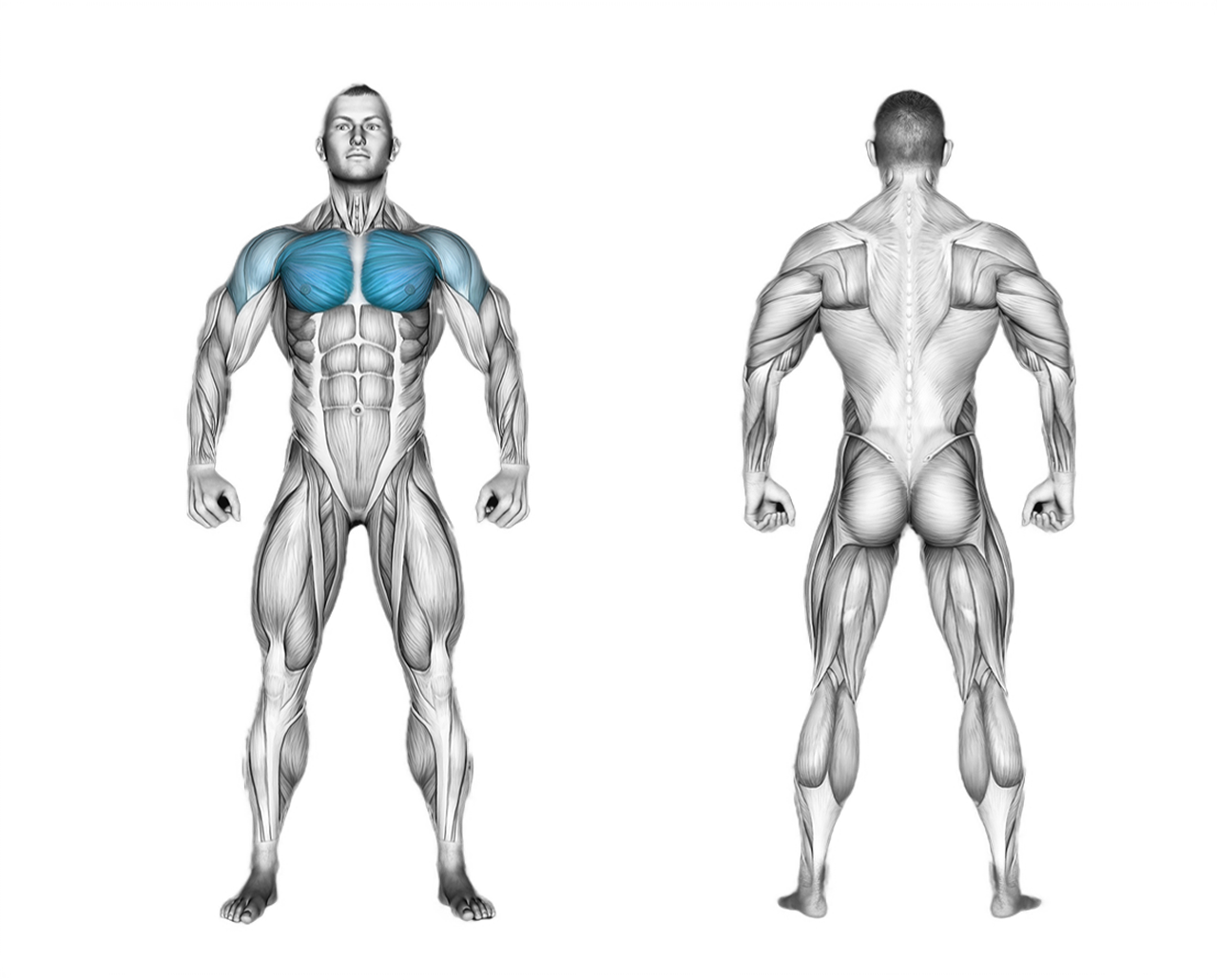
Muscles worked
Your coach guides every set
Turn on the coach in Gloox: it asks how you feel, picks the weight from your history and cues technique and rest. Rate each set and the next one is tuned to you.

On a computer? Point your phone's camera here to get the app.
Questions
Can dumbbell flyes be performed on the floor?
Yes, performing them on the floor creates a natural floor stop that protects vulnerable shoulders while still targeting the chest.
What should you do if you feel shoulder pain during the movement?
Stop the exercise immediately to avoid injury, and consult a qualified specialist if the discomfort persists.