Chest · Dumbbells
Dumbbell Incline Fly
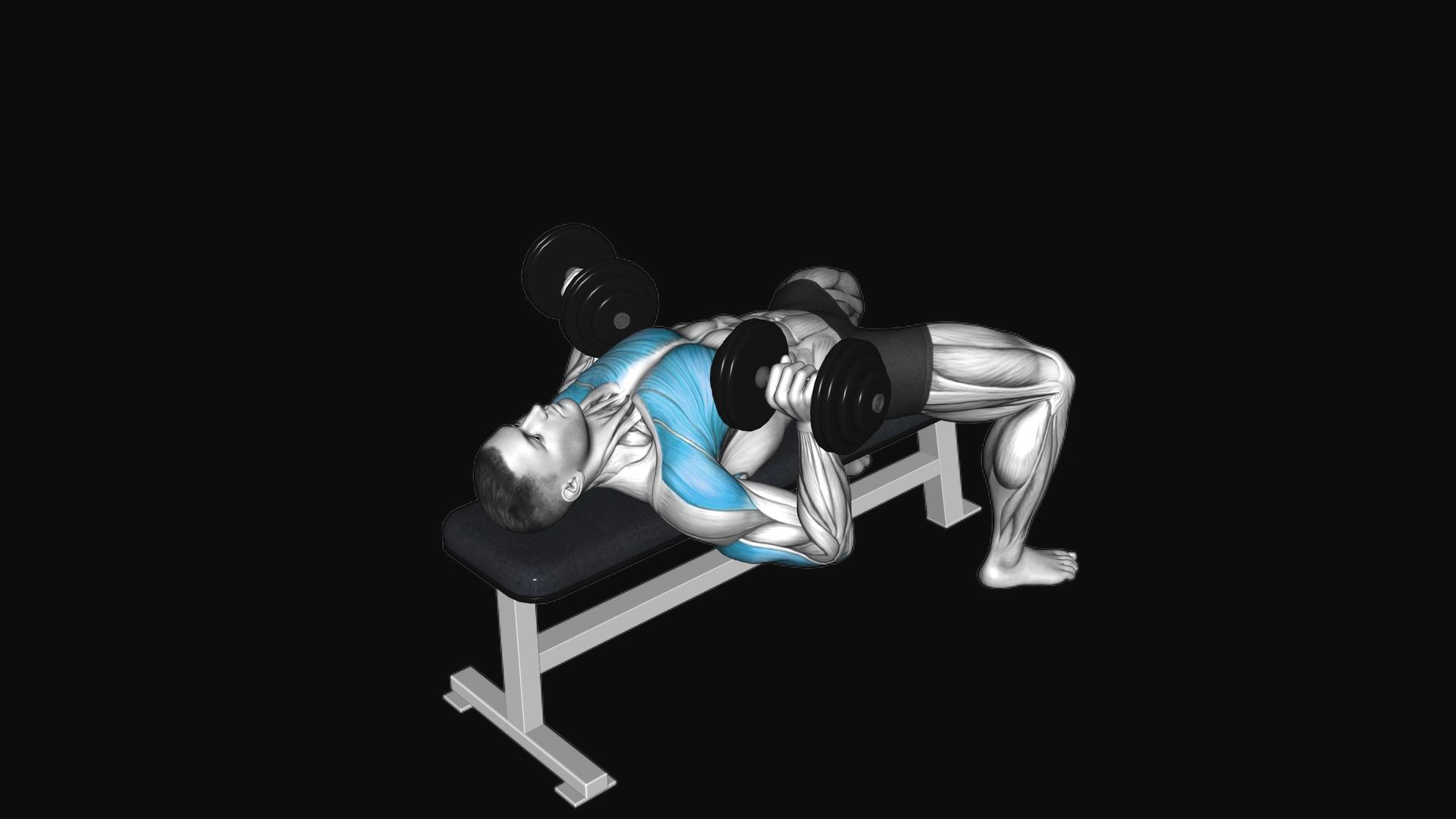
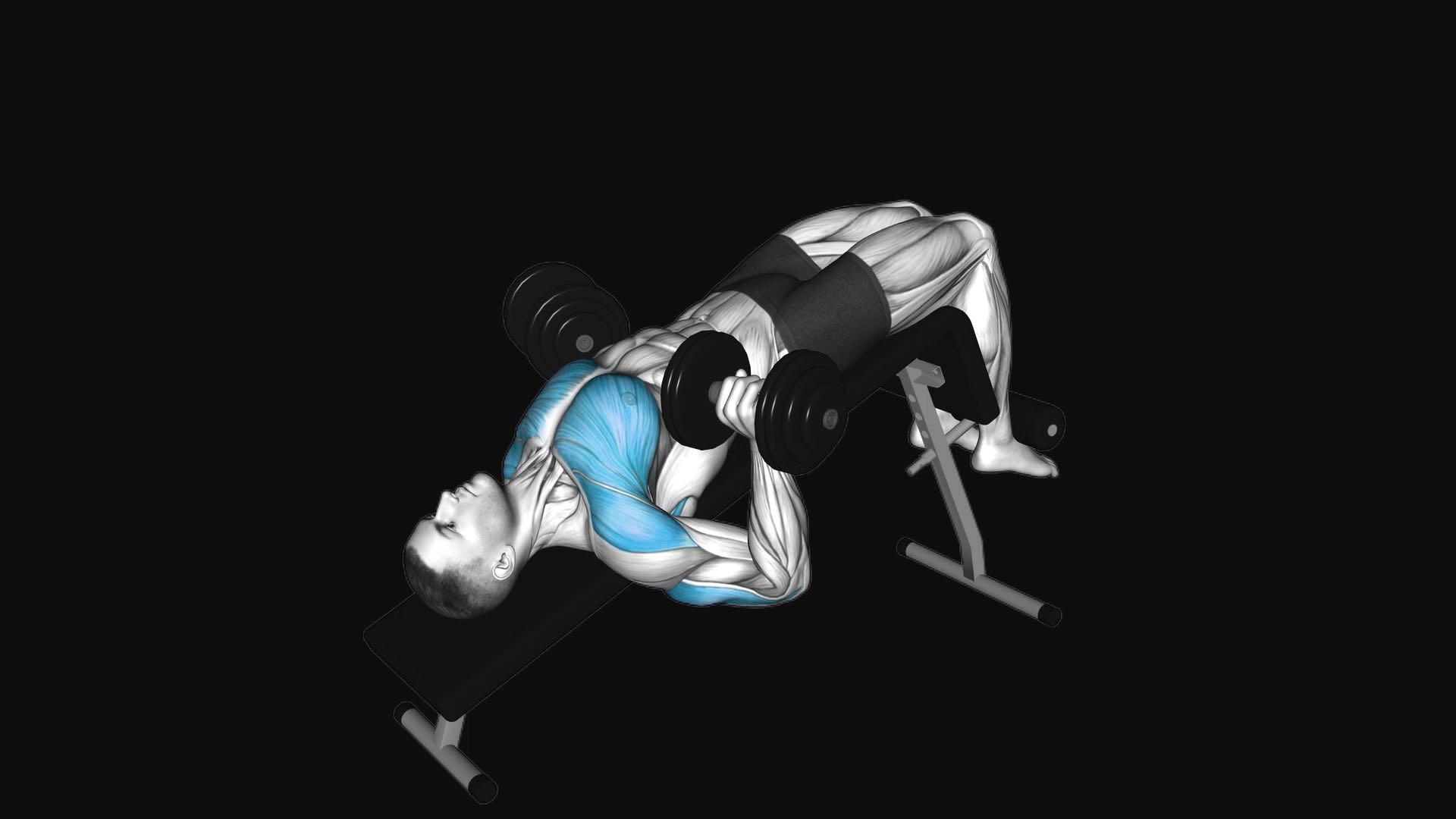
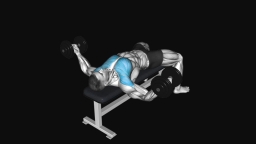
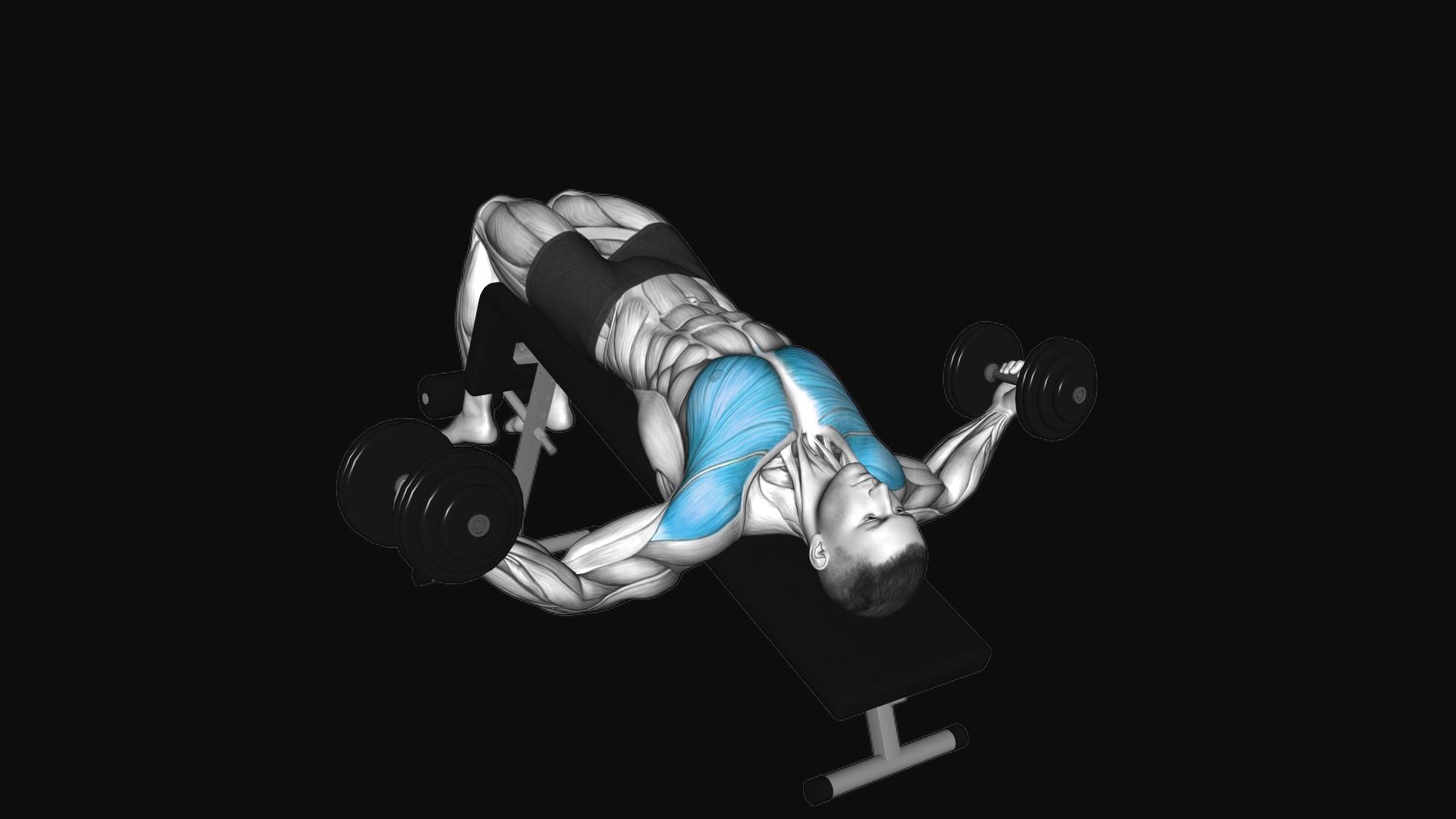
The dumbbell incline fly is an isolation exercise designed to target and stretch the upper portion of the chest muscles. It is suitable for lifters of all experience levels and fits best in the middle or end of a chest workout following compound presses.
How to do it
- Lie back on an incline bench with the angle set between 30 to 45 degrees.
- Hold a dumbbell in each hand above your chest with your arms extended, palms facing each other.
- Plant your feet firmly on the ground and keep your back flat against the bench.
- Inhale and slightly bend your elbows. Exhale as you lower the dumbbells in a wide arc to the sides, until they are level with your chest.
- Keep a constant bend in your elbows throughout the movement.
- Feel the stretch in your chest muscles at the bottom of the movement.
- Bring the dumbbells back up in a wide arc, contracting your chest muscles at the top.
- Avoid bouncing the weights at the bottom of the movement.
Common mistakes
- Fully locking out the elbows places excessive strain on the elbow joints and biceps tendons.
- Lowering the dumbbells too deep past chest level overstretches the shoulder joints and increases injury risk.
- Bending the arms significantly on the way up turns the fly into a press, reducing tension on the pecs.
- Arching the lower back excessively shifts the angle of pull away from the upper chest.
Tips
- Keep the bench angle between 30 and 45 degrees to target the clavicular chest fibers without overloading the front deltoids.
- Maintain a fixed, slight bend in the elbows throughout the entire arc of motion as if hugging a large barrel.
- Focus on squeezing the chest muscles together at the top of the movement without banging the dumbbells together.
Sets and reps
Perform 3 to 4 sets of 10 to 15 controlled repetitions, prioritizing strict form and mind-muscle connection over heavy weight. Rest for 60 to 90 seconds between sets.
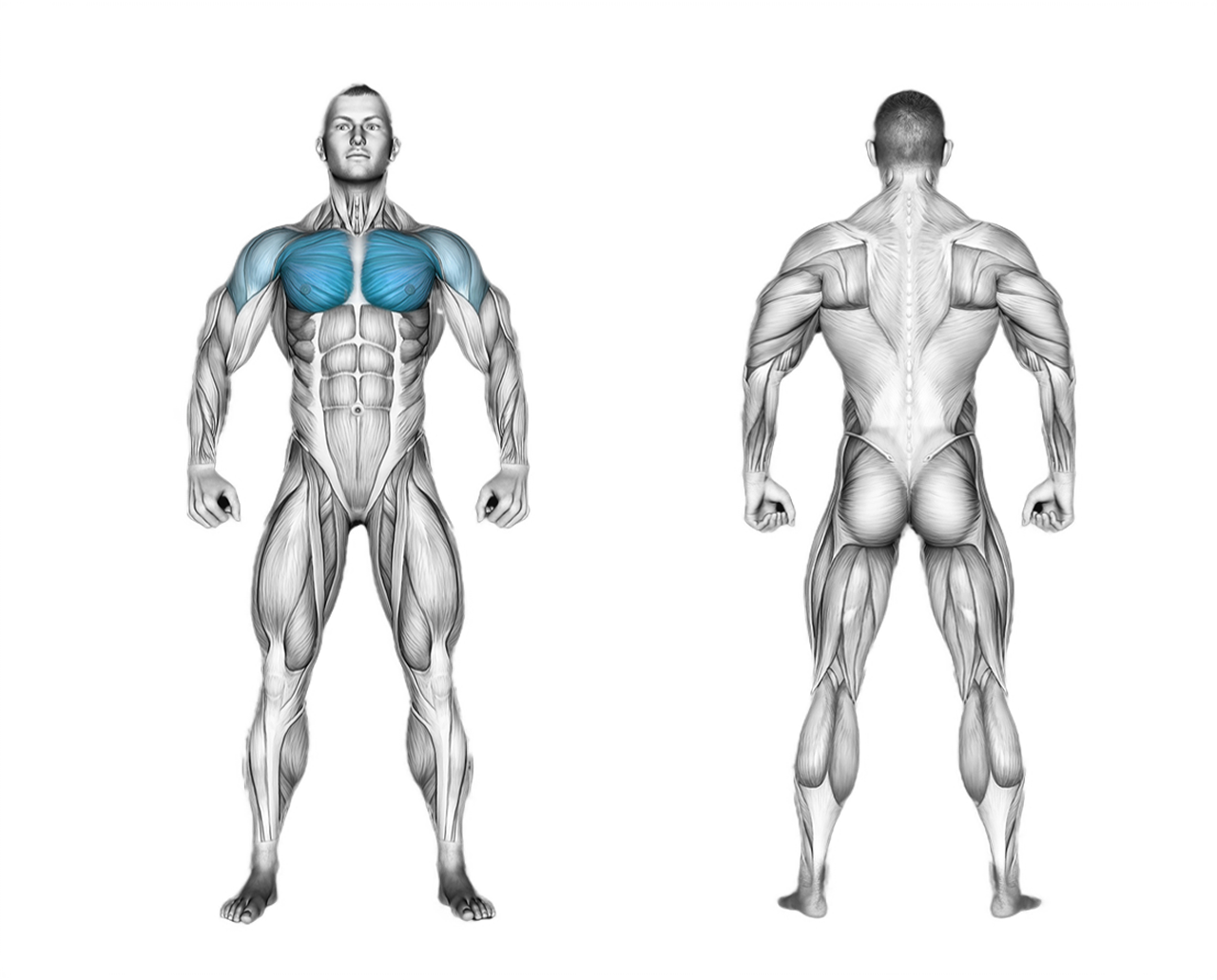
Muscles worked
Your coach guides every set
Turn on the coach in Gloox: it asks how you feel, picks the weight from your history and cues technique and rest. Rate each set and the next one is tuned to you.

On a computer? Point your phone's camera here to get the app.
Questions
Why perform dumbbell incline flyes instead of flat bench flyes?
The incline position shifts primary mechanical tension to the upper chest, helping build balanced thickness across the upper pecs.
What should you do if you feel shoulder pain during this exercise?
Stop the set immediately, and consider limiting your depth or using lighter weights on the next session. If the pain persists, consult a qualified healthcare professional.