Chest · Dumbbells
Dumbbell Decline Pullover
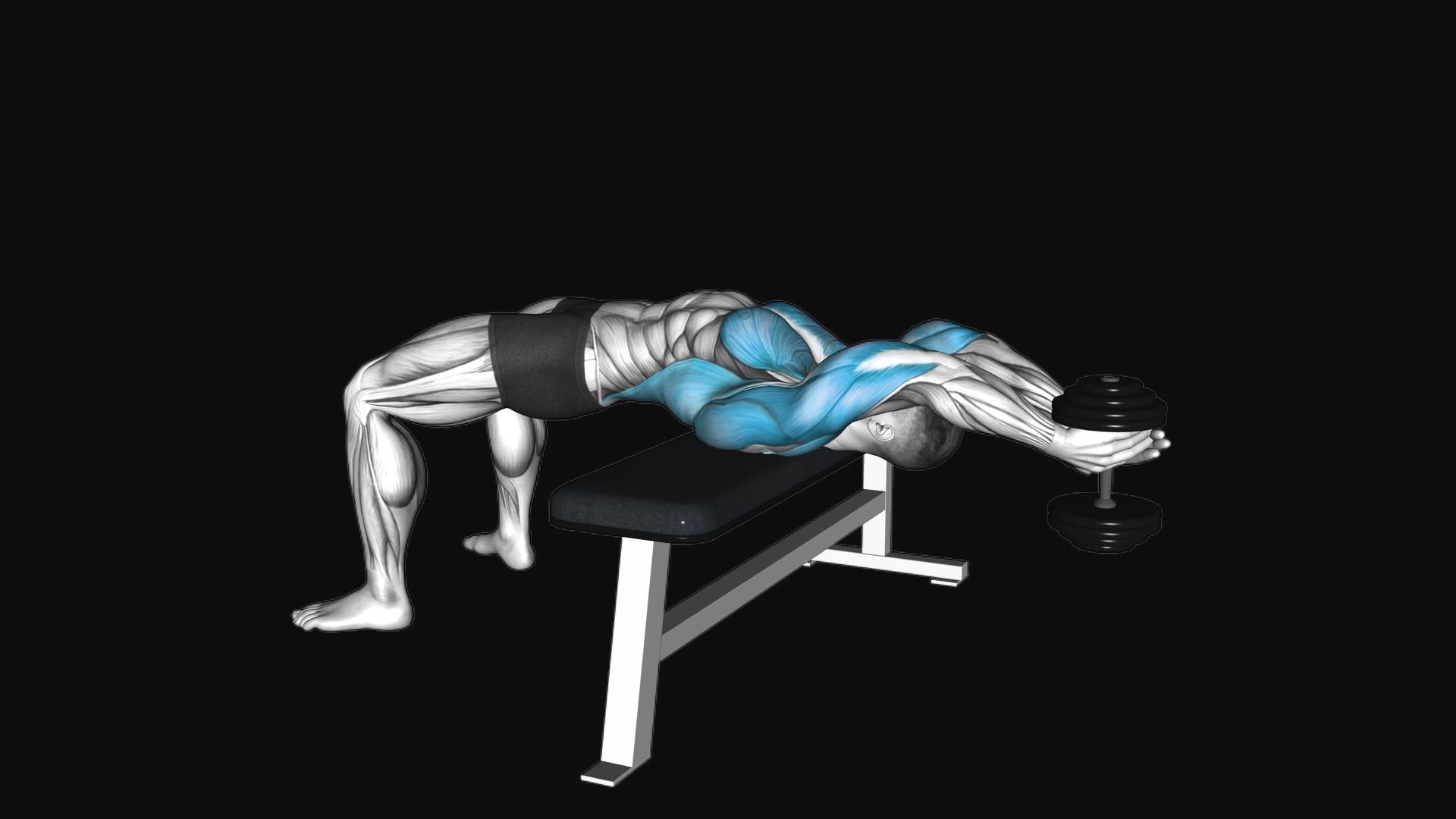
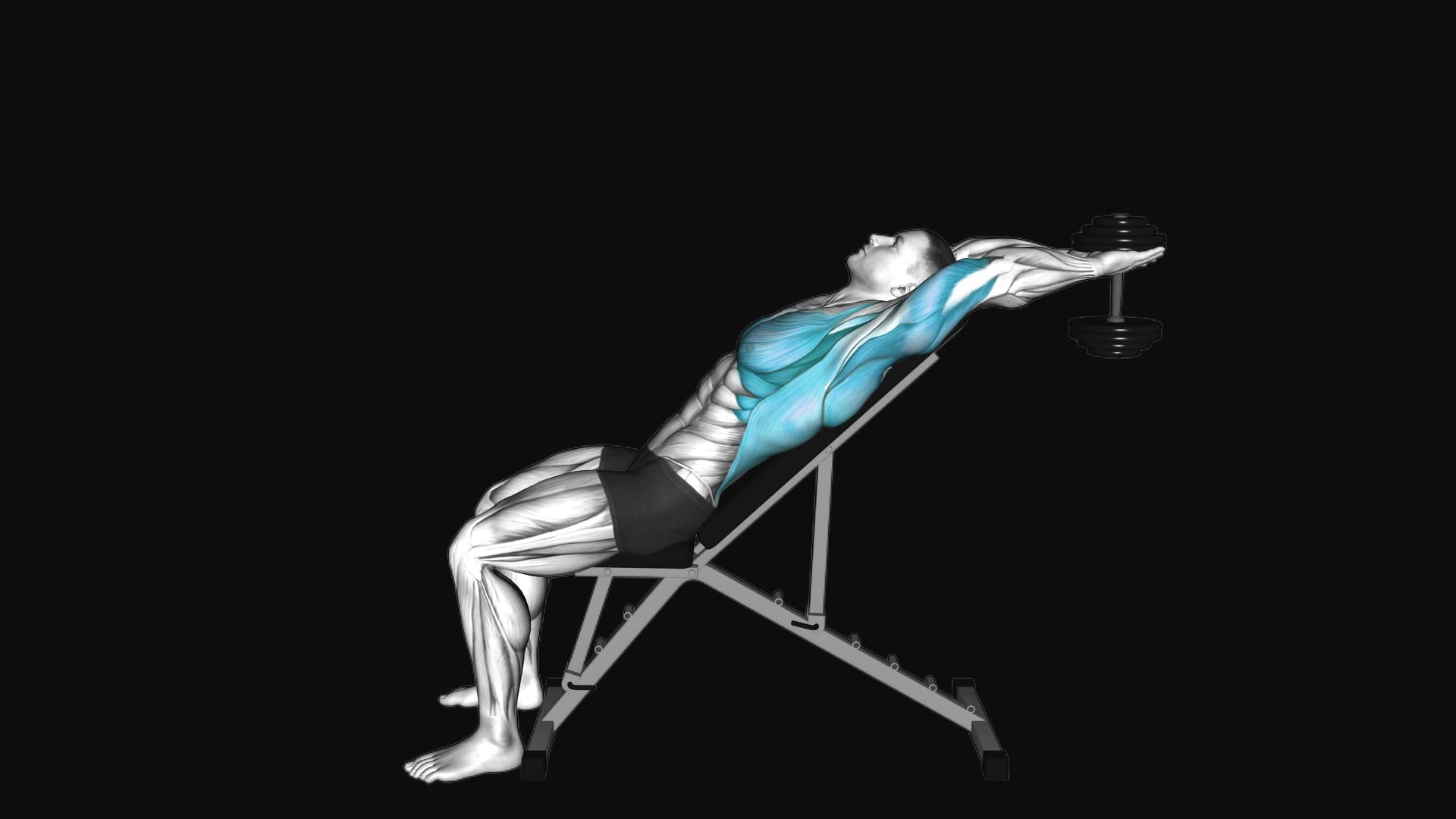
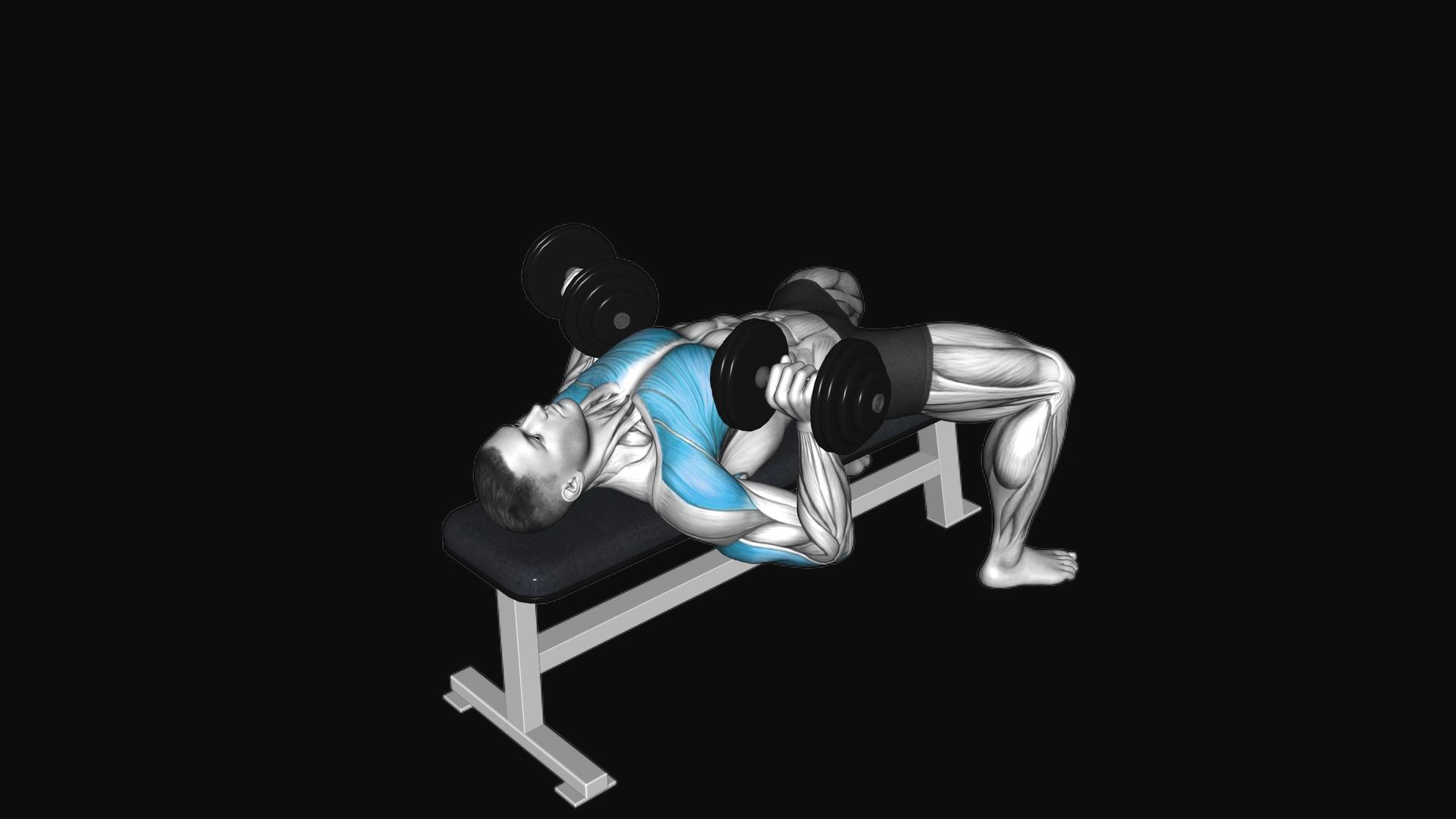
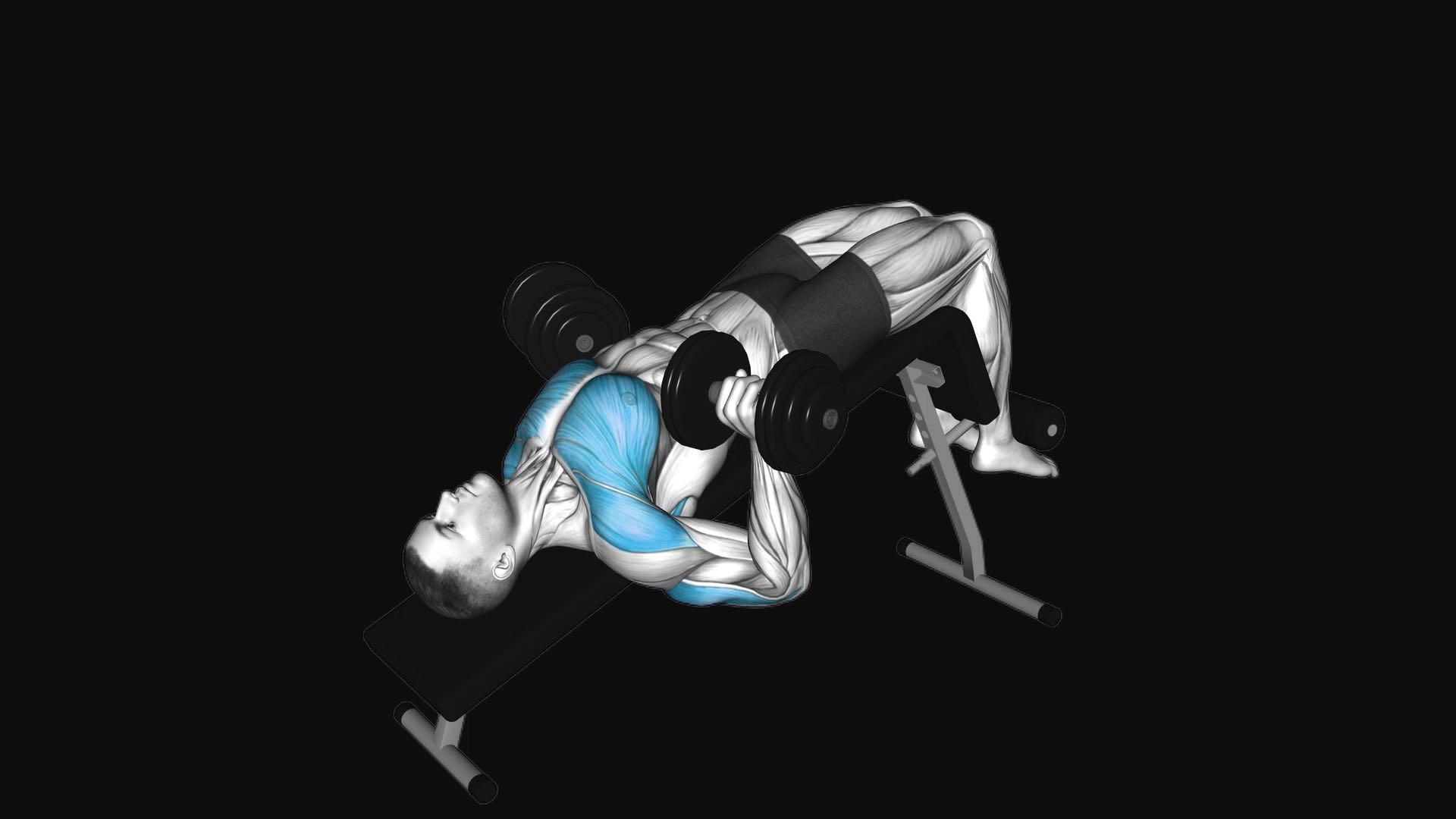
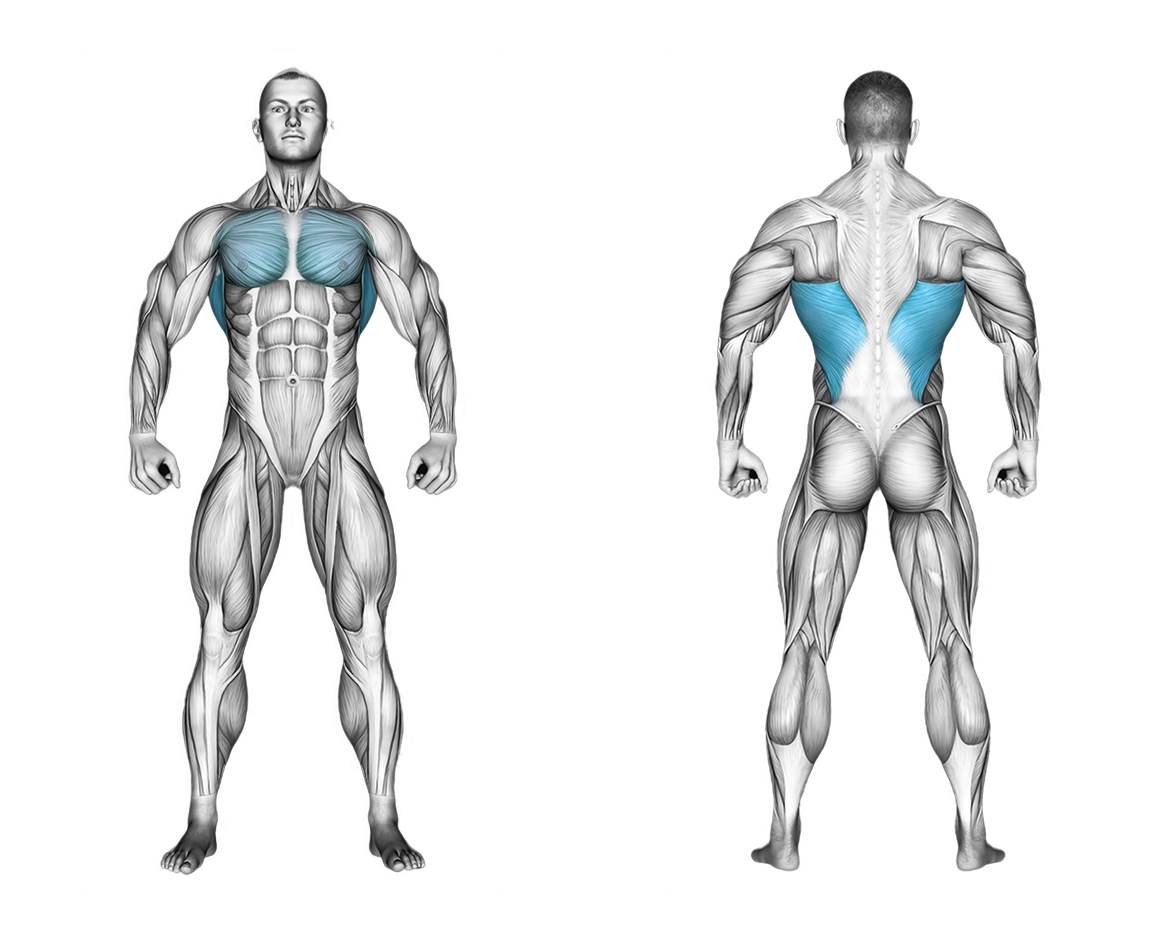
The dumbbell decline pullover is a strength exercise that emphasizes the lats, chest, and serratus anterior through an extended stretch under tension. It is well-suited for intermediate to advanced lifters and works best in the middle or end of a chest or back workout.
- Equipment
- Dumbbells
- Type
- Strength
- Animation
- Men
How to do it
- Lie back on a decline bench holding a dumbbell with both hands above your chest, arms extended.
- Keeping your arms relatively straight with a slight bend in your elbows, lower the dumbbell back over your head in an arc motion.
- Feel the stretch in your lats and chest.
- Pull the dumbbell back to the starting position.
Common mistakes
- Bending your elbows excessively turns the pullover into an extension, transferring the work primarily to your triceps.
- Lowering the dumbbell too far beyond your comfortable range of motion places excessive and dangerous stress on the shoulder joints.
- Arching the lower back off the pad removes stretch from the target muscles and strains the lumbar spine.
Tips
- Maintain a constant, slight bend in your elbows throughout the entire arc of the movement.
- Lower the weight slowly to feel a deep, controlled stretch in your lats and chest before initiating the return pull.
- Keep your lower body tightly anchored in the leg pads to prevent sliding and stabilize your torso.
Sets and reps
Perform 3 to 4 sets of 10 to 15 controlled reps with moderate weight, taking 60 to 90 seconds of rest between sets.
Muscles worked
Your coach guides every set
Turn on the coach in Gloox: it asks how you feel, picks the weight from your history and cues technique and rest. Rate each set and the next one is tuned to you.

On a computer? Point your phone's camera here to get the app.
Questions
What is the advantage of using a decline bench over a flat bench?
The decline angle increases constant tension on the lats and lower pecs, especially at the bottom of the stretch, while stabilizing the lower back.
Is the decline pullover safe for the shoulders?
It is safe when performed with moderate weight and within your natural active mobility, but if you experience shoulder pain, stop immediately and consult a healthcare professional.