Glutes · Bodyweight
Bridge March
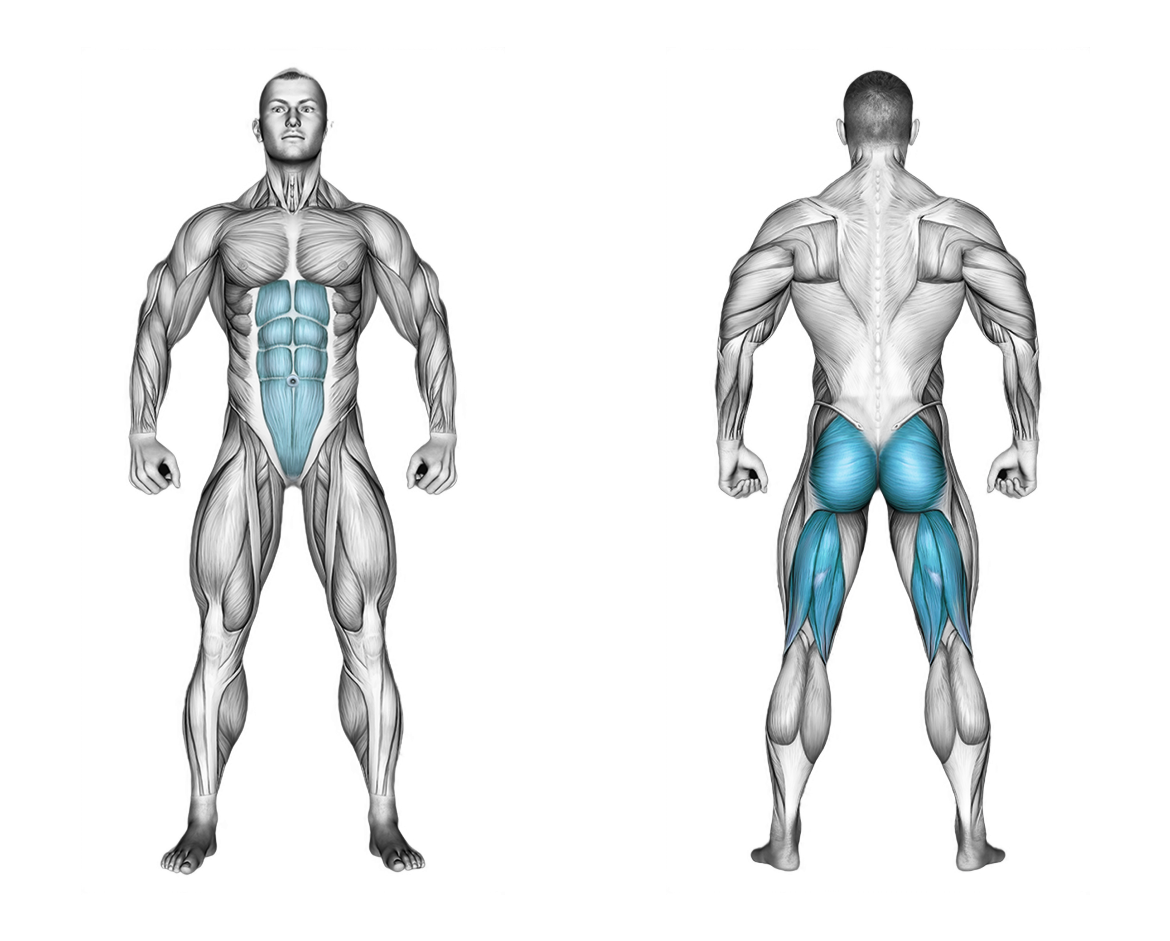
The bridge march is a dynamic bodyweight variation of the glute bridge that challenges unilateral stability by lifting one foot at a time. It targets the glutes, hamstrings, and deep core muscles, fitting well into warm-up routines, core circuits, or lower-body stability sessions.
- Equipment
- Bodyweight
- Type
- Strength
- Animation
- Men
How to do it
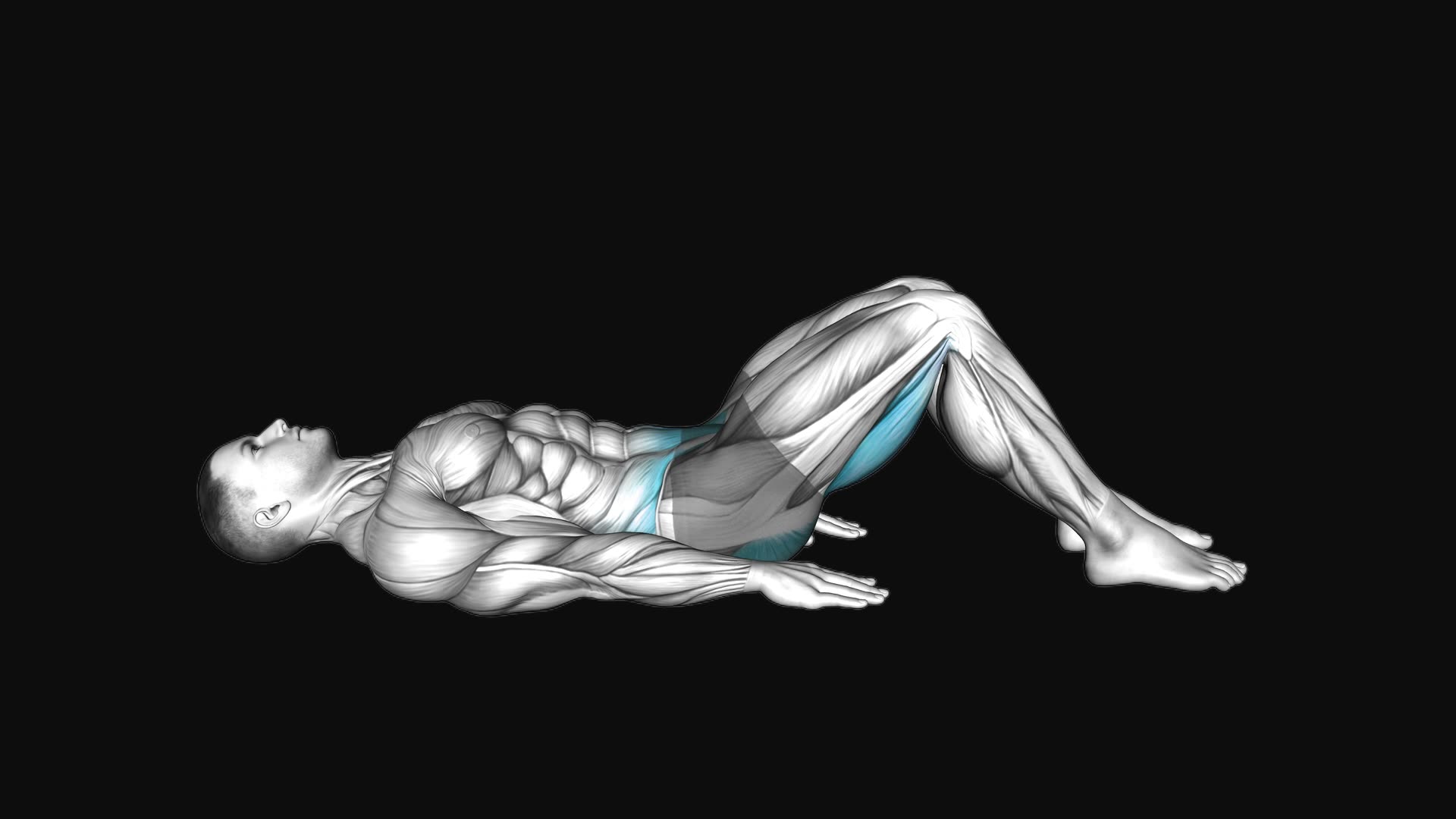
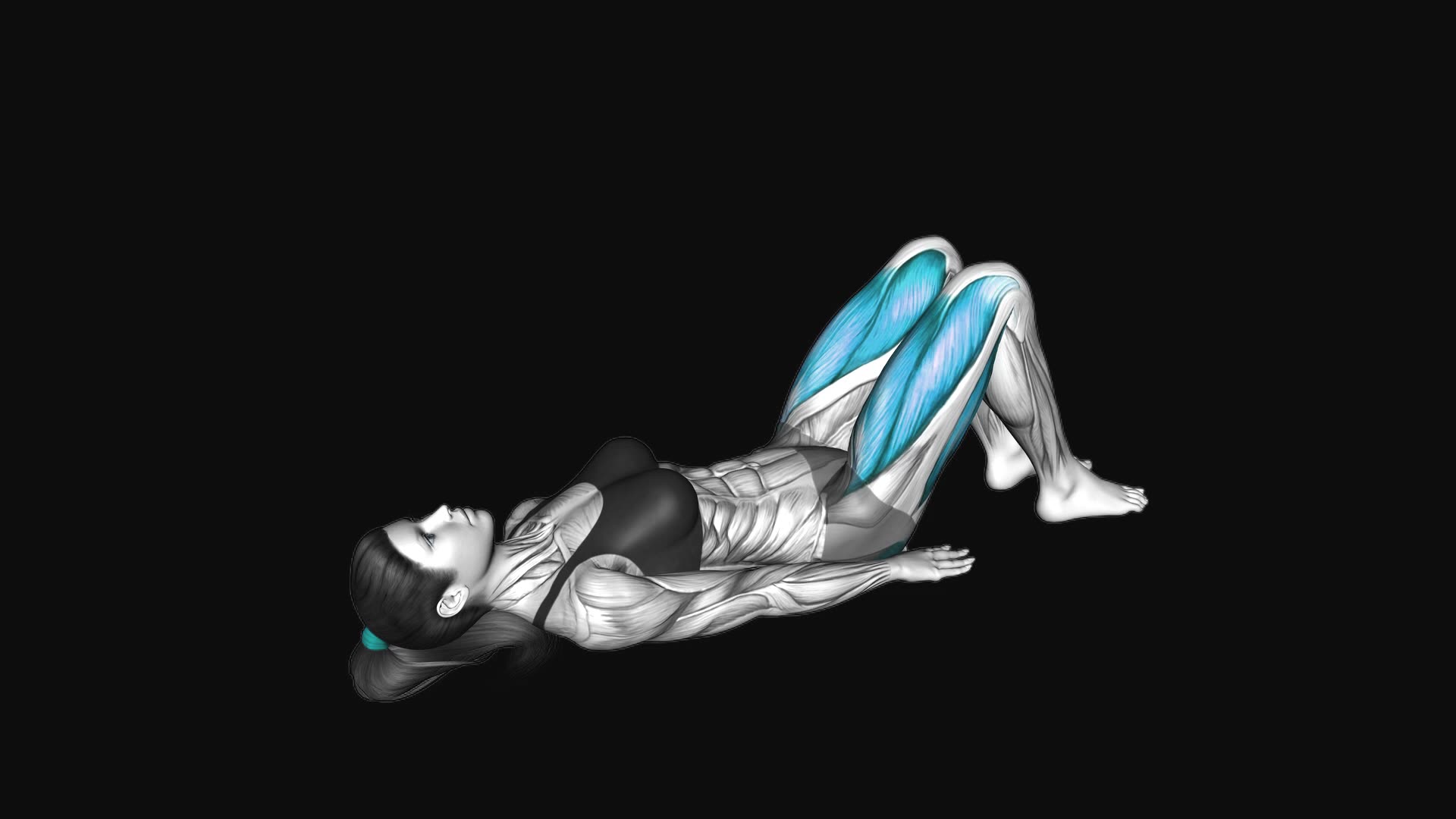
- Lie on your back with your knees bent and feet flat on the ground.
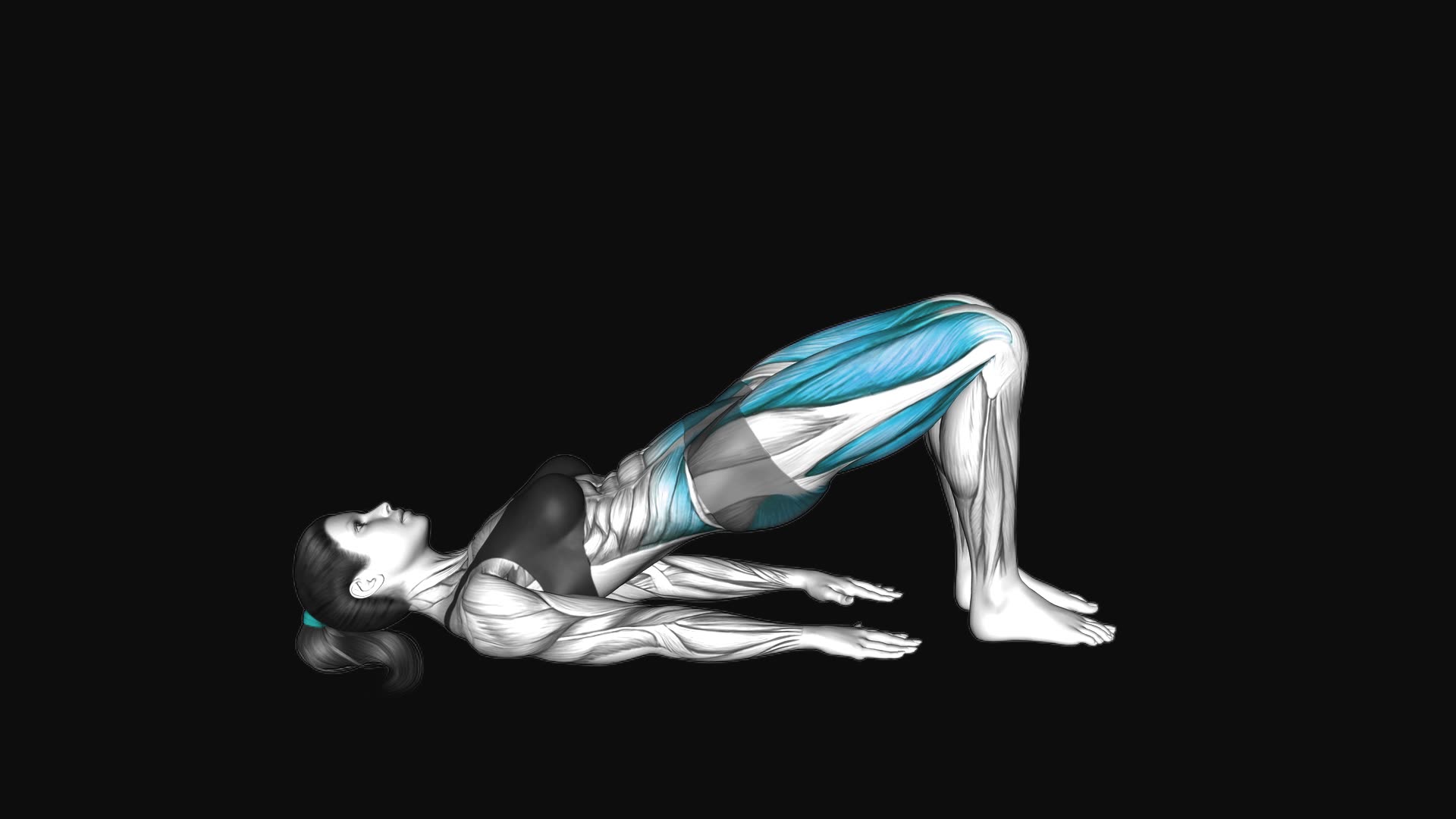
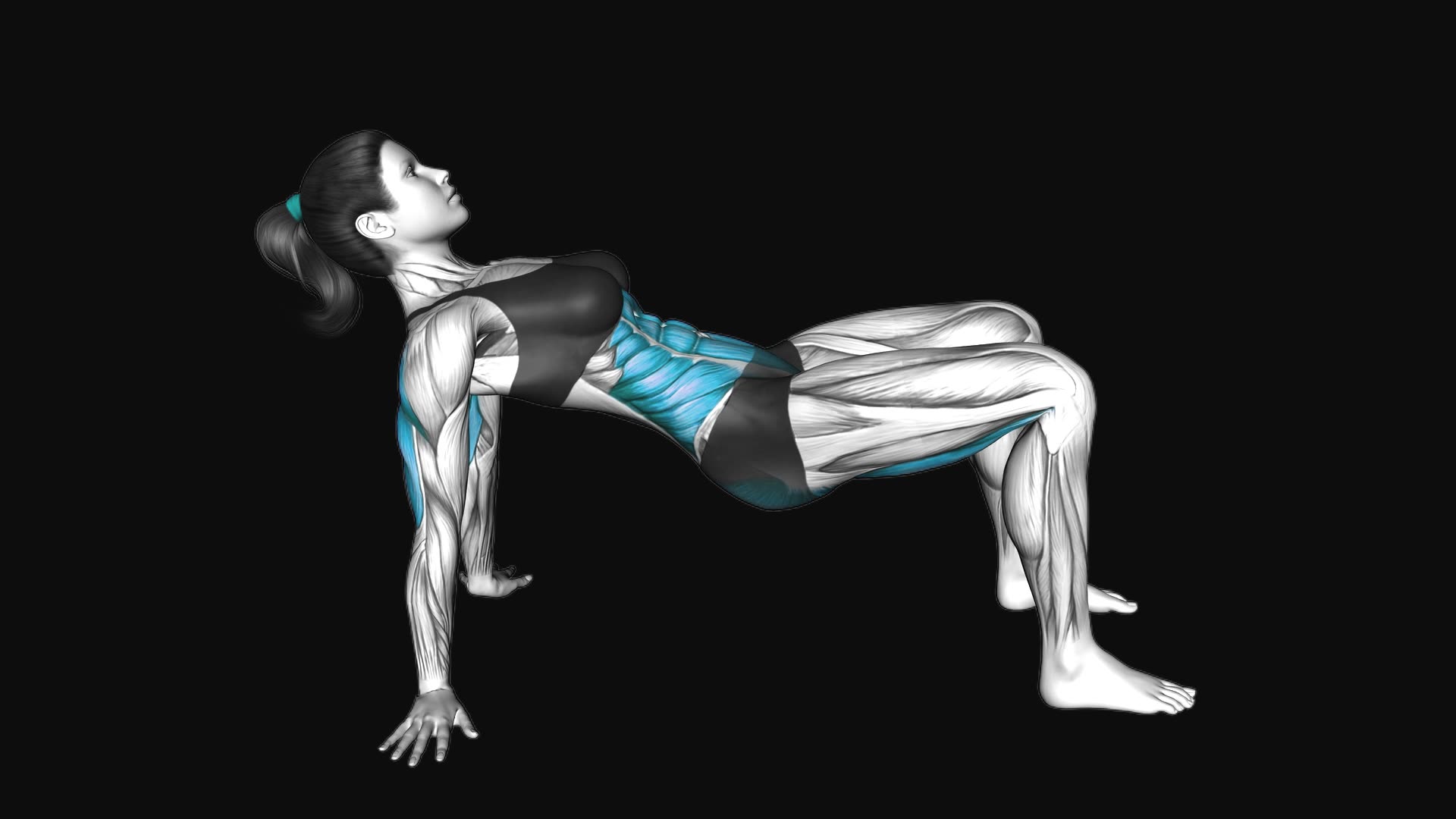
- Lift your hips up into a bridge position, forming a straight line from shoulders to knees.
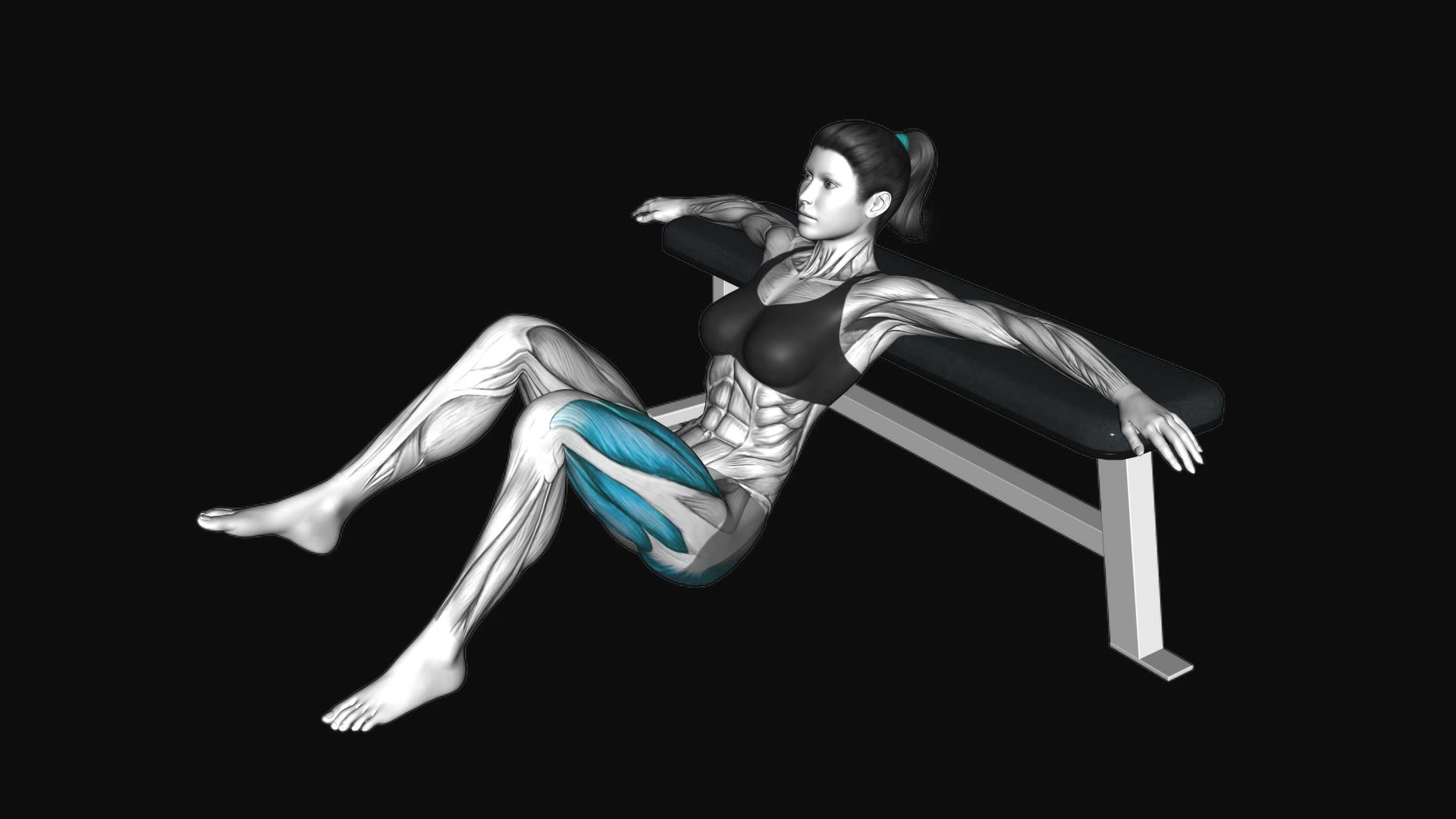
- Maintaining this elevated position, lift one foot off the ground and bring your knee towards your chest.
- Return that foot to the ground, then lift the other foot.
- Continue alternating legs while keeping your hips elevated.
Common mistakes
- Allowing the hips to drop or tilt when lifting a foot shifts tension away from the glutes and strains the lower back.
- Overarching the lower back instead of driving through the hips leads to unnecessary lumbar compression.
- Moving too quickly between steps uses momentum rather than controlled muscular stabilization.
Tips
- Brace your core before each step to keep your pelvis level throughout the movement.
- Drive firmly through the heel of the planted foot to keep the working glute engaged.
- Bring the marching knee only to hip height to avoid tucking the pelvis and rounding the back.
Sets and reps
Perform 3 to 4 sets of 12 to 20 alternating steps (6 to 10 per leg) to build stability and endurance. Rest for 45 to 60 seconds between sets.
Muscles worked
Your coach guides every set
Turn on the coach in Gloox: it asks how you feel, picks the weight from your history and cues technique and rest. Rate each set and the next one is tuned to you.

On a computer? Point your phone's camera here to get the app.
Questions
Is the bridge march safe for lower back pain?
It is generally spine-friendly when the core is tight and the hips stay level, but you should stop and consult a specialist if discomfort arises.
How can you make the bridge march more challenging without weights?
You can add a mini-band around the thighs, elevate your shoulders on a bench, or pause for two seconds with the knee raised.