Biceps · Barbell
Barbell Reverse Curl
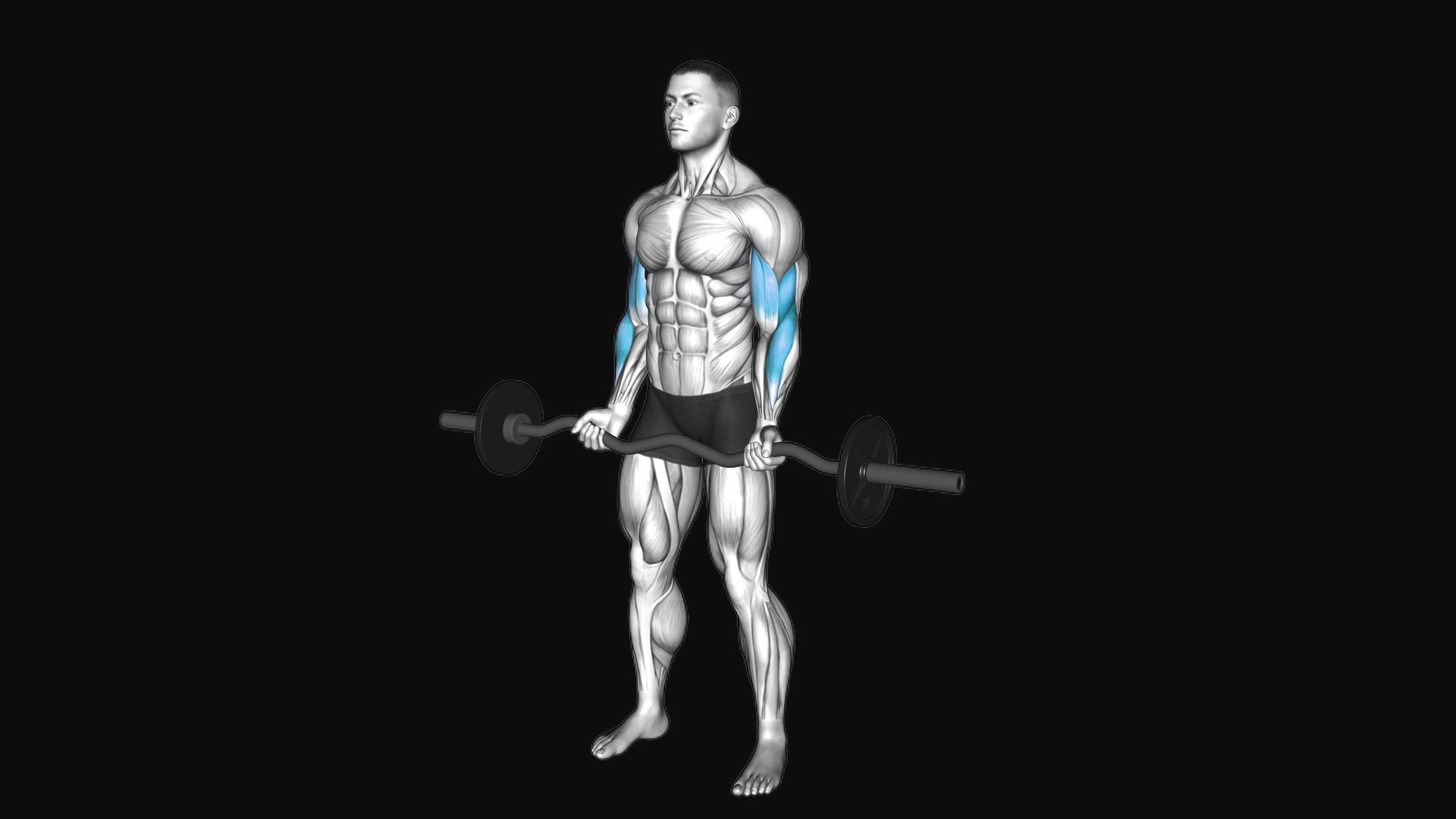
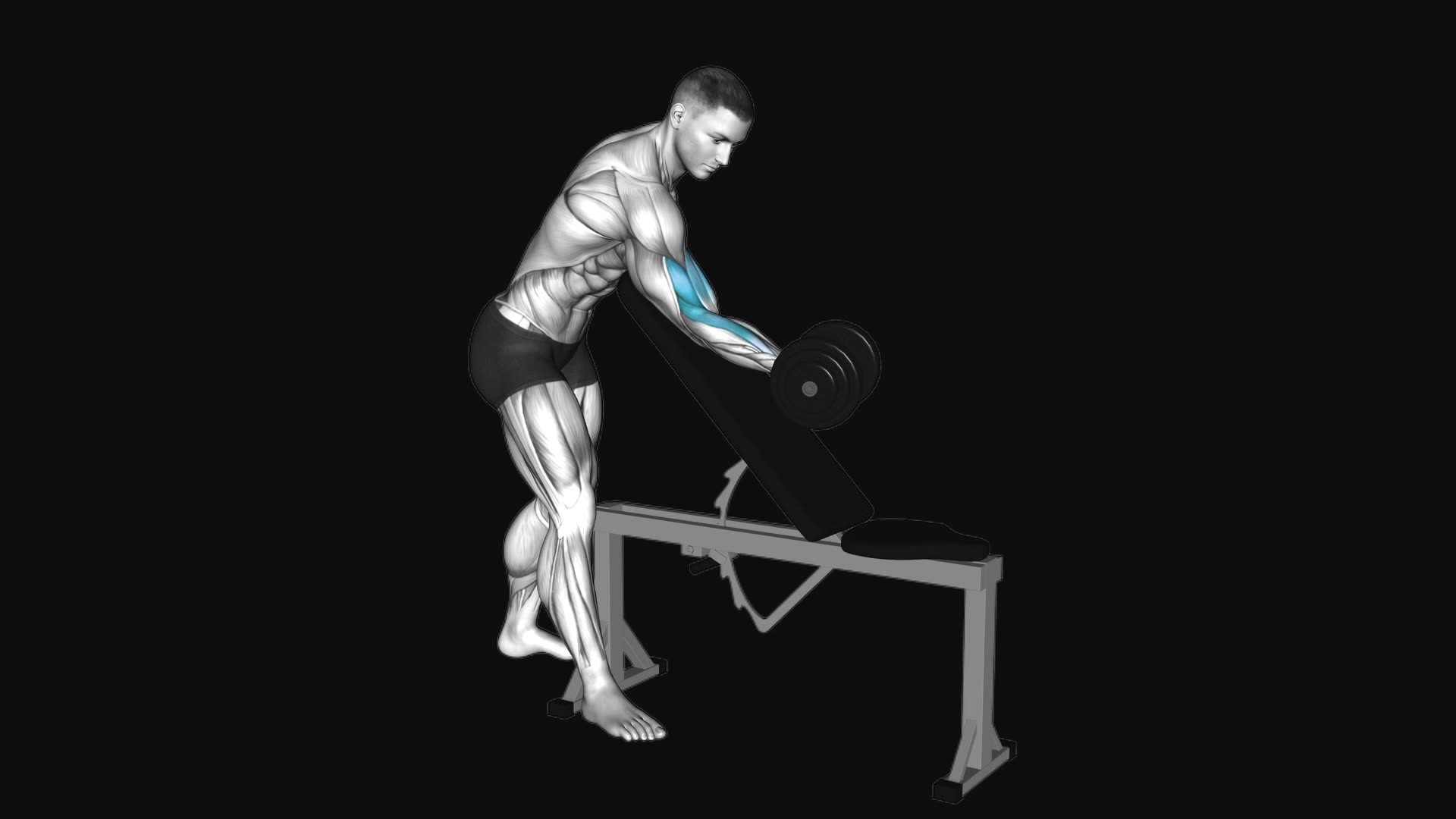
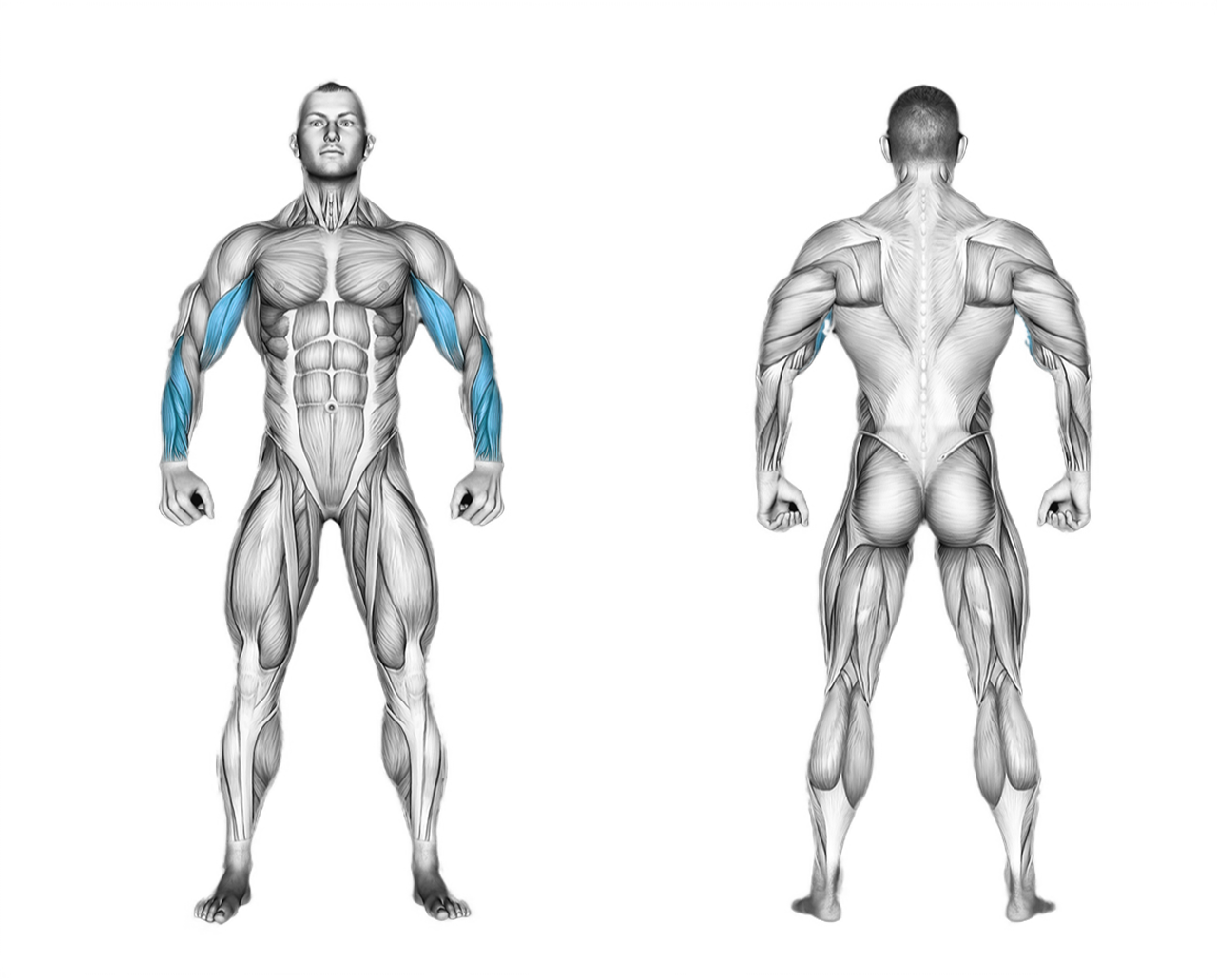
The barbell reverse curl is an isolation movement performed with a pronated grip to strengthen the upper arms and forearms. It specifically targets the brachioradialis and brachialis, making it an excellent accessory finisher on pull or arm days.
- Equipment
- Barbell
- Type
- Strength
- Animation
- Men and women
How to do it
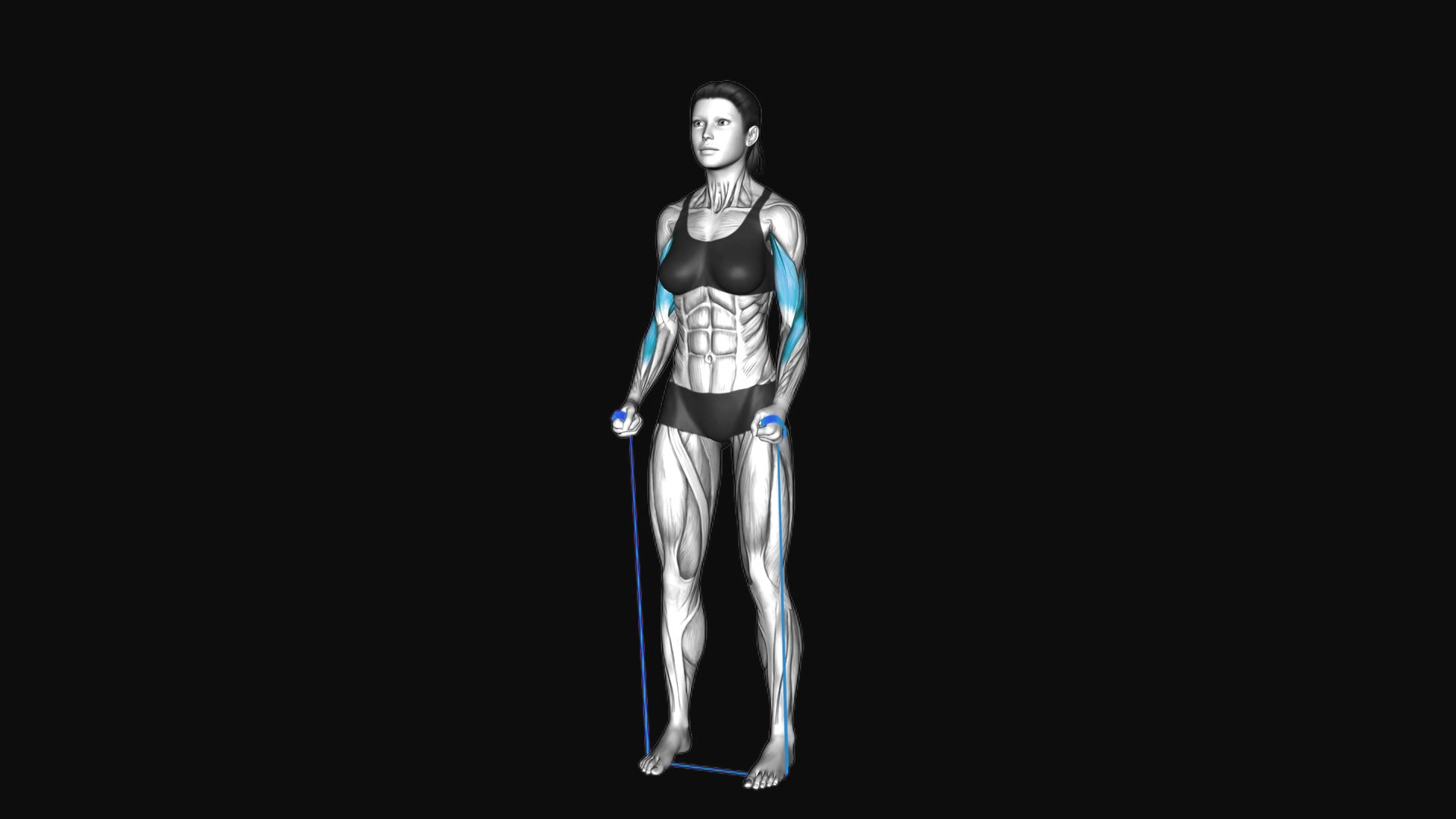
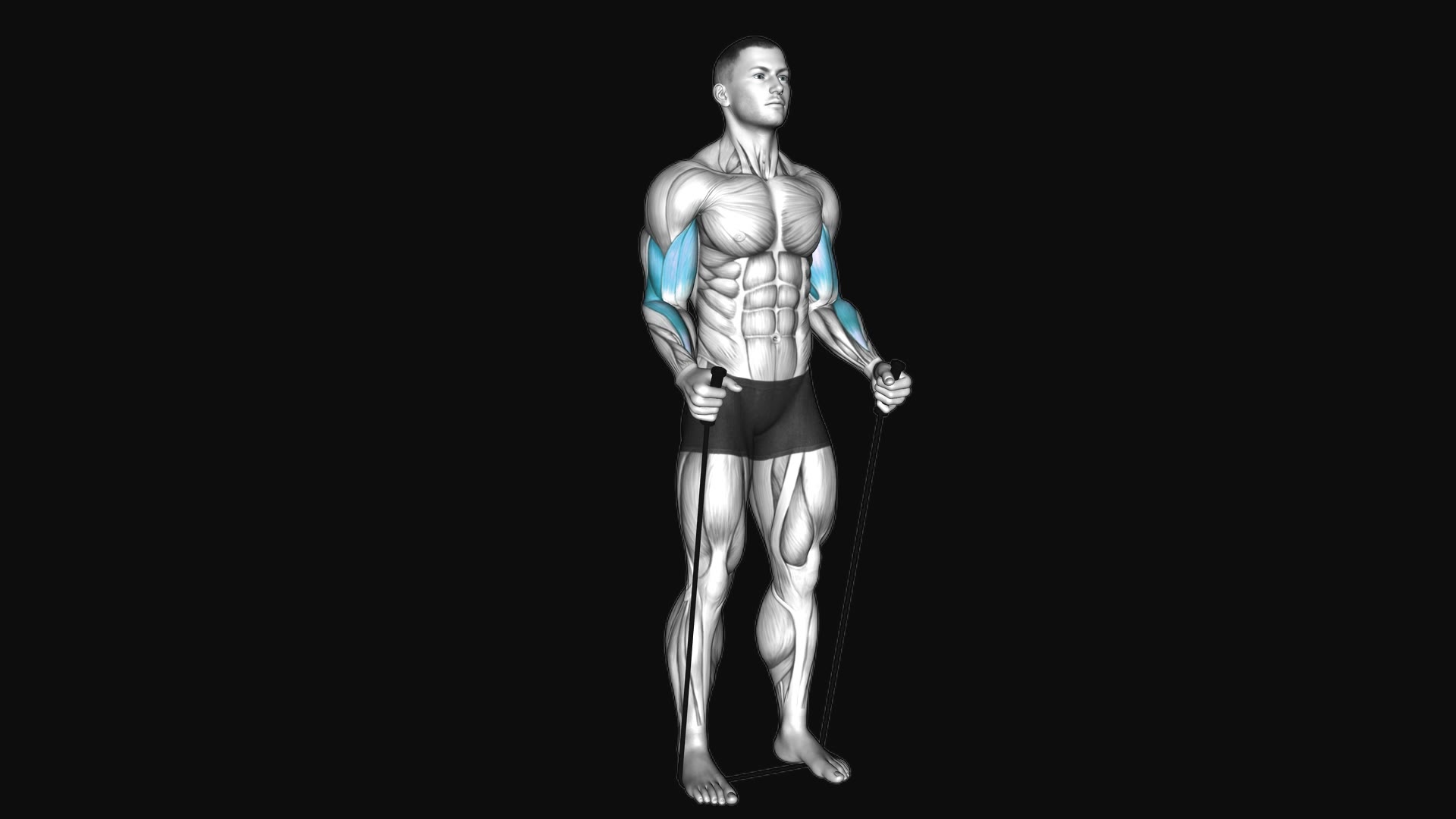
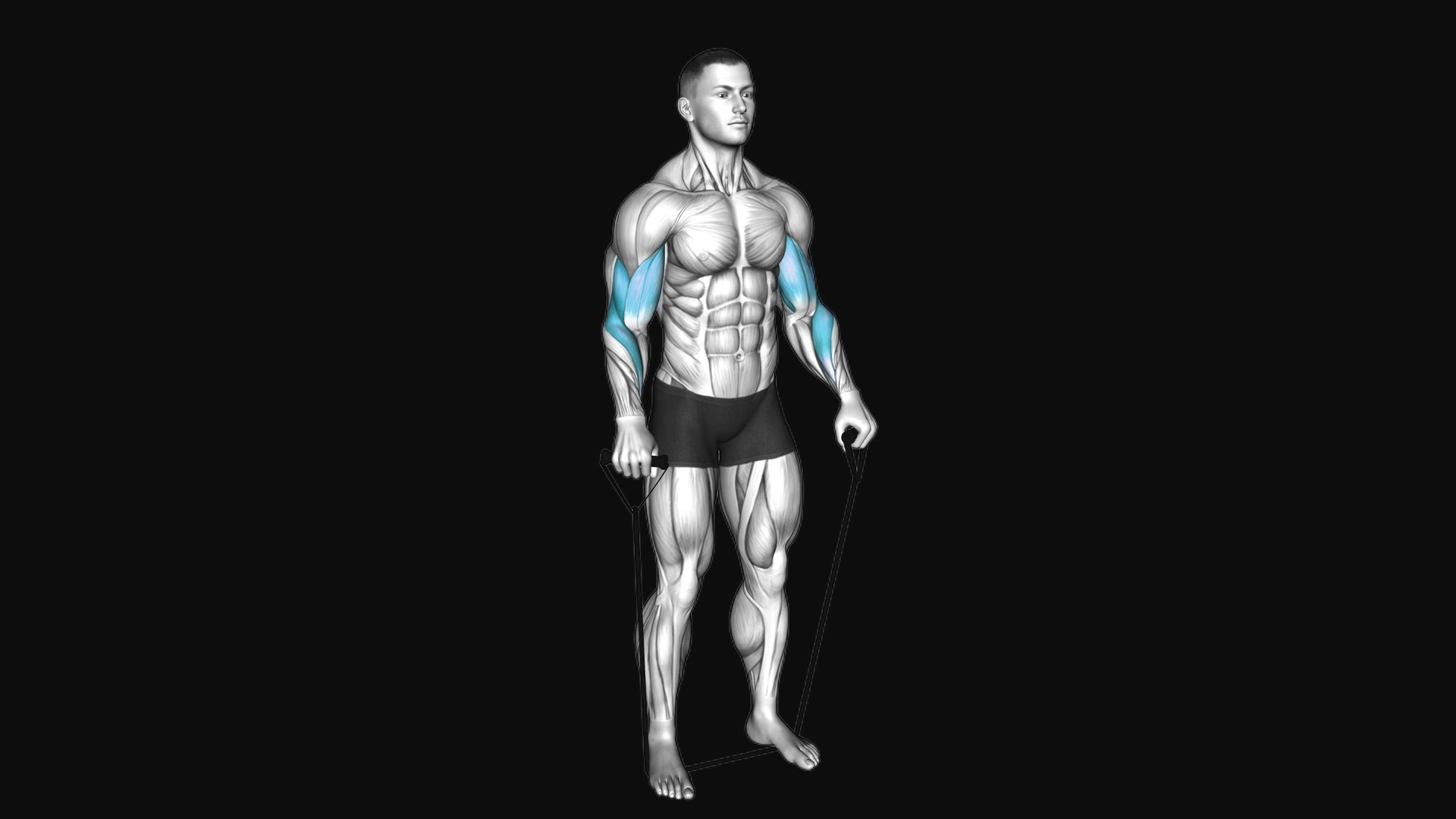
- Stand with your feet shoulder-width apart, holding a barbell with an overhand grip, hands at shoulder-width.
- Keep your elbows close to your torso and your upper arms stationary.
- Inhale and brace your core. Curl the barbell upwards by bending your elbows, focusing on using the muscles of your forearms.
- Lift the barbell until it is at chest level, ensuring that your wrists remain straight throughout the movement.
- Exhale as you slowly lower the barbell back to the starting position in a controlled manner.
Common mistakes
- Extending the wrists backward under load, which stresses the wrist joints and compromises grip integrity.
- Swinging the torso to create momentum, which removes continuous tension from the working muscles.
- Flaring the elbows outward during the curl, which takes emphasis away from the forearm flexors.
- Dropping the barbell rapidly on the eccentric phase, which misses out on valuable muscle-building tension.
Tips
- Switch to an EZ-curl bar if a straight barbell causes strain or discomfort in your wrists.
- Keep your wrists completely locked in a neutral position throughout the entire repetition.
- Pause for a brief moment at the top of the lift to maximize peak contraction in the brachioradialis.
Sets and reps
Perform 3 to 4 sets of 10 to 15 controlled repetitions to prioritize forearm and upper arm hypertrophy. Rest 60 to 90 seconds between sets.
Muscles worked
Your coach guides every set
Turn on the coach in Gloox: it asks how you feel, picks the weight from your history and cues technique and rest. Rate each set and the next one is tuned to you.

On a computer? Point your phone's camera here to get the app.
Questions
Which muscles do reverse curls work compared to standard curls?
The overhand grip places primary mechanical load on the brachioradialis in the forearm and the underlying brachialis, rather than the biceps brachii.
What should you do if your wrists hurt while doing this exercise?
Reduce the weight or switch to an EZ-curl bar; if pain persists, stop the exercise and consult a specialist.