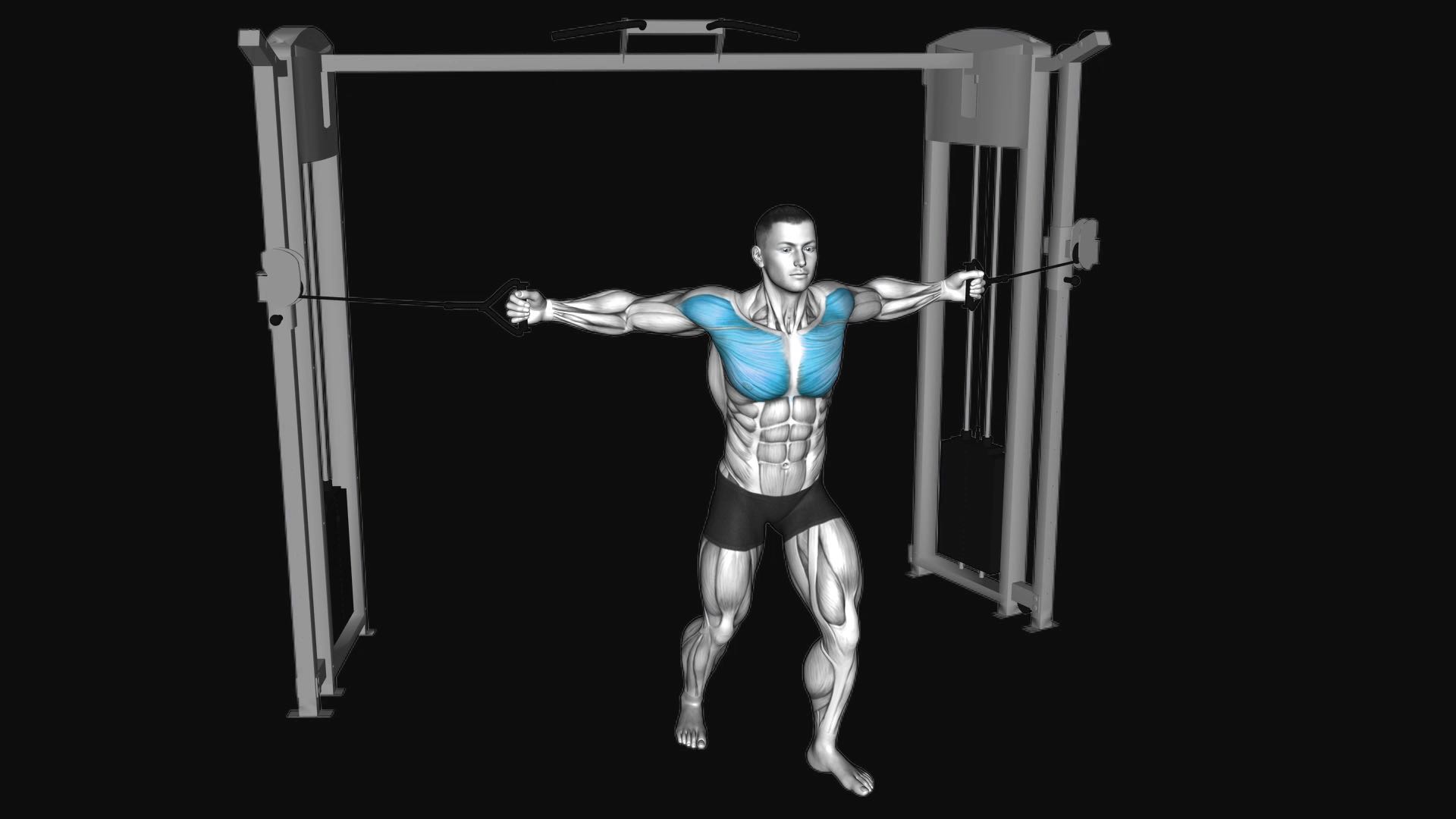
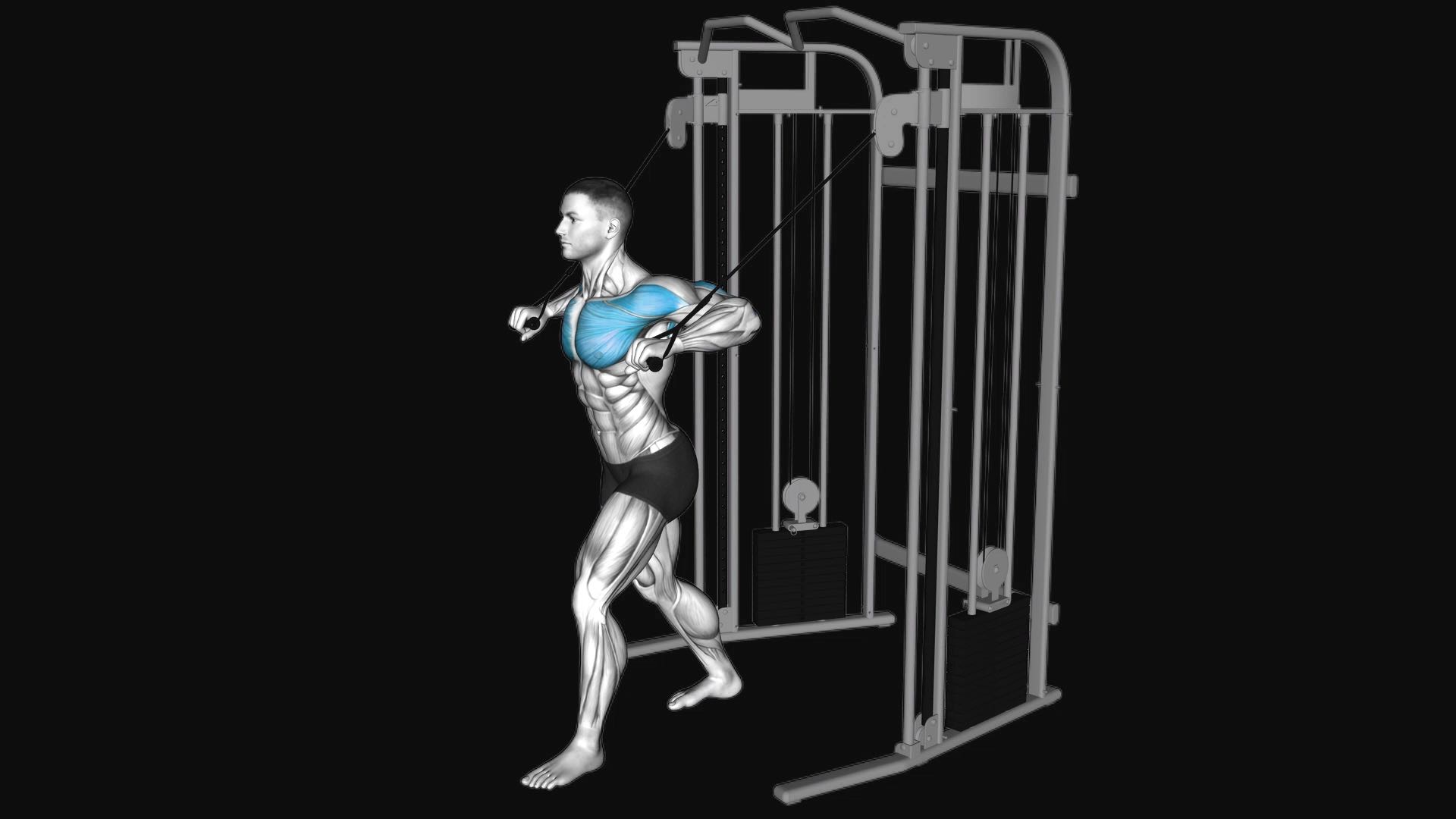
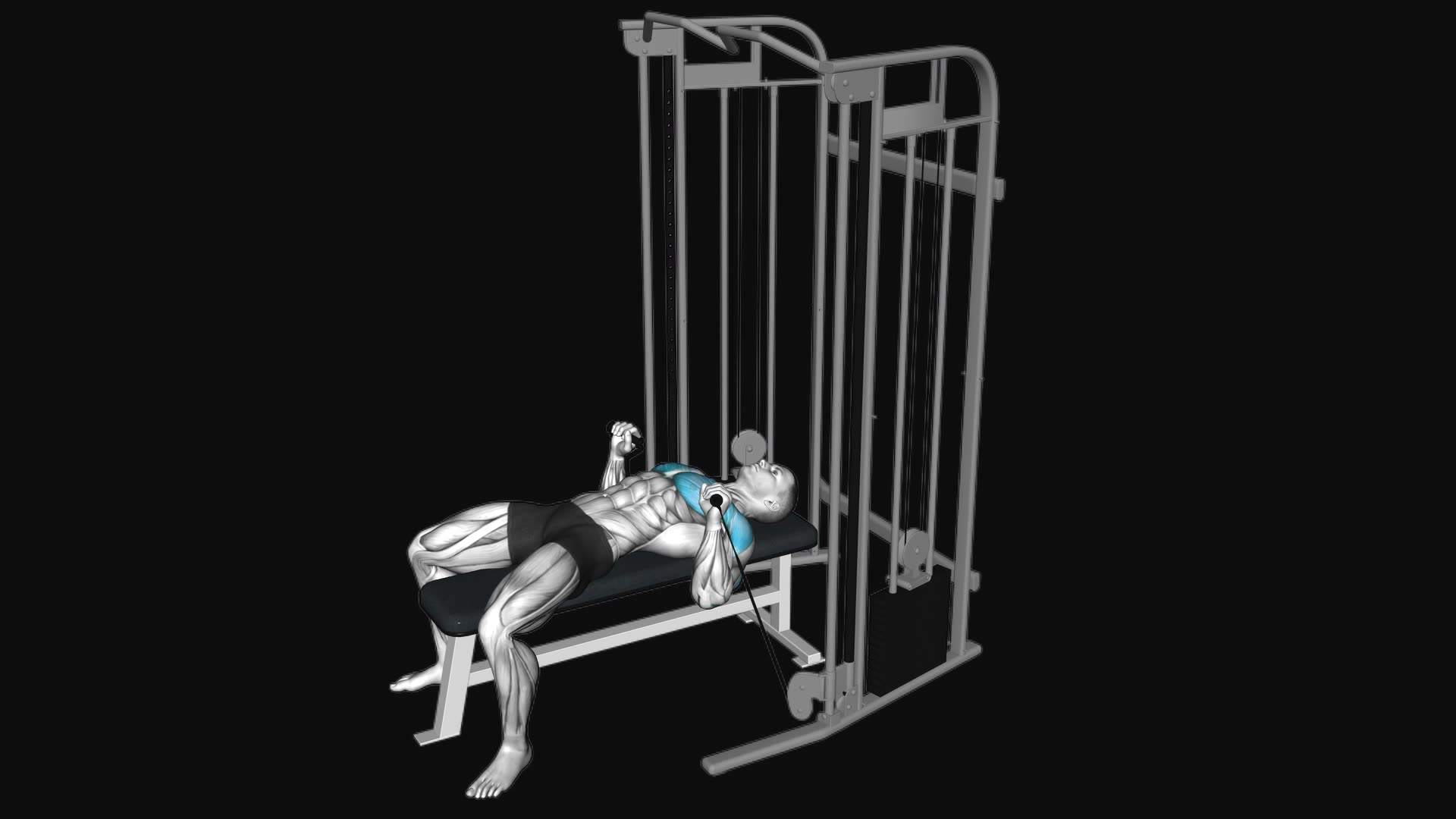
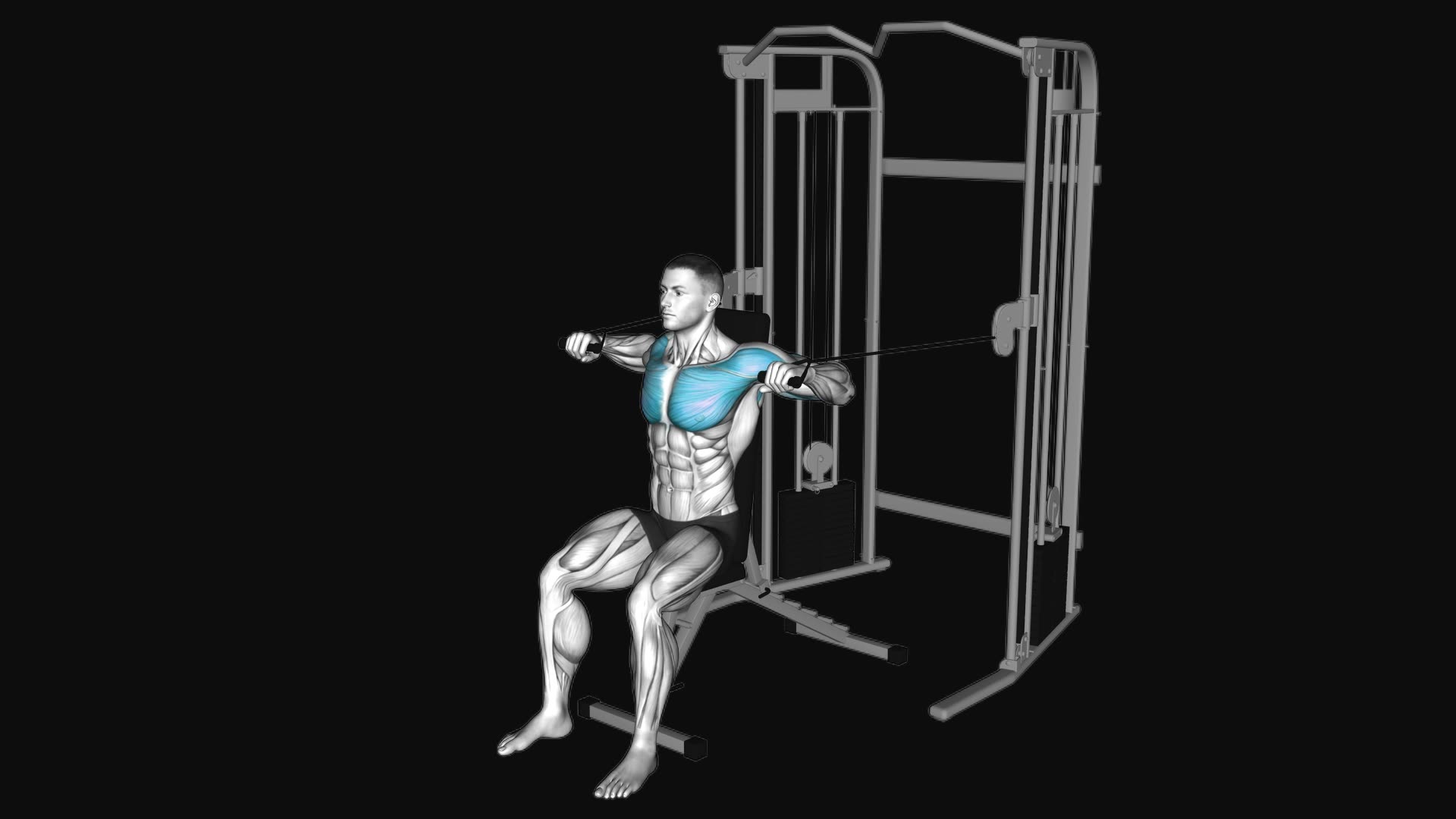
Chest · Cable machine
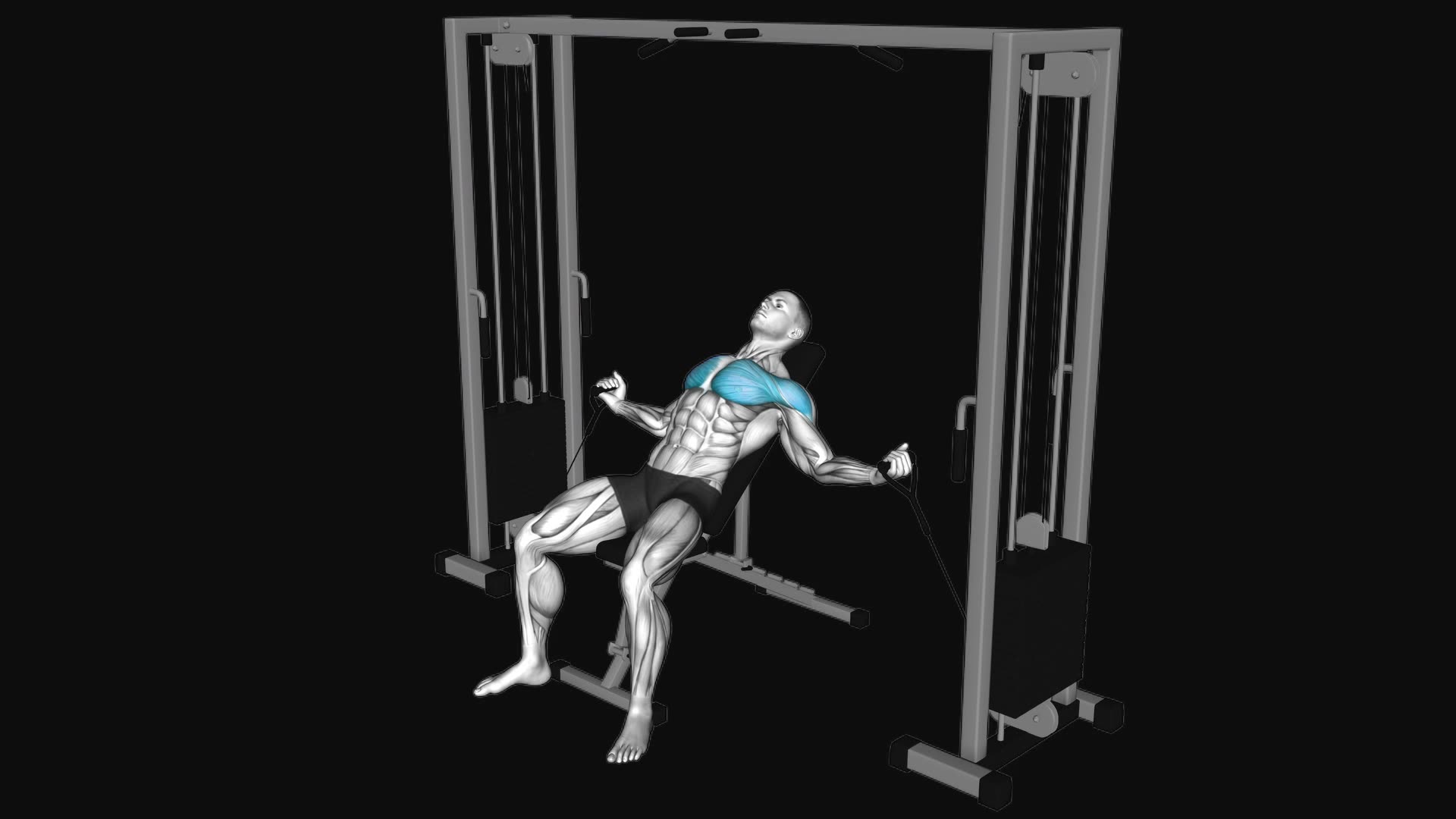
Cable Incline Bench Press
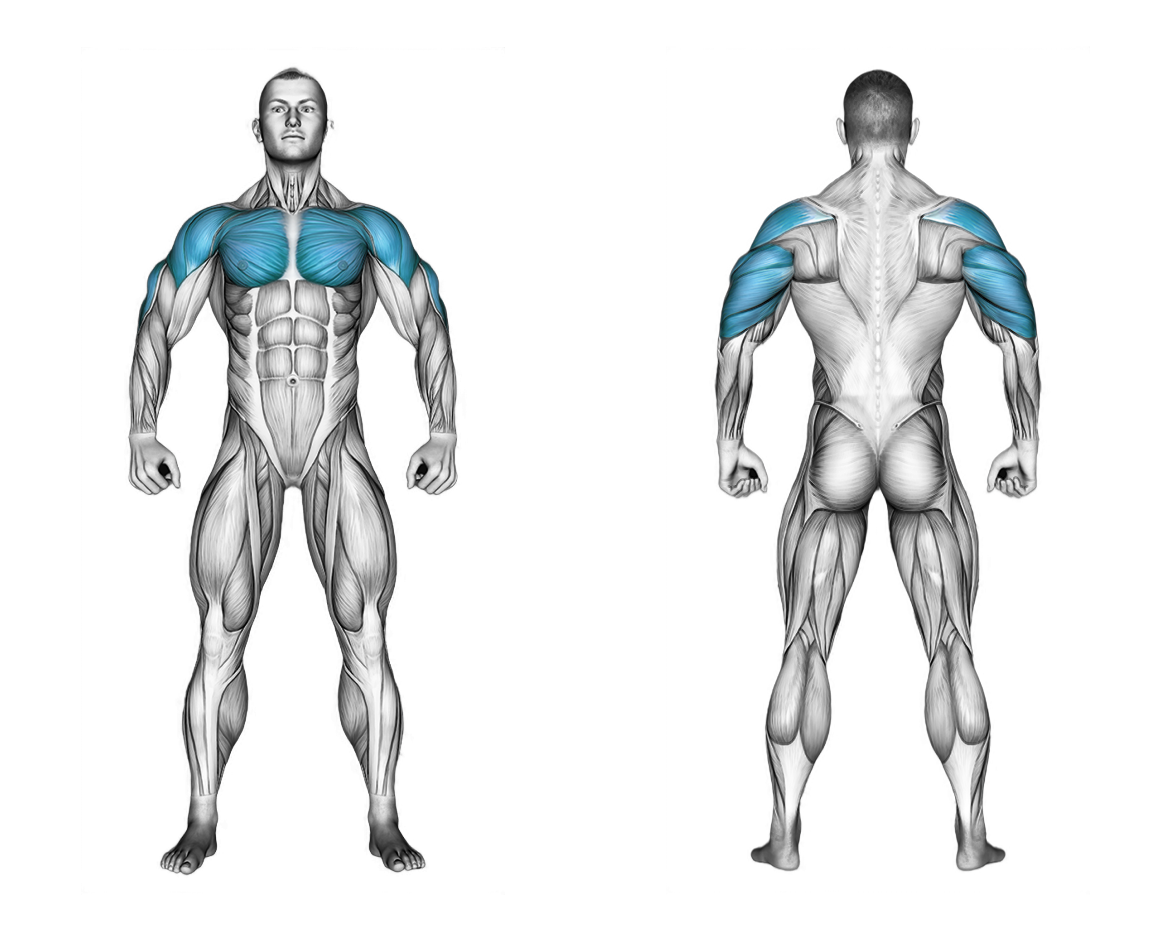
The cable incline bench press is a multi-joint pressing variation that targets the upper portion of the pectoralis major under continuous cable tension. It works well as a secondary compound movement on push or chest days for lifters seeking targeted chest hypertrophy with reduced joint strain.
- Muscles
- Chest
- Equipment
- Cable machine
- Type
- Strength
- Animation
- Men
How to do it
- Set an incline bench in front of a cable machine.
- Grab the cable handles and lie back on the bench.
- Position your hands at chest level with elbows bent.
- Press the handles upward and together until your arms are fully extended.
- Lower back down with control to chest level.
Common mistakes
- Setting the bench angle too steep shifts the primary workload from the upper chest onto the anterior deltoids.
- Flaring the elbows excessively wide places unnecessary stress on the shoulder joint capsules.
- Allowing the handles to pull too far back at the bottom overstretches the shoulders under load.
- Forcefully locking out the elbows at the top removes tension from the pectorals.
Tips
- Set the bench between 30 and 45 degrees to optimize upper chest recruitment while protecting the shoulders.
- Press along a slight inward arc to maximize the contraction of the pectoral fibers at the top.
- Keep your shoulder blades retracted and firmly planted against the pad throughout each repetition.
Sets and reps
For muscle growth, perform 3 to 4 sets of 8 to 12 repetitions. Rest 60 to 90 seconds between sets to maintain high movement quality.
Muscles worked
Your coach guides every set
Turn on the coach in Gloox: it asks how you feel, picks the weight from your history and cues technique and rest. Rate each set and the next one is tuned to you.

On a computer? Point your phone's camera here to get the app.
Questions
How does this exercise differ from an incline dumbbell press?
The cables maintain lateral resistance throughout the entire range of motion, providing continuous tension at peak contraction where dumbbells typically lose load.
What should you do if you feel pain in the front of your shoulder?
Stop the exercise immediately, adjust the bench to a lower angle, and consult a qualified specialist if the pain persists.