Chest · Cable machine
Cable Alternative Fly
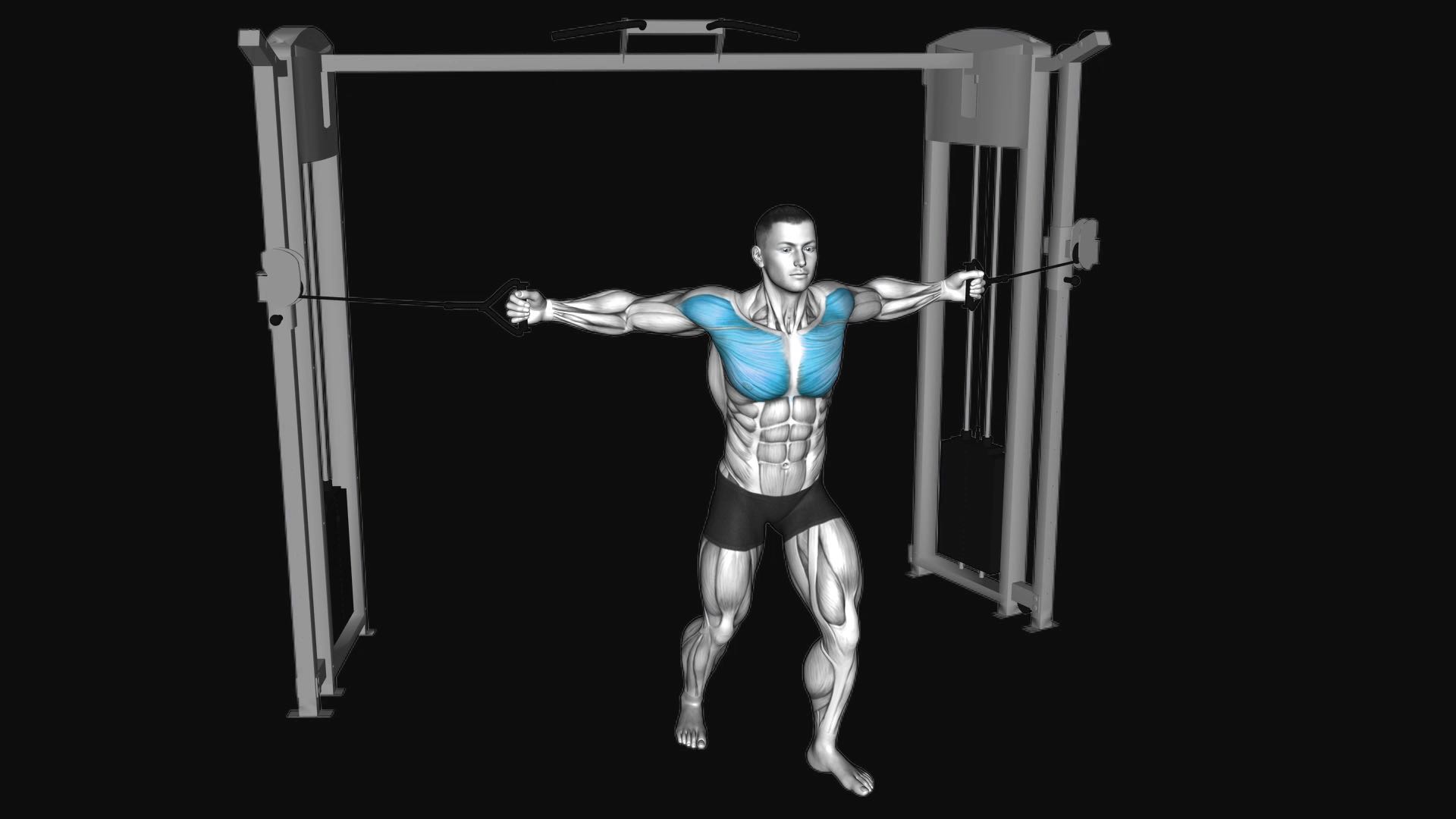
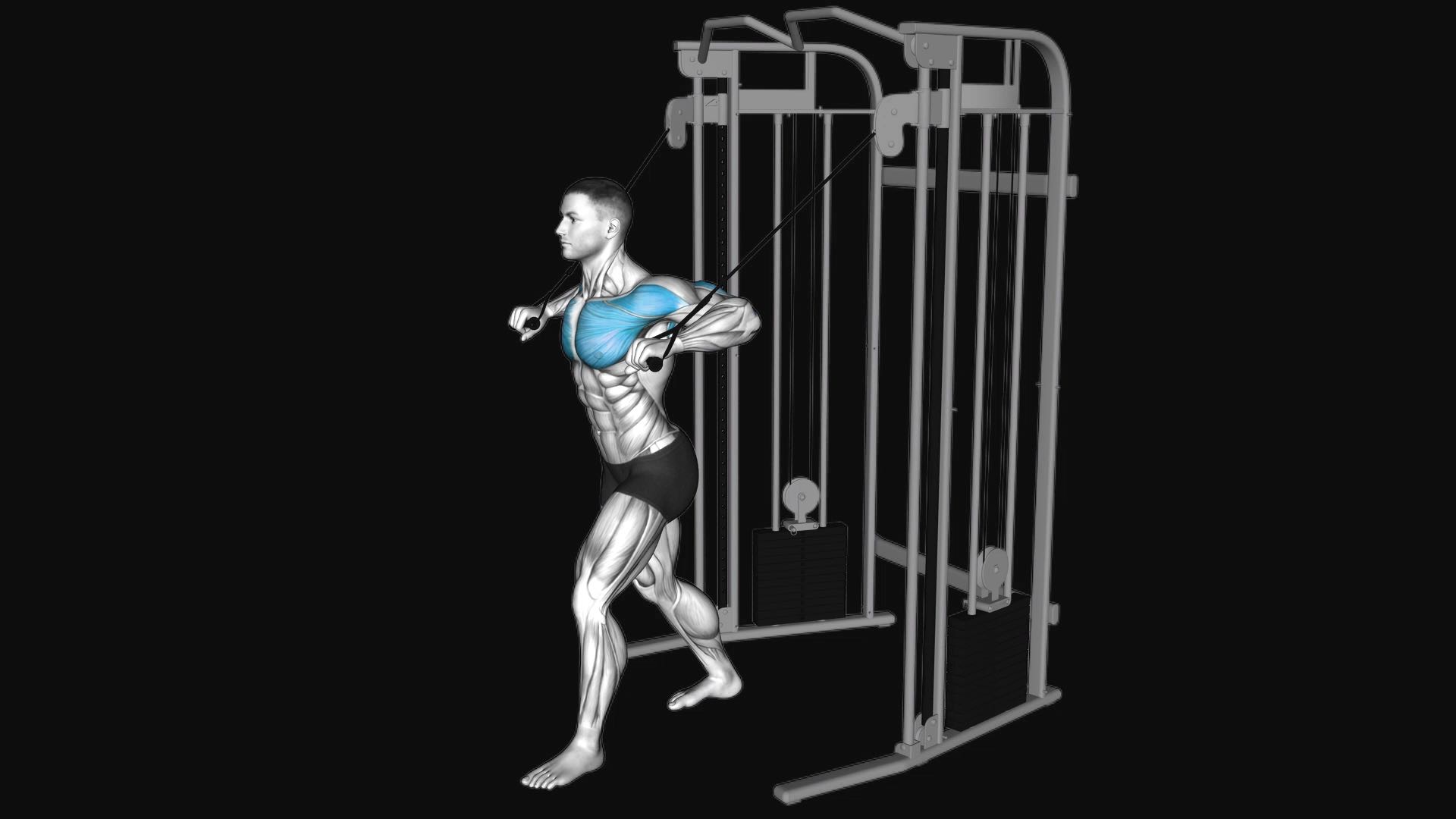
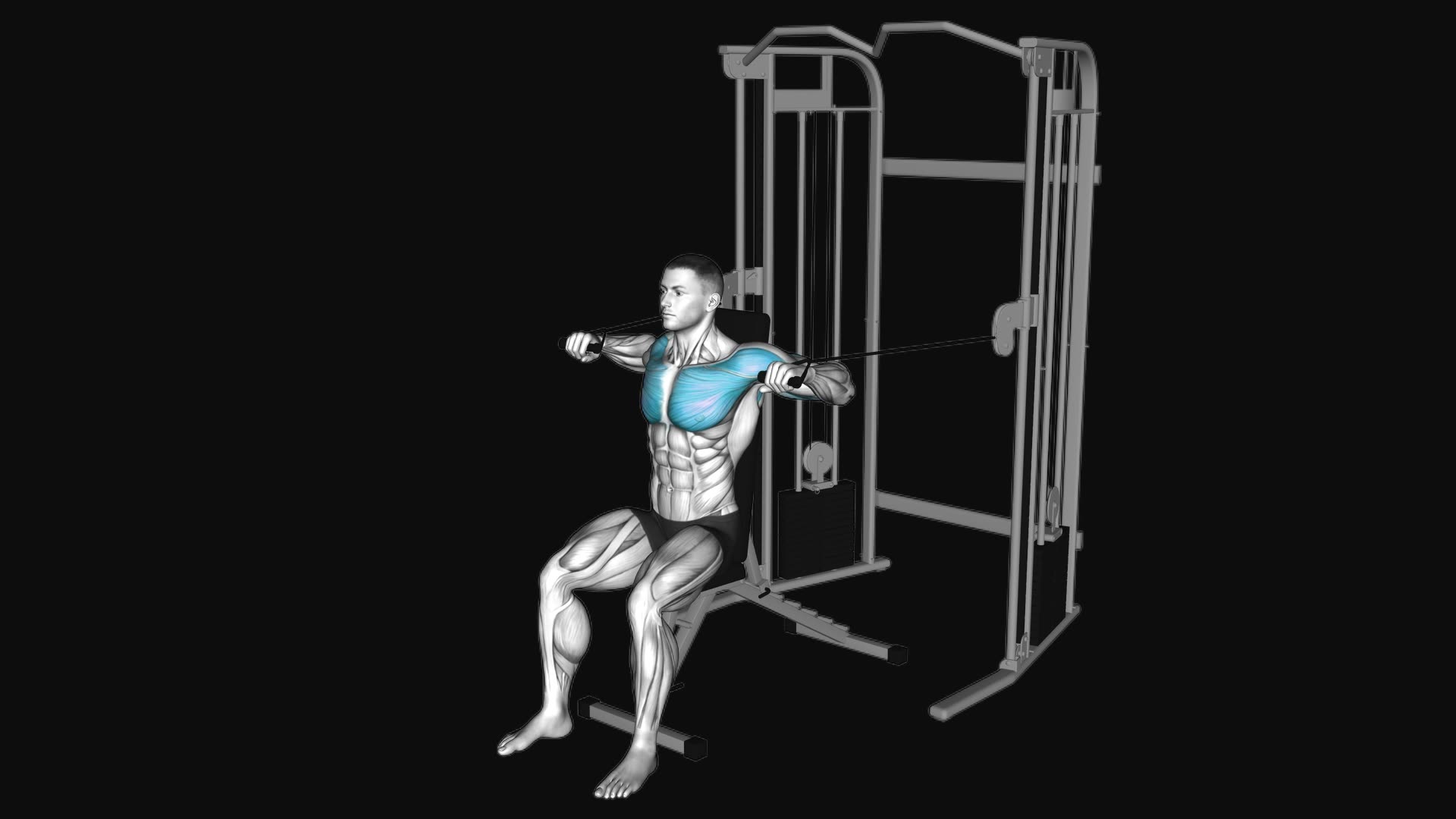
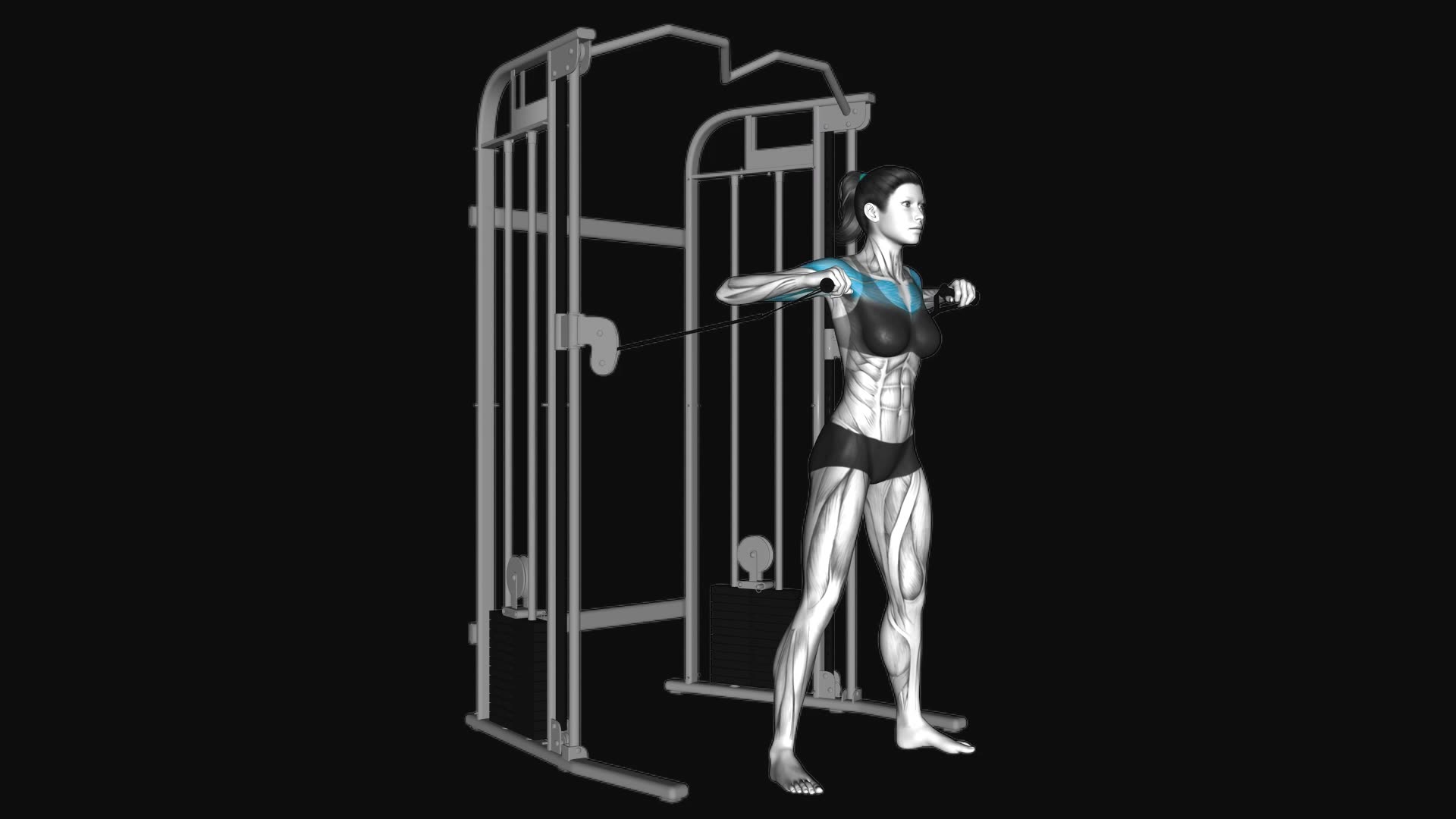
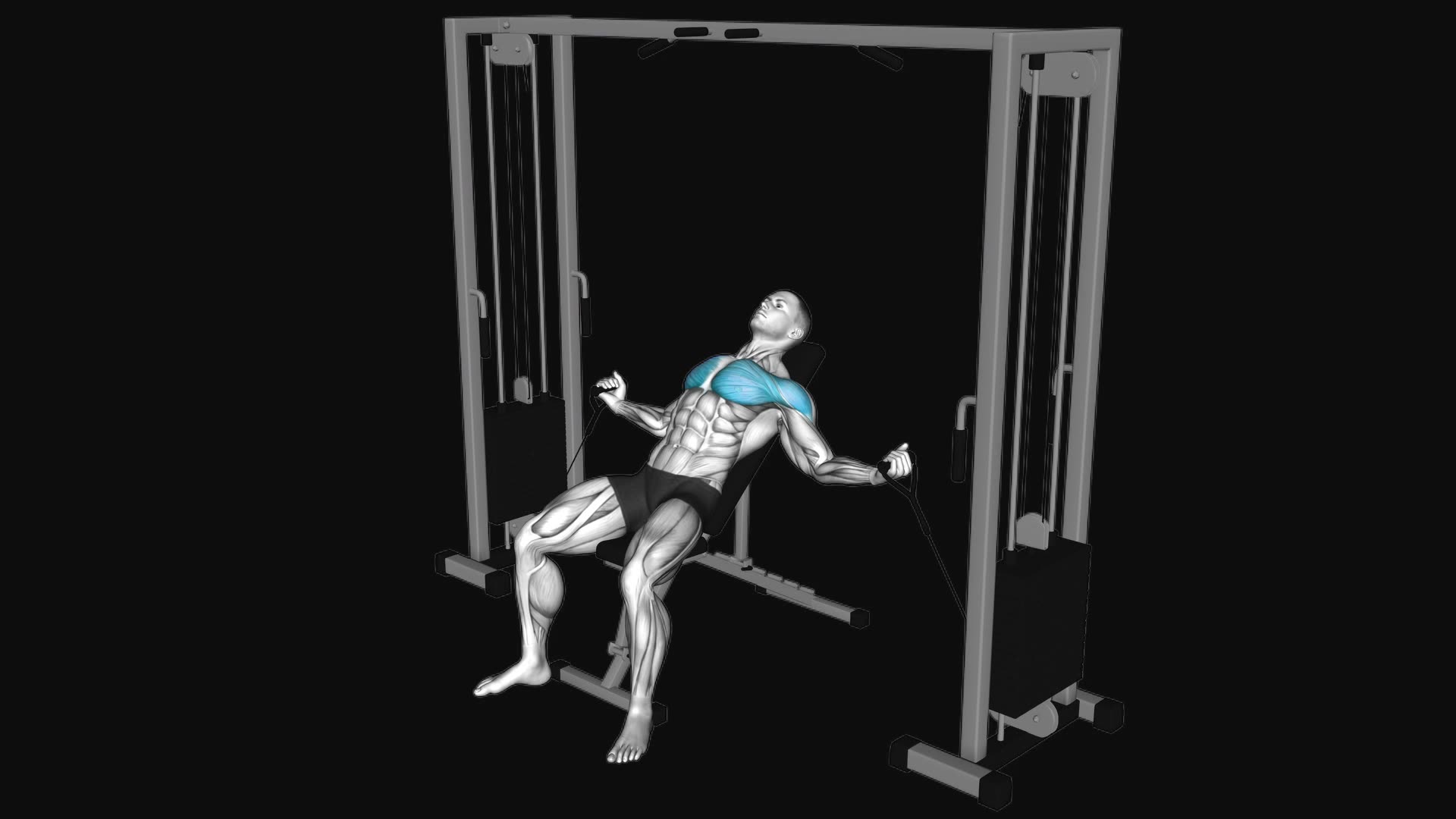
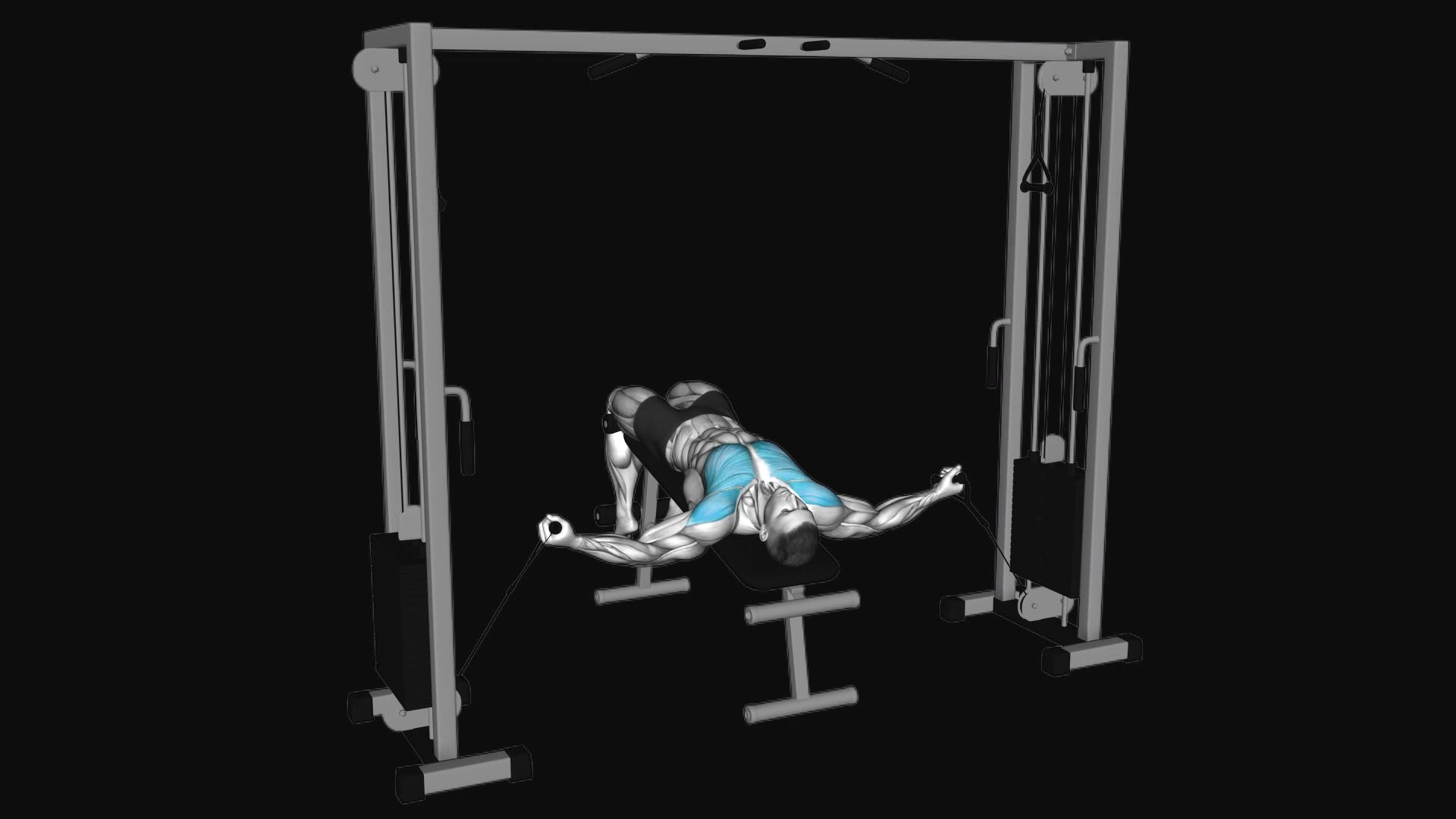
The cable alternative fly with crossed cables is an isolation exercise designed to target the pectoral muscles across a continuous tension curve. It suits lifters of all experience levels and fits best toward the end of a chest workout for a focused pump and deep stretch.
- Muscles
- Chest
- Equipment
- Cable machine
- Type
- Strength
- Animation
- Men
How to do it
- Stand between two cable pulleys set at chest height.
- Grab the handles with opposite hands (right hand grabs left handle, left hand grabs right handle).
- Step forward to create tension.
- Press the handles forward and together in front of your chest.
- Return to the starting position with control, feeling a stretch in your chest.
Common mistakes
- Locking out the elbows shifts mechanical tension away from the chest and onto the elbow joints.
- Using torso momentum to swing the weight forward diminishes chest activation and destabilizes the spine.
- Letting the arms travel too far back during the eccentric phase places excessive strain on the shoulder capsule.
Tips
- Maintain a slight, fixed bend in your elbows throughout the entire range of motion.
- Pause for a second at peak contraction in front of your chest to maximize muscle recruitment.
- Adopt a stable staggered stance with a gentle forward torso lean to keep your balance.
Sets and reps
Perform 3–4 sets of 10–15 controlled reps with 60–90 seconds of rest to optimize muscle hypertrophy.
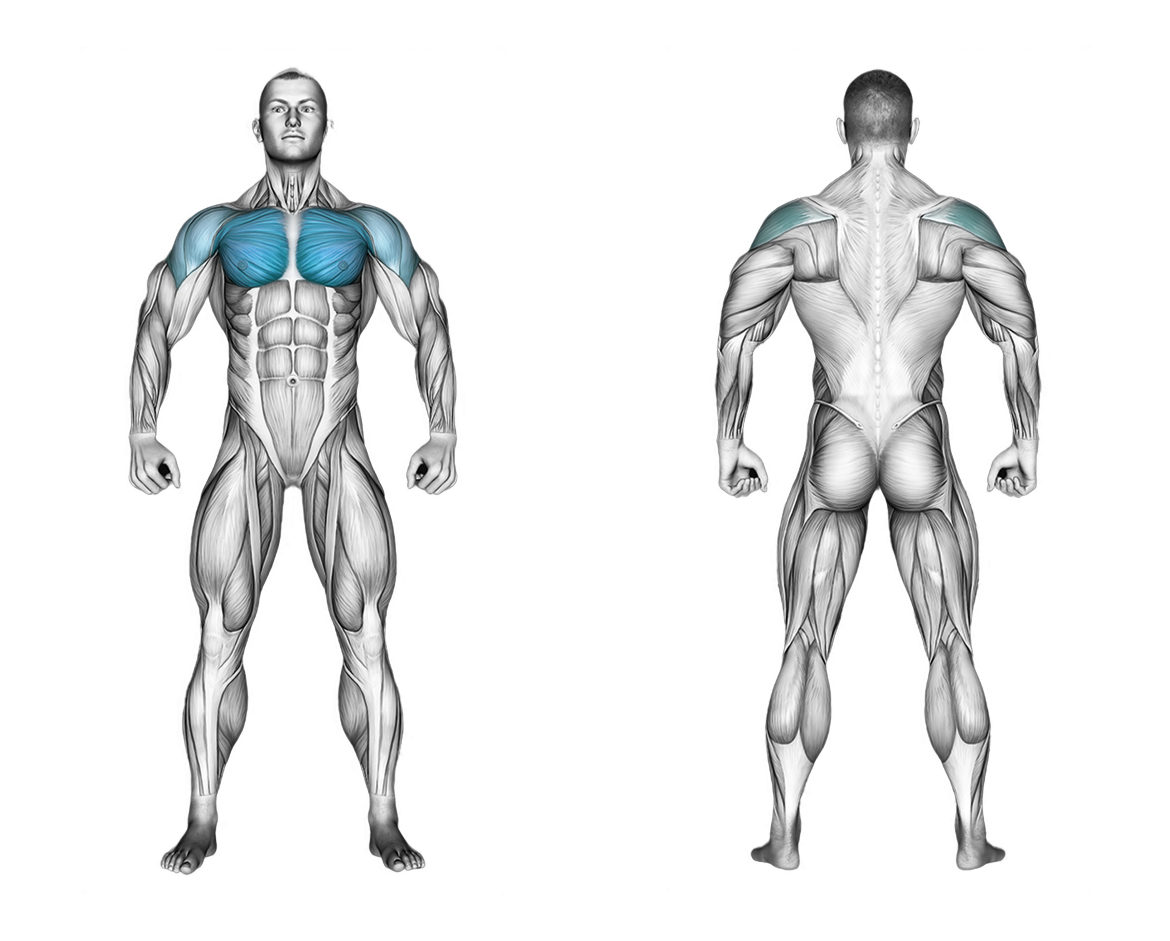
Muscles worked
Your coach guides every set
Turn on the coach in Gloox: it asks how you feel, picks the weight from your history and cues technique and rest. Rate each set and the next one is tuned to you.

On a computer? Point your phone's camera here to get the app.
Questions
How does crossing the cables differ from standard cable flyes?
Crossing the cables alters the line of pull, creating an enhanced initial stretch and consistent tension through maximum contraction.
Can dumbbell flyes replace this cable exercise?
Dumbbell flyes provide a similar stretch, but cables maintain continuous resistance throughout the movement, especially at the peak squeeze.