Chest · Barbell
Barbell Incline Bench Press
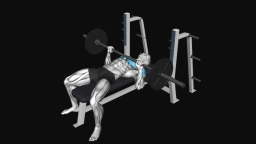
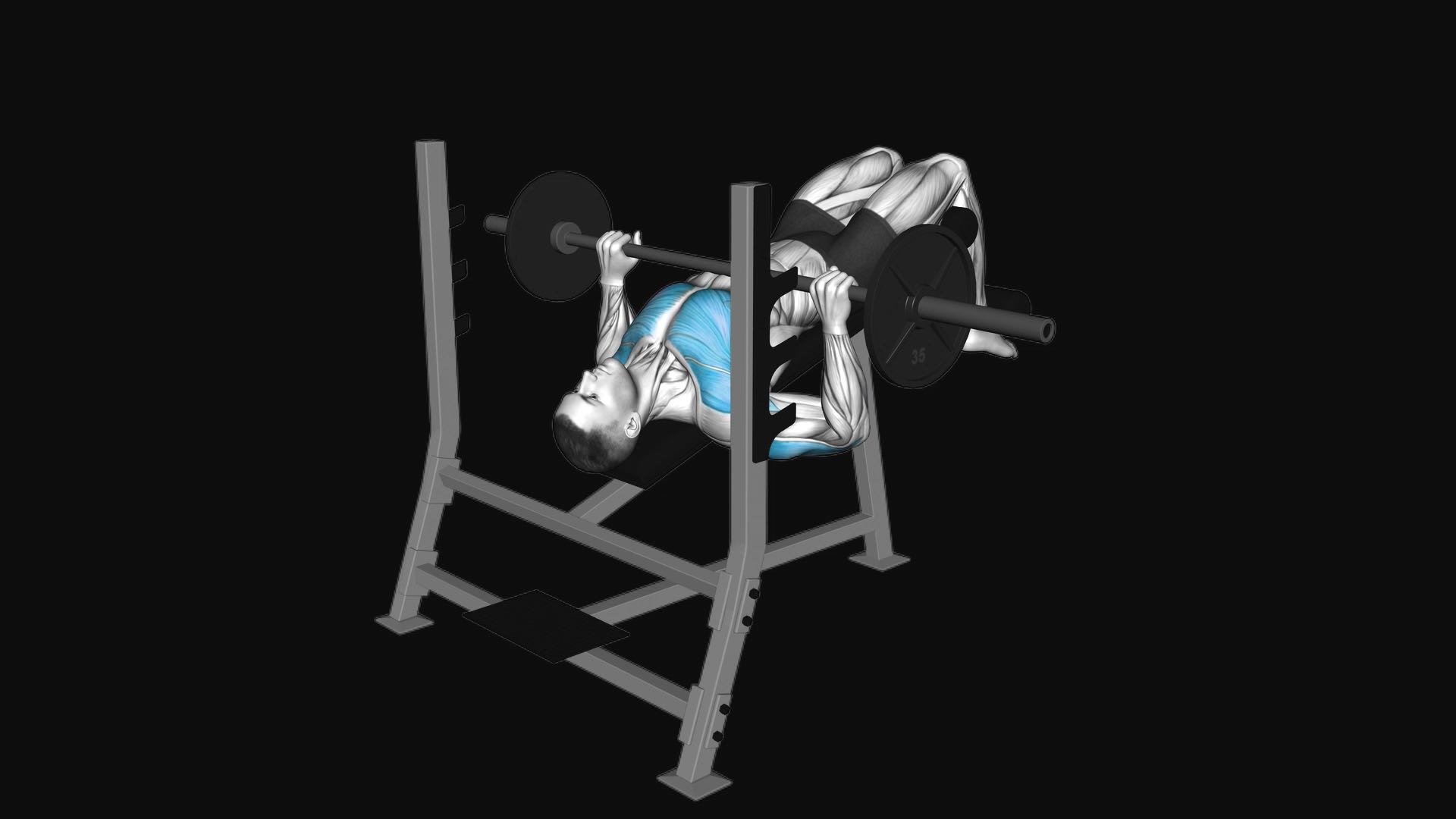
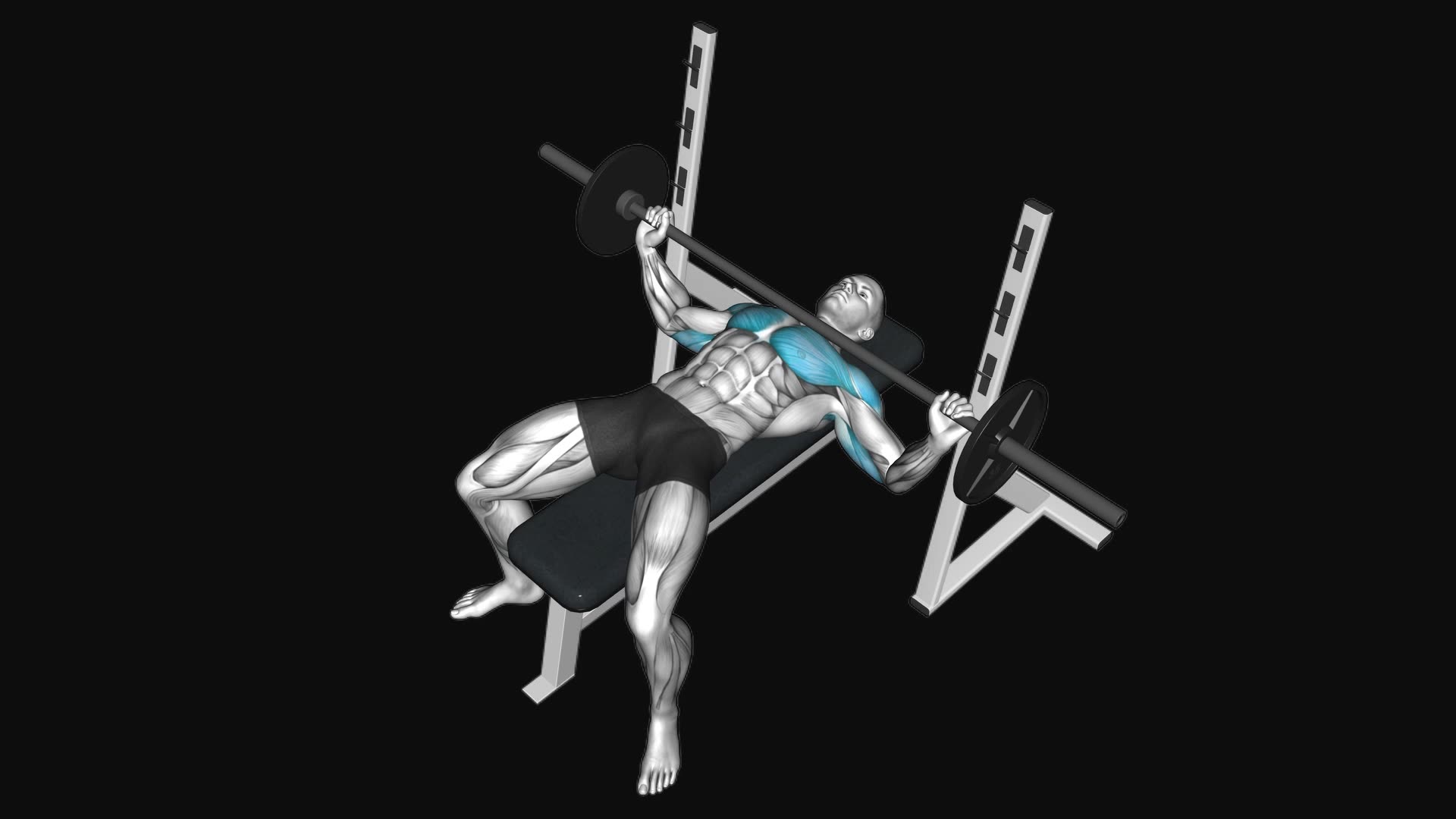
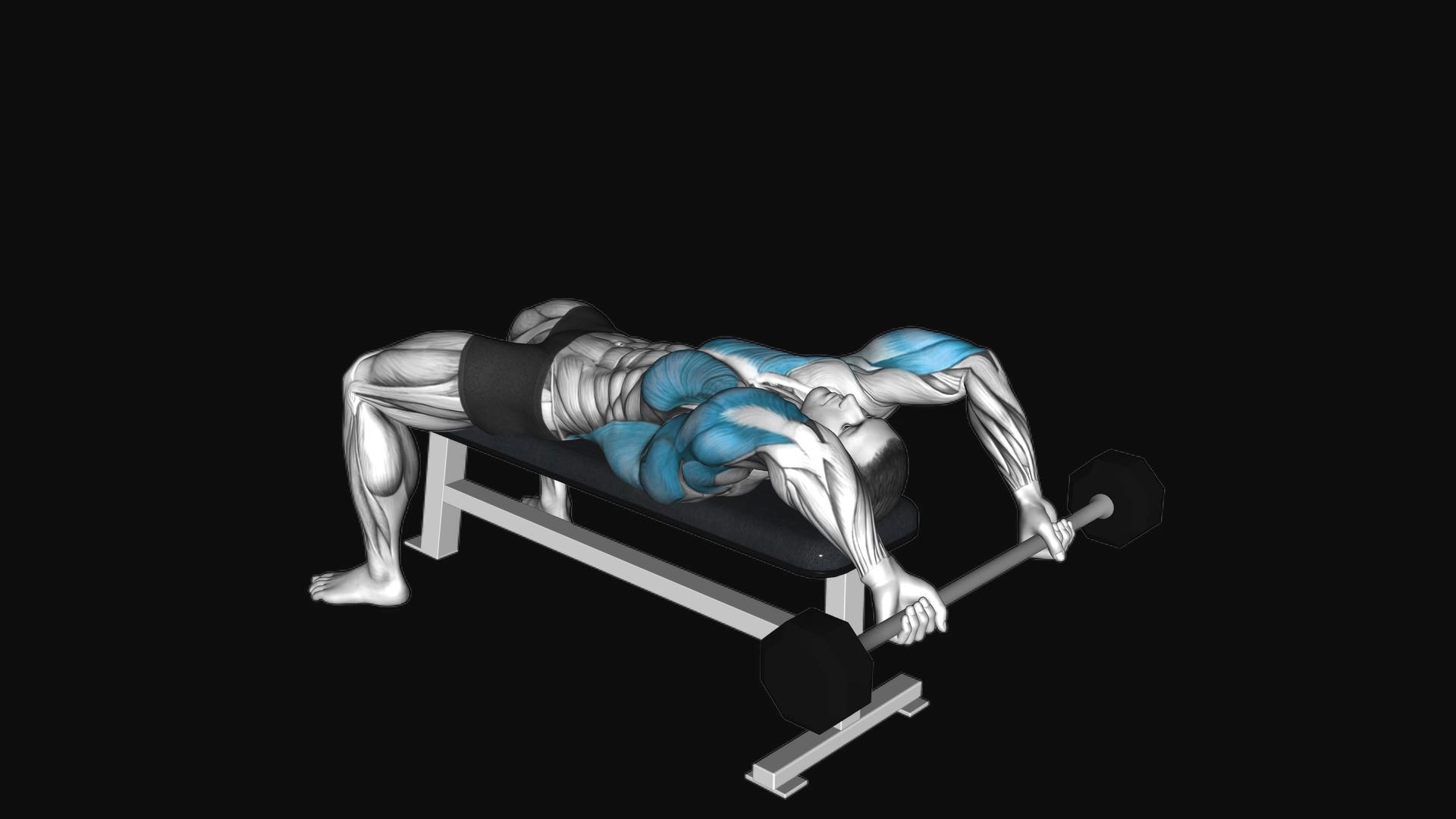
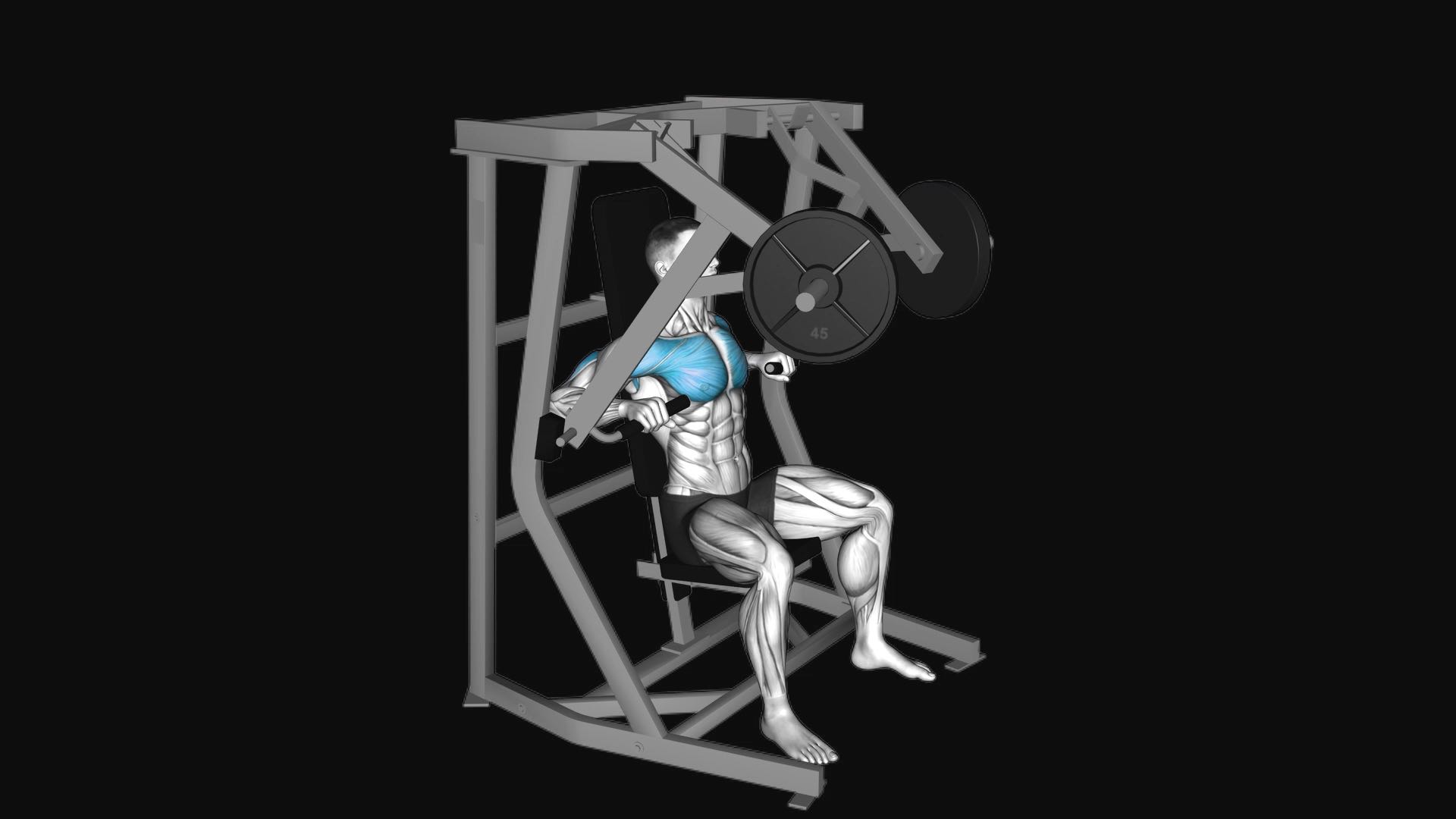
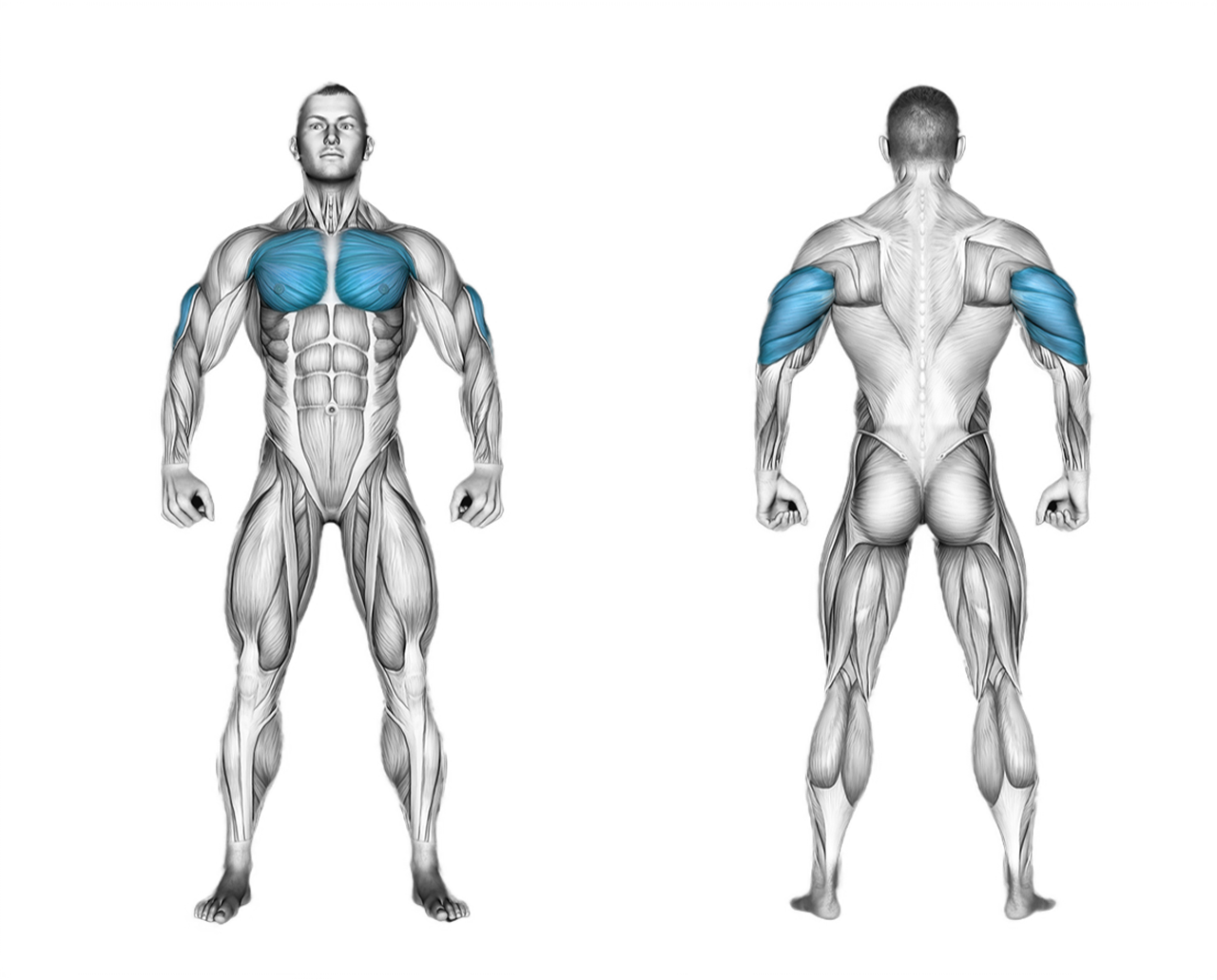
The barbell incline bench press is a compound upper-body exercise that targets the clavicular head of the pectoralis major, the anterior deltoids, and the triceps. It is typically performed early in a chest or push session to build upper-chest fullness and horizontal pressing strength.
How to do it
- Lie back on an incline bench set at about a 45-degree angle. Plant your feet firmly on the ground.
- Grip the barbell with an overhand grip, hands slightly wider than shoulder-width apart.
- Inhale and slowly lower the barbell to your upper chest, keeping your elbows at about a 45-degree angle from your body.
- As the barbell touches your chest, keep your wrists straight and your forearms perpendicular to the floor.
- Exhale as you press the barbell back up to the starting position, fully extending your arms and engaging your upper chest muscles.
Common mistakes
- Setting the bench angle higher than 45 degrees shifts the mechanical workload away from the upper chest and onto the front delts.
- Flaring the elbows out at 90 degrees places excessive shear stress on the shoulder capsule and increases the risk of impingement.
- Bouncing the bar off the chest uses momentum to clear the bottom position and risks injury to the sternum.
- Lifting the hips off the bench flattens your torso angle, turning the exercise into a flat bench press.
Tips
- Retract and depress your shoulder blades against the bench before unracking to build a rigid pressing foundation.
- Lower the bar toward the upper chest just below the collarbones, keeping your forearms vertical to the floor.
- Keep your wrists straight and stacked over your elbows to maximize force transfer and protect the wrist joints.
Sets and reps
For maximal strength, work with 3 to 5 sets of 4 to 6 reps resting 2 to 3 minutes; for hypertrophy, use 3 to 4 sets of 8 to 12 reps with 90 to 120 seconds of rest.
Muscles worked
Your coach guides every set
Turn on the coach in Gloox: it asks how you feel, picks the weight from your history and cues technique and rest. Rate each set and the next one is tuned to you.

On a computer? Point your phone's camera here to get the app.
Questions
What is the best bench angle for targeting the upper chest?
An incline between 30 and 45 degrees offers the best balance of upper-pectoral recruitment while keeping shoulder strain low.
What should you do if the exercise causes front shoulder pain?
Try lowering the bench angle to 30 degrees and tucking your elbows slightly closer to your torso; if pain continues, stop the movement and consult a healthcare professional.