Chest · Barbell
Barbell Decline Bench Press
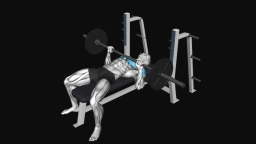
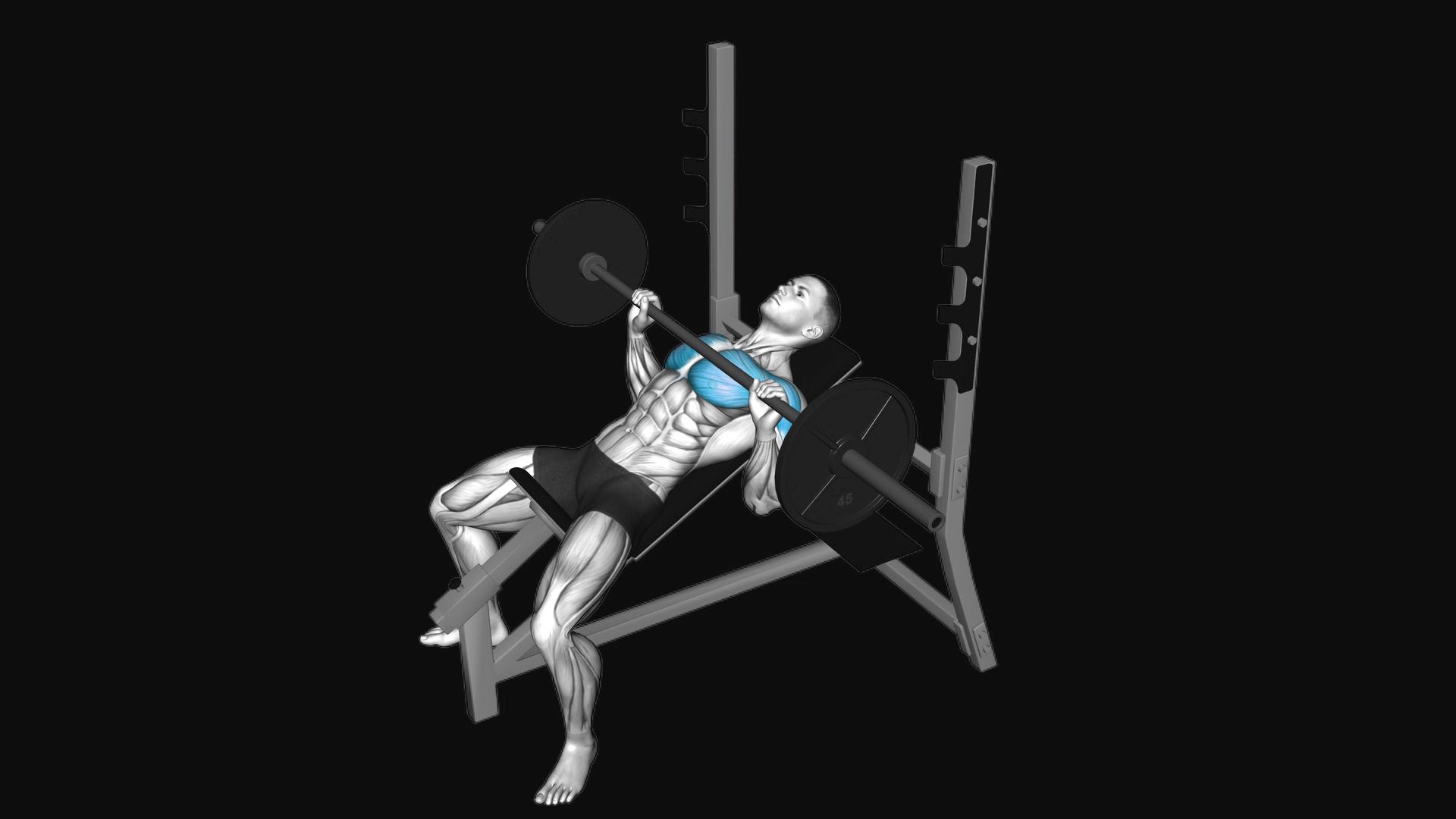
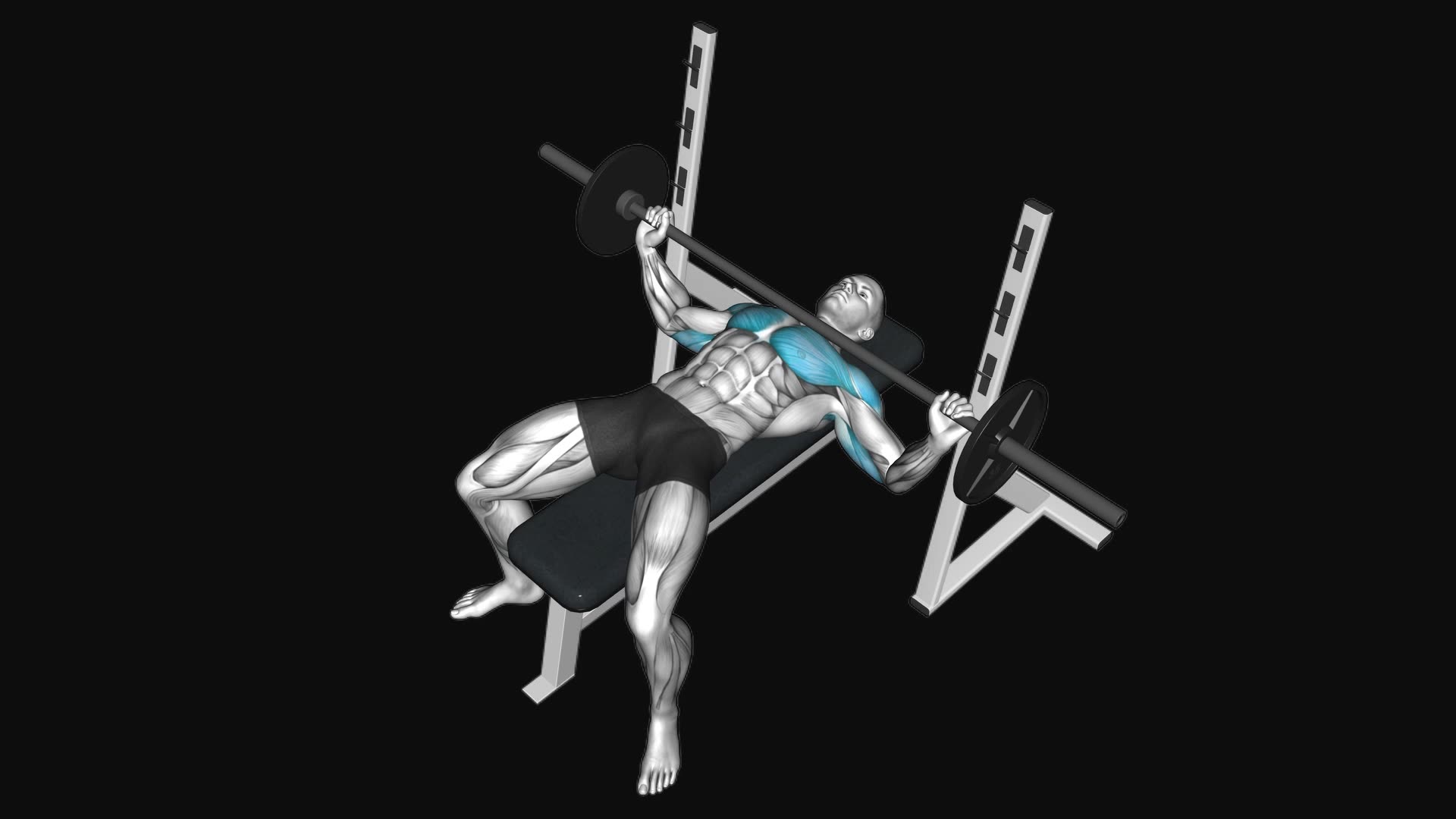
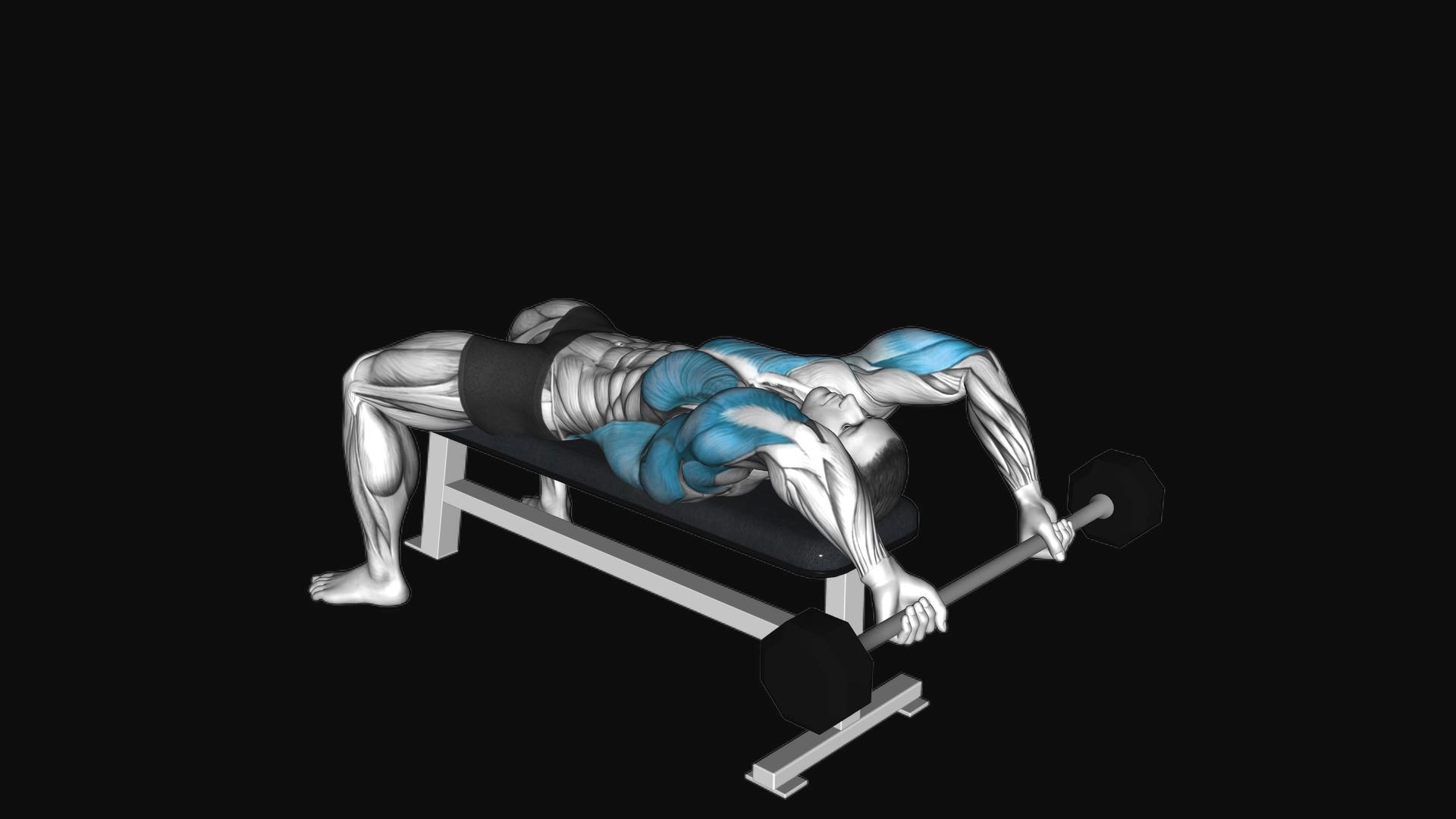
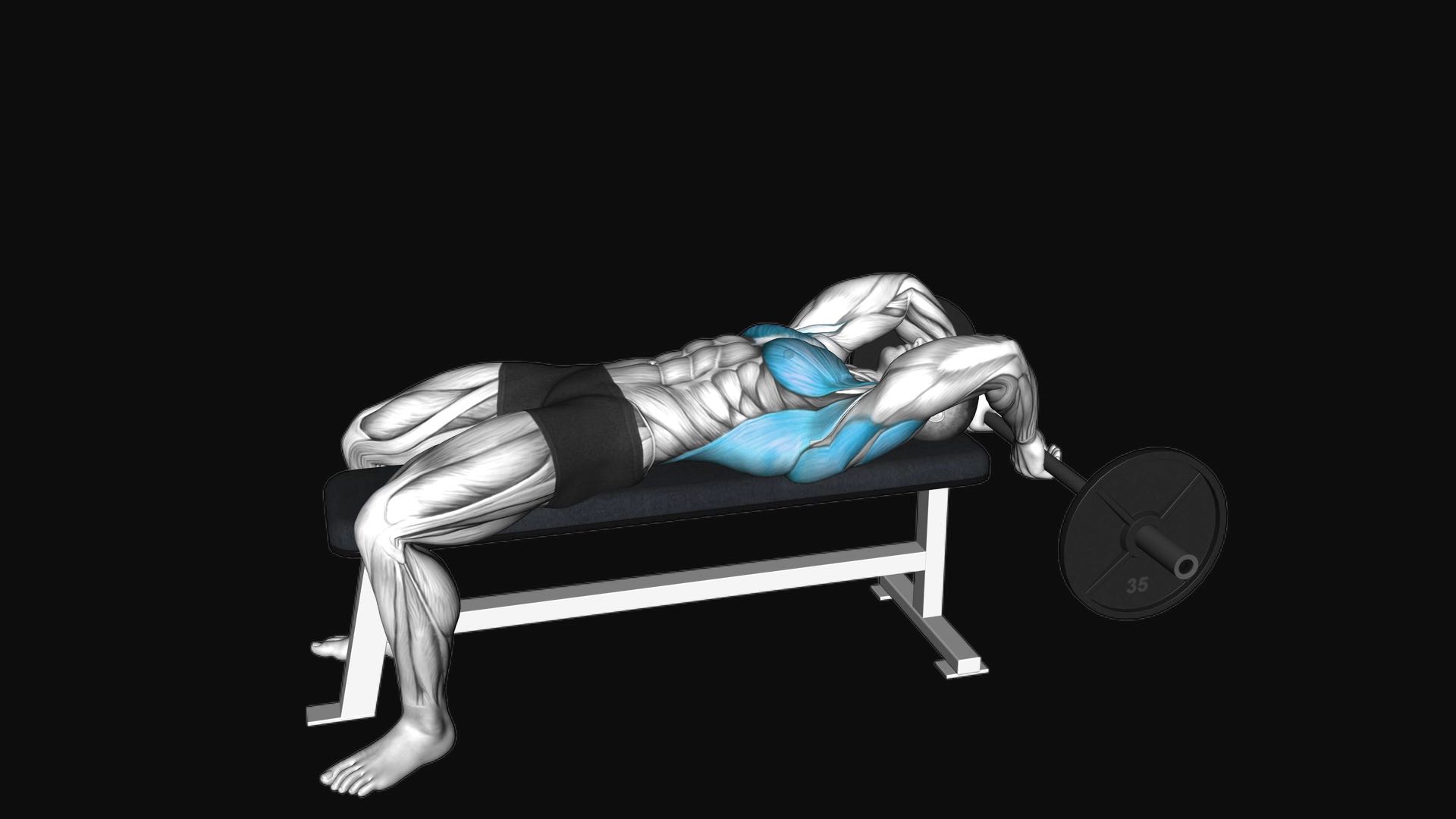
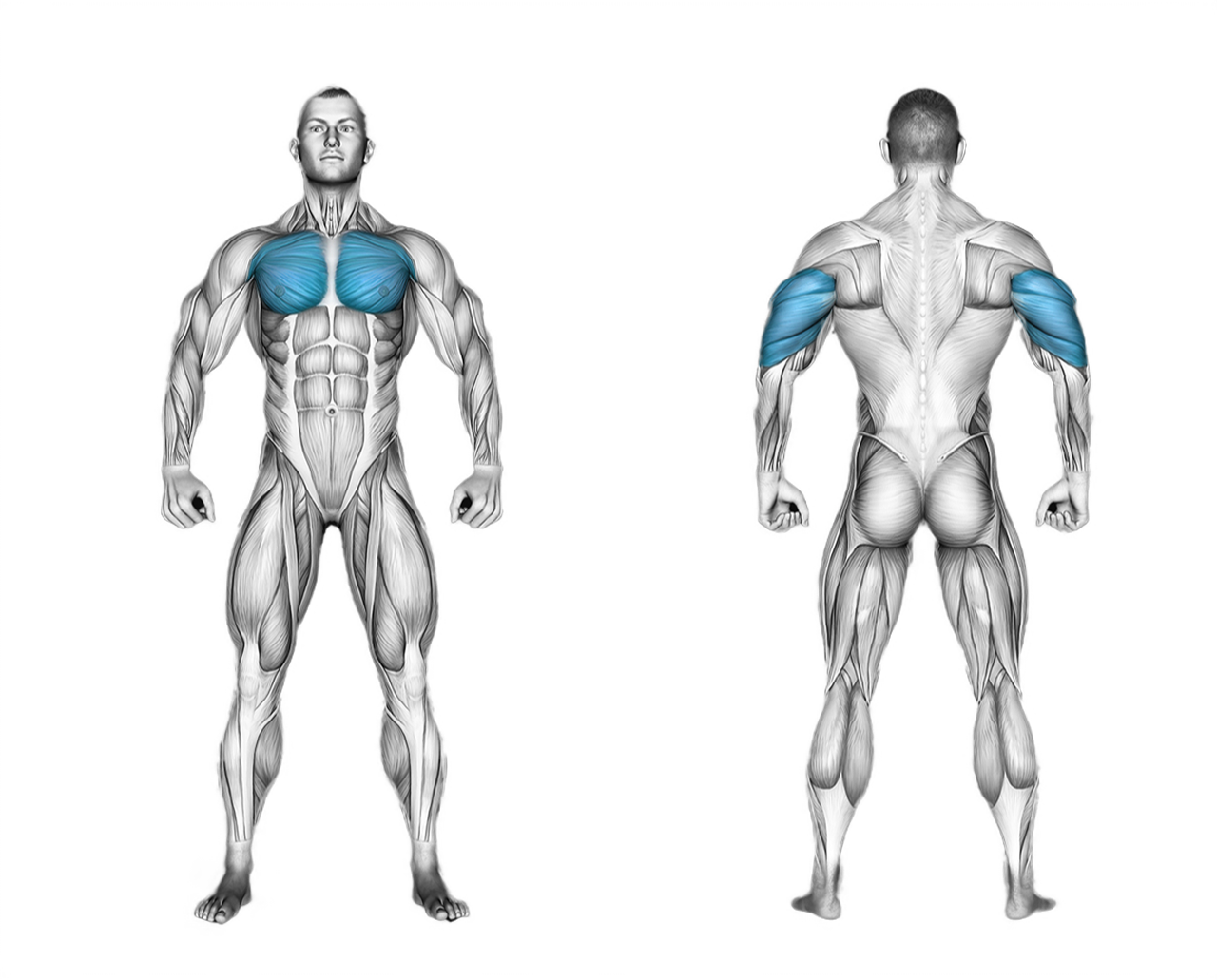
The barbell decline bench press is a compound strength exercise that places greater emphasis on the lower pectorals while recruiting the triceps and anterior deltoids. It suits intermediate to advanced lifters and fits best early in a chest workout as a primary or secondary pressing movement.
How to do it
- Secure your legs at the end of the decline bench and lie down with your back on the bench.
- Grip the barbell with an overhand grip, hands slightly wider than shoulder-width apart.
- Take a deep breath and slowly lower the barbell to the lower part of your chest, keeping your elbows at about a 45-degree angle from your torso.
- Exhale as you press the barbell back up to the starting position, fully extending your arms and engaging your chest muscles.
Common mistakes
- Bouncing the barbell off the chest at the bottom, which eliminates active muscle tension and risks injury to the sternum.
- Flaring the elbows out at a 90-degree angle to the torso, which places severe stress on the shoulder joints.
- Lowering the bar too high toward the clavicles or neck, shifting mechanical load into an unsafe position for the rotator cuff.
- Lifting the glutes off the bench to assist the press, which alters the pressing angle and hyperextends the lower back.
Tips
- Secure your shins firmly under the leg rollers before lifting the barbell off the racks to establish a stable base.
- Keep your shoulder blades retracted and pressed flat against the pad throughout every repetition.
- Always use a spotter or safety pins, as re-racking the barbell from a decline position is mechanically awkward.
Sets and reps
For strength and chest hypertrophy, aim for 3–4 working sets of 6–10 repetitions, resting 2–3 minutes between heavy efforts.
Muscles worked
Your coach guides every set
Turn on the coach in Gloox: it asks how you feel, picks the weight from your history and cues technique and rest. Rate each set and the next one is tuned to you.

On a computer? Point your phone's camera here to get the app.
Questions
Is the decline bench press safe if you have high blood pressure?
Lying at a decline increases intracranial blood pressure, making this exercise unsuitable for individuals with hypertension or vascular issues. If you experience dizziness or head pressure, stop immediately and consult a healthcare professional.
What exercises can replace the barbell decline press?
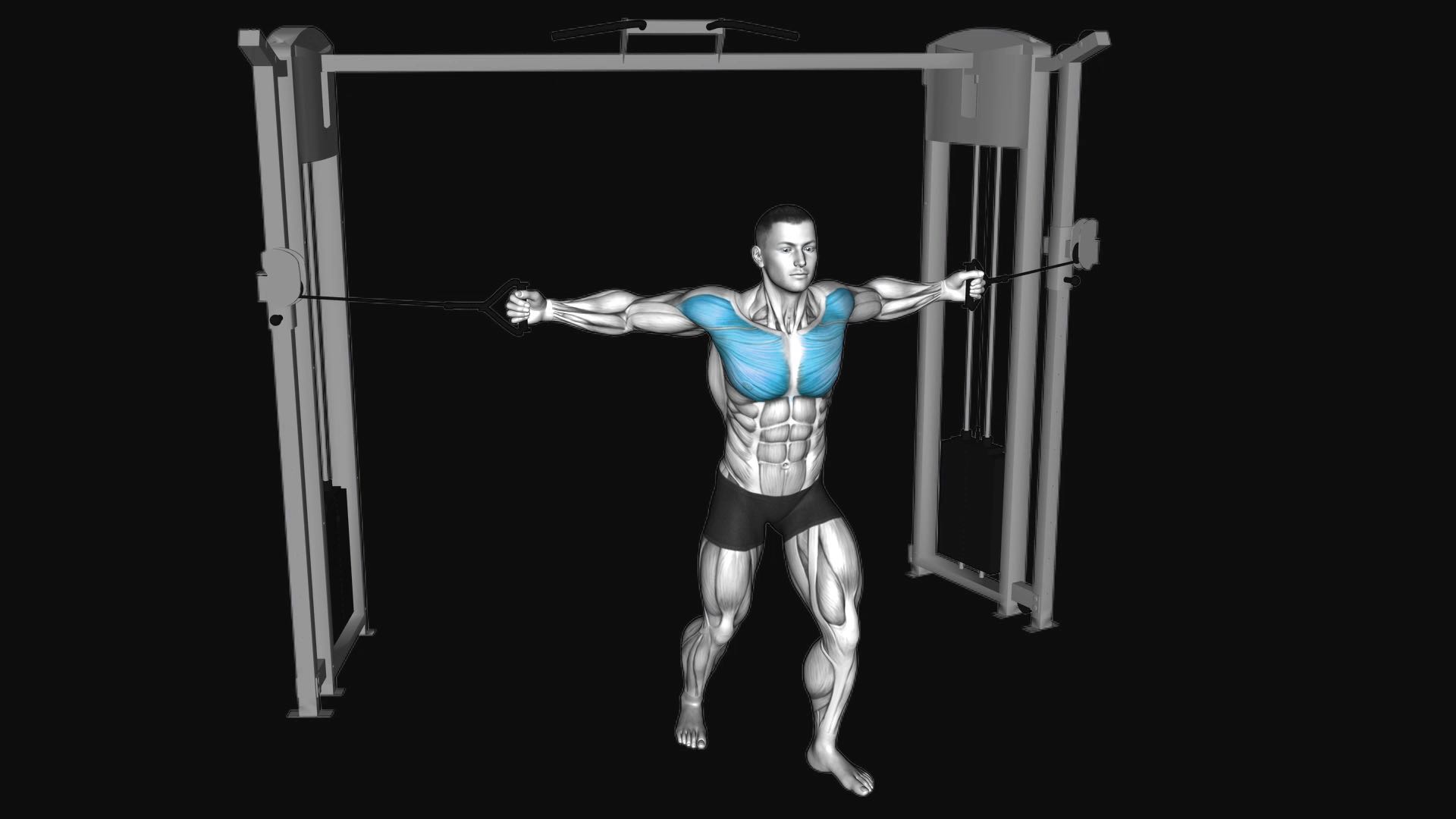
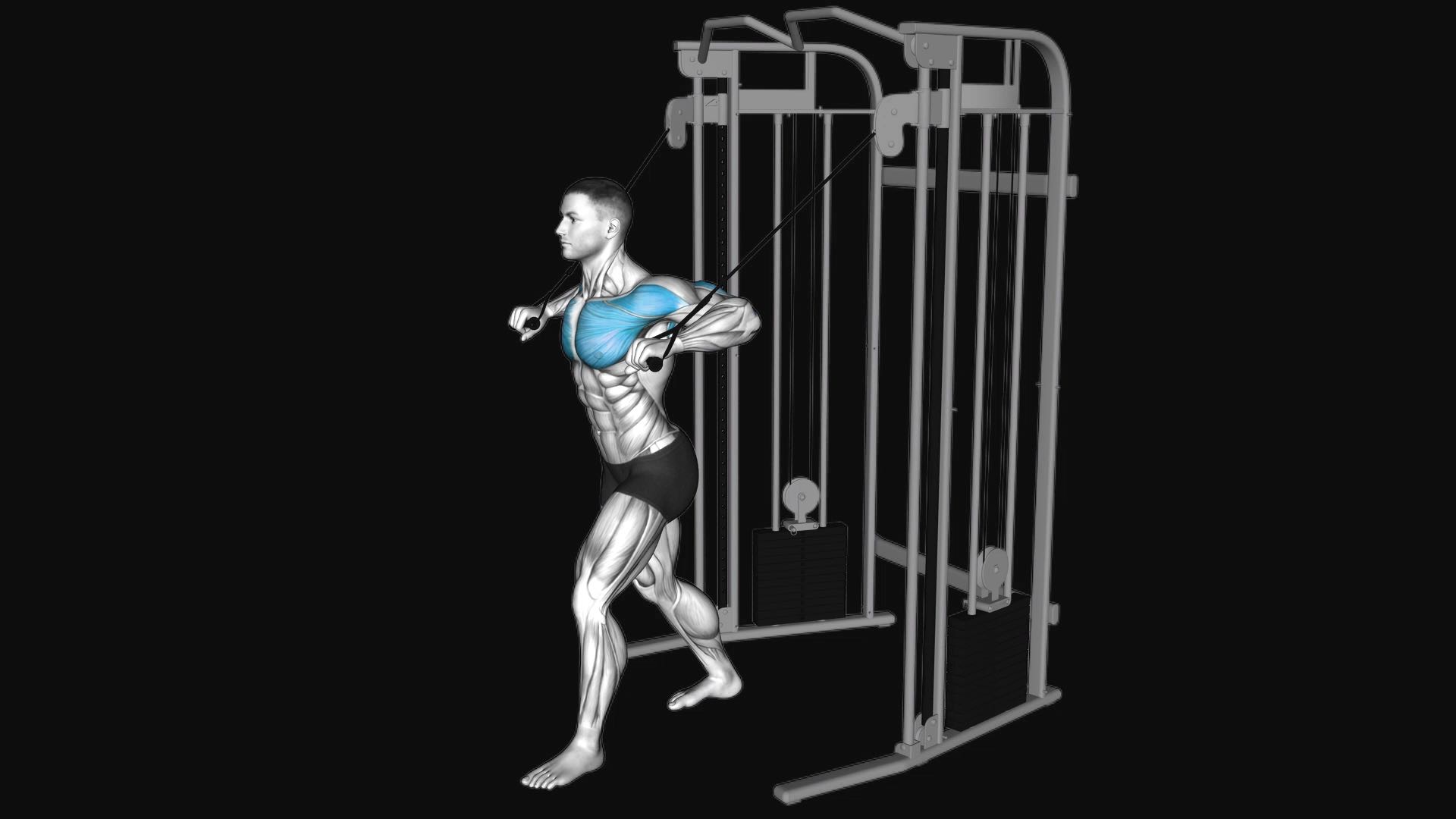
Chest dips with a forward torso lean or high-to-low cable crossovers target the lower pectoral fibers along a very similar line of push.