Legs · Barbell
Barbell Front Squat
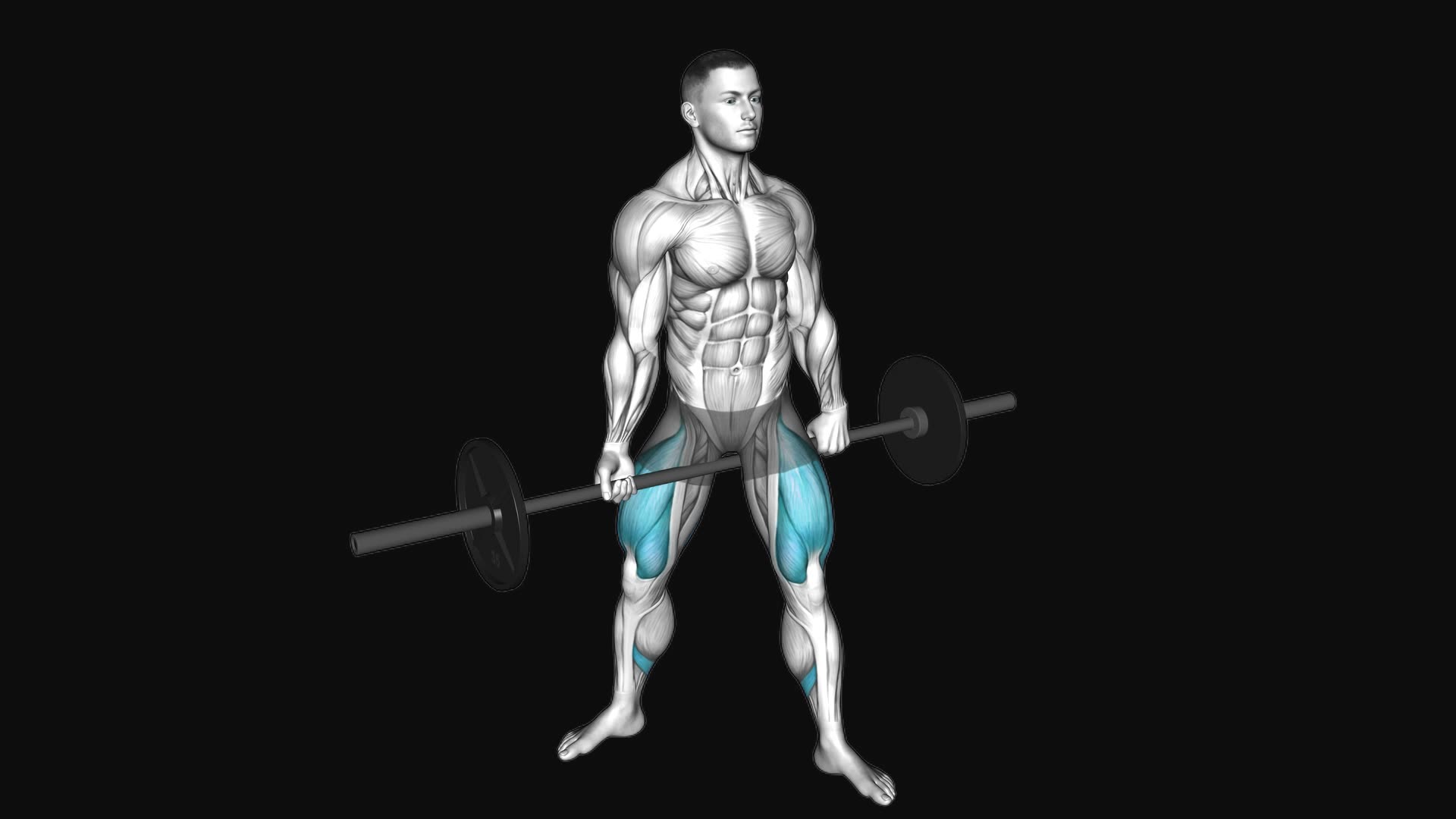
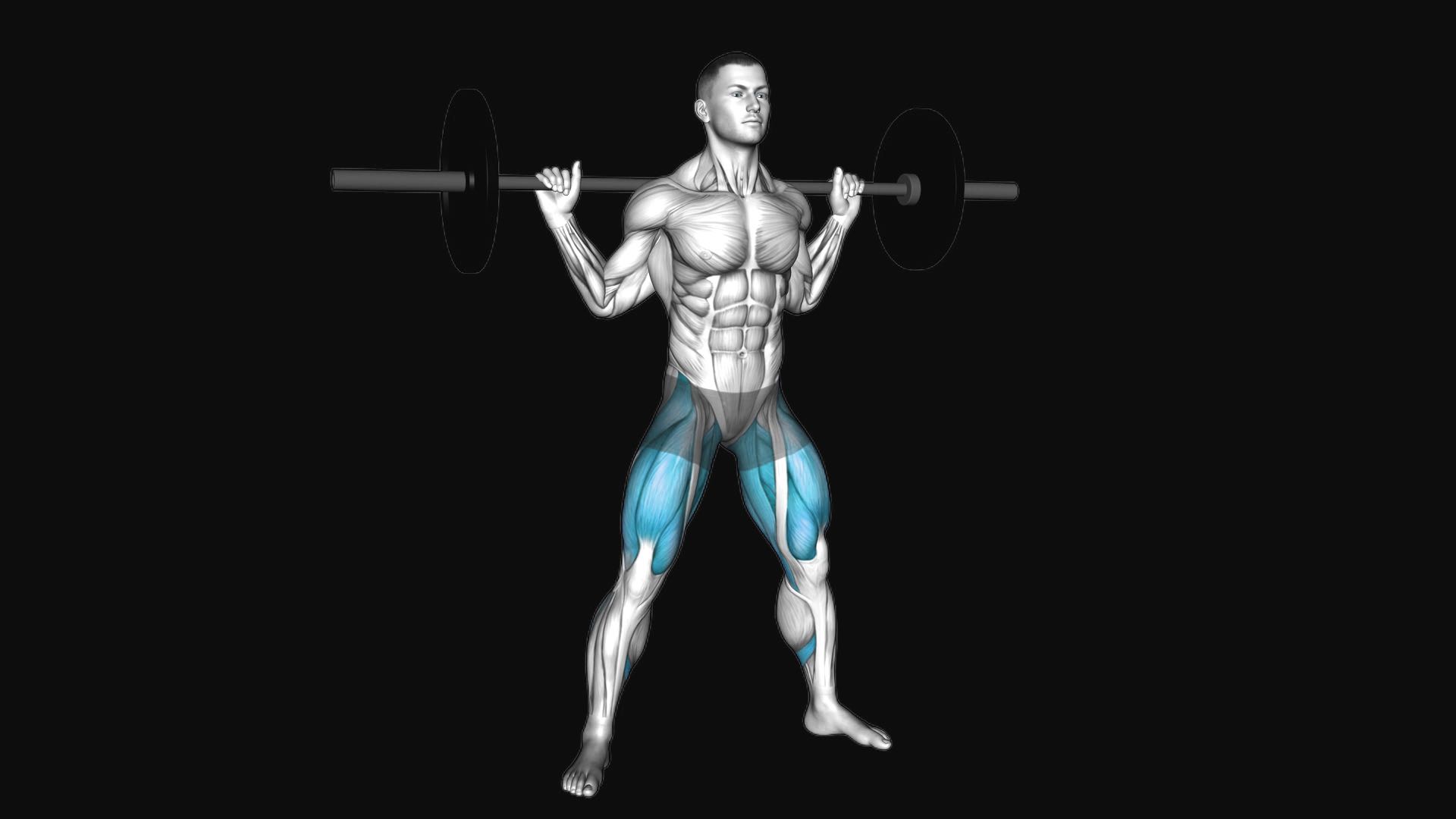
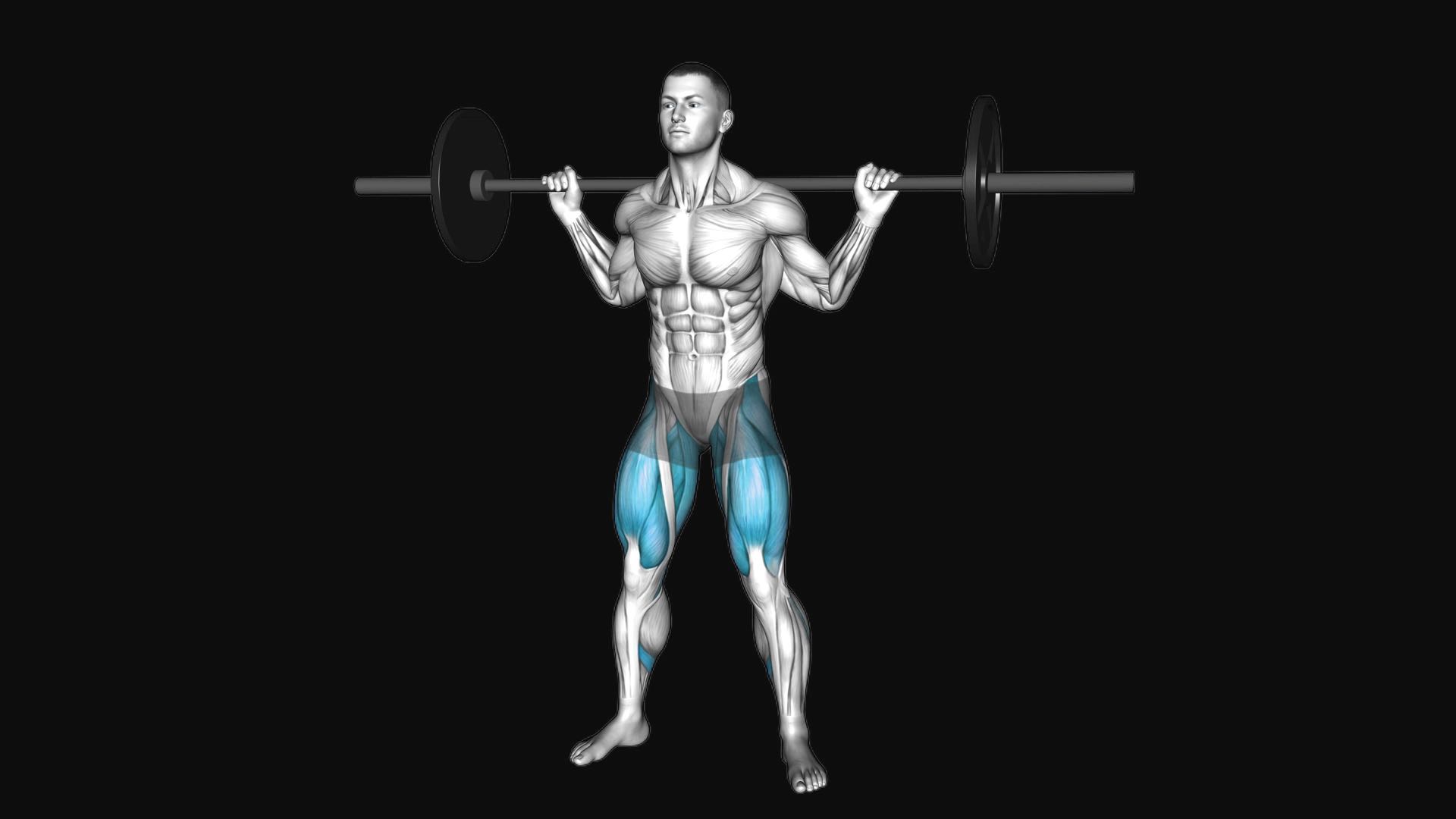
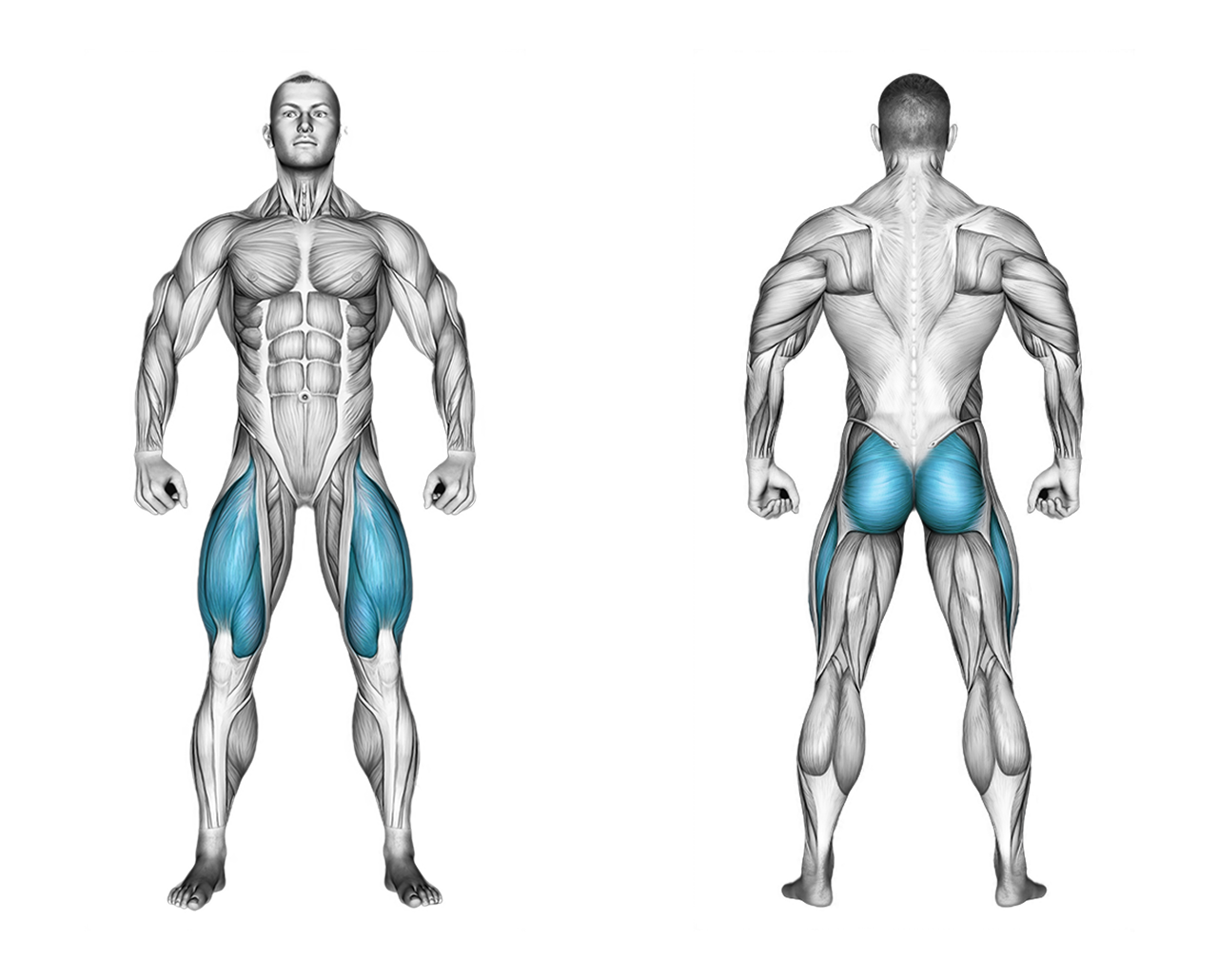
The barbell front squat is a compound lower-body exercise that heavily recruits the quadriceps, core, and upper back due to the anterior load placement. It suits intermediate to advanced lifters and usually functions as a primary or secondary strength movement at the start of a leg workout.
- Equipment
- Barbell
- Type
- Strength
- Animation
- Men
How to do it
- Stand with your feet shoulder-width apart, holding a barbell across your front deltoids.
- Cross your arms over the bar or use a clean grip to secure it.
- Keep your elbows high and chest up, core engaged.
- Lower your body by bending at the hips and knees until your thighs are parallel to the floor.
- Drive through your heels to return to the starting position.
Common mistakes
- Dropping the elbows downward rounds the thoracic spine and risks dropping the barbell off the shoulders.
- Lifting the heels off the floor shifts excessive shear stress onto the knees and compromises balance.
- Leaning too far forward turns the movement into a hybrid hip hinge and overworks the lower back.
- Cutting the depth short reduces the stretch on the quadriceps and limits functional strength gains.
Tips
- Actively drive your elbows toward the ceiling throughout the descent and ascent to keep the torso upright.
- Thoroughly mobilize your wrists, shoulders, and ankles before loading the bar to ensure a pain-free front rack position.
- Distribute your weight evenly across the whole foot to maintain stable ground contact out of the hole.
Sets and reps
Perform 3–5 sets of 3–5 repetitions with 2–3 minutes of rest for pure strength, or 3–4 sets of 6–10 repetitions with 90–120 seconds of rest for muscle building.
Muscles worked
Your coach guides every set
Turn on the coach in Gloox: it asks how you feel, picks the weight from your history and cues technique and rest. Rate each set and the next one is tuned to you.

On a computer? Point your phone's camera here to get the app.
Questions
Is the front squat safer for the lower back than the back squat?
Yes, the more upright trunk angle significantly reduces compressive and shear forces on the lumbar spine. If you experience sharp back pain, stop the exercise and consult a healthcare professional.
How can you hold the bar if your wrists lack mobility for the clean grip?
You can switch to a crossed-arm grip across your shoulders or wrap lifting straps around the barbell to hold onto without hyperextending your wrists.