Chest · Other
Incline Svend Press
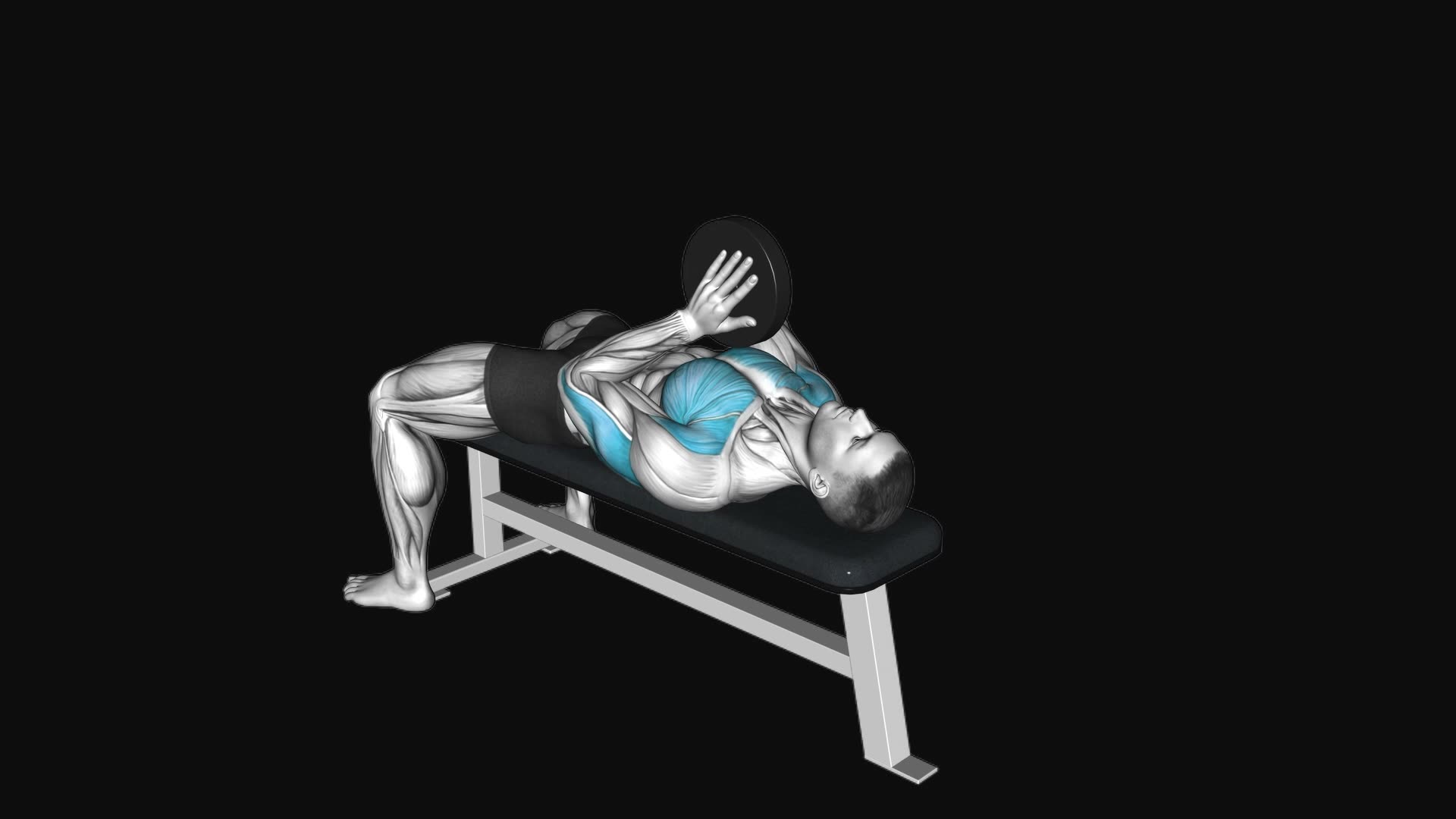
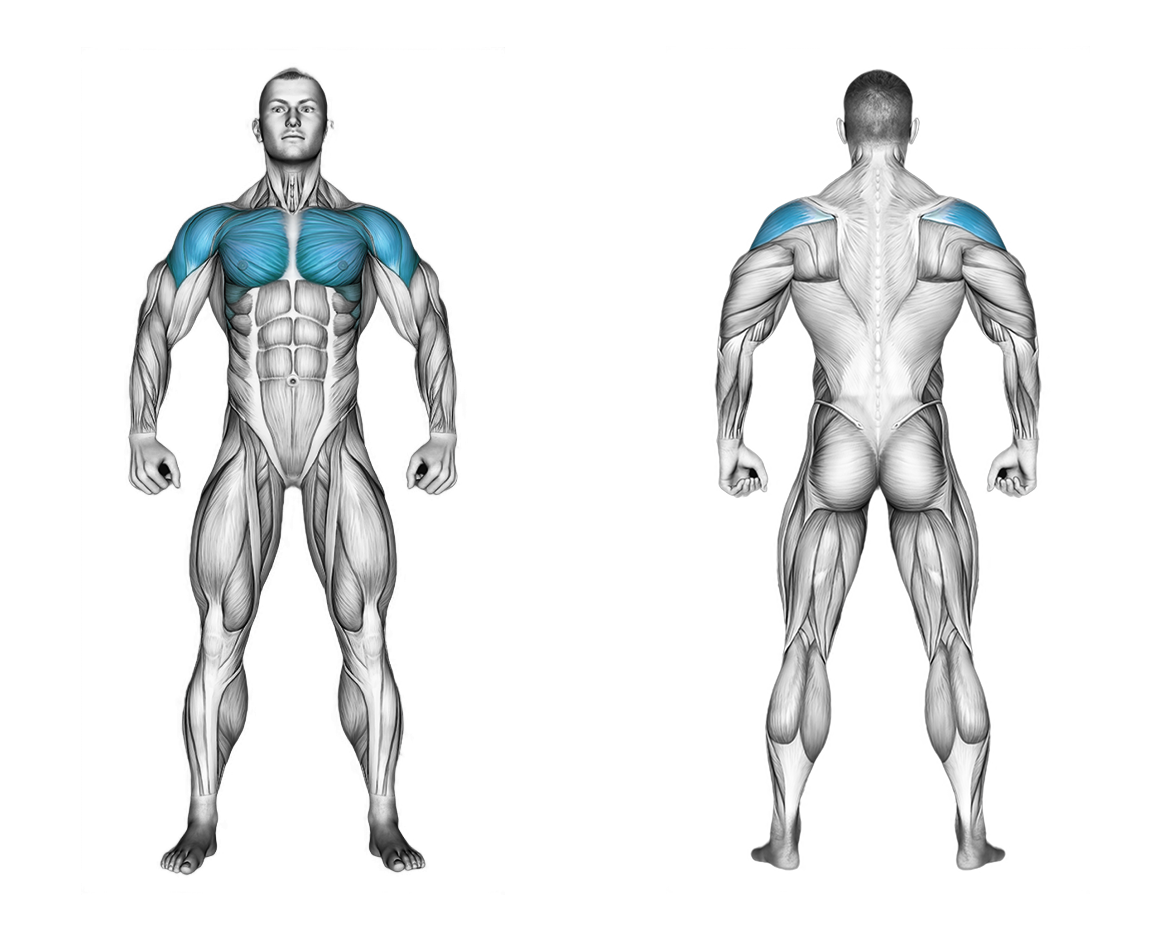
The incline Svend press is an isolation movement that combines dynamic arm extension with continuous isometric adduction using a weight plate. It primarily targets the upper pectoral fibers and anterior deltoids, serving as an effective warm-up activator or high-rep finisher.
- Muscles
- Chest
- Equipment
- Other
- Type
- Strength
- Animation
- Men
How to do it
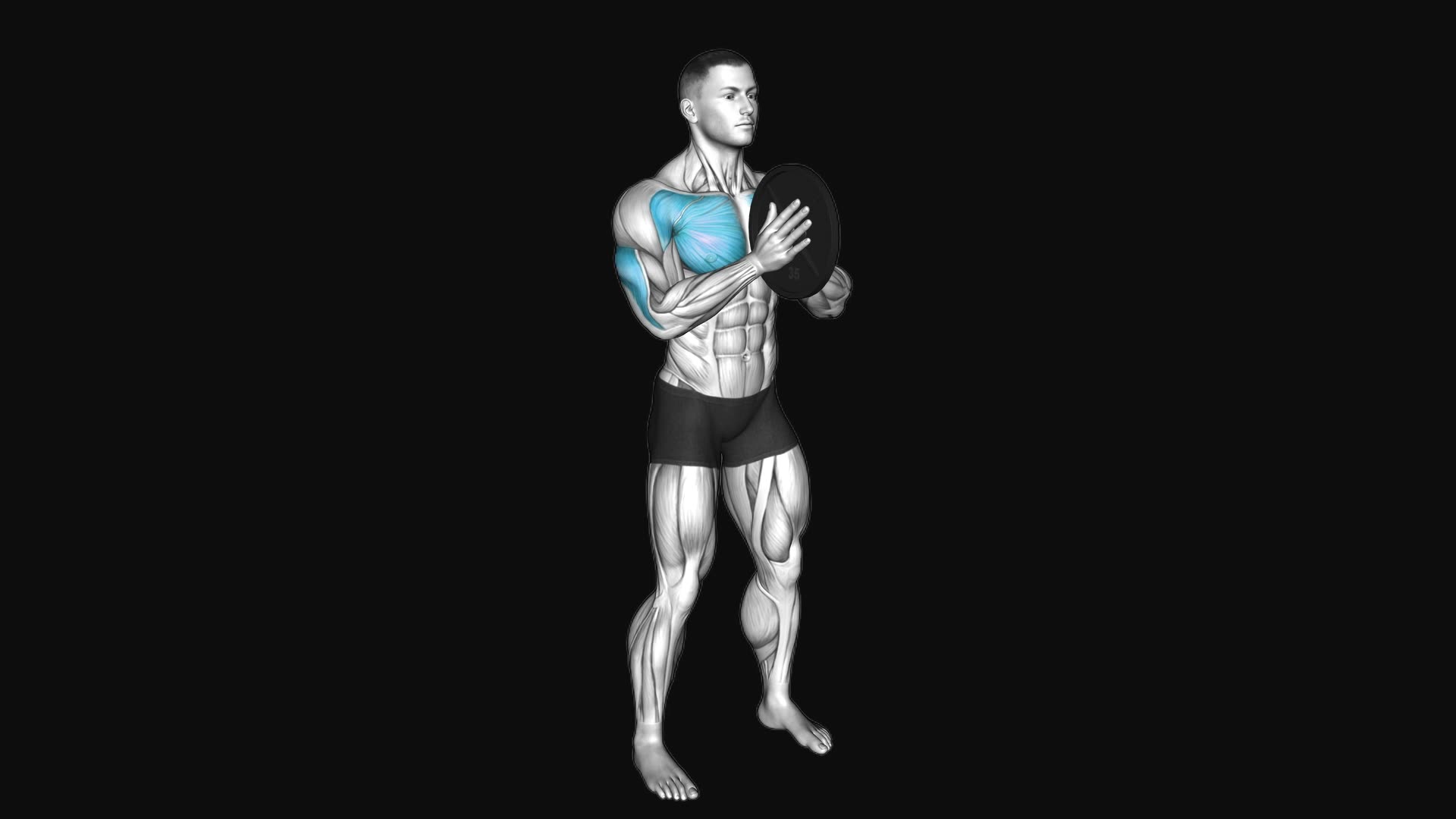
- Lie back on an incline bench holding a weight plate between your palms at chest level, pressing your hands together.
- Keep your elbows bent.
- Press the plate straight up and away from your chest until your arms are fully extended.
- Maintain pressure between your palms throughout.
- Bring the plate back to your chest with control.
Common mistakes
- Easing off palm pressure at full extension, which instantly eliminates the continuous tension on the inner chest.
- Selecting too heavy of a plate, which compromises the pressing angle and shifts strain directly onto the shoulders.
- Flaring the elbows out excessively wide, which places unnecessary shear stress on the rotator cuff muscles.
Tips
- Squeeze the plate between your open palms as hard as possible throughout the entire rep.
- Hold the lockout position for a full second to maximize the peak isometric contraction of the pecs.
- Set the bench angle to 30 to 45 degrees to specifically align the resistance with the upper chest fibers.
Sets and reps
Perform 3 to 4 sets of 12 to 20 controlled reps with 45 to 60 seconds of rest between sets to maximize metabolic stress and muscle activation.
Muscles worked
Your coach guides every set
Turn on the coach in Gloox: it asks how you feel, picks the weight from your history and cues technique and rest. Rate each set and the next one is tuned to you.

On a computer? Point your phone's camera here to get the app.
Questions
Can dumbbells be used instead of a weight plate?
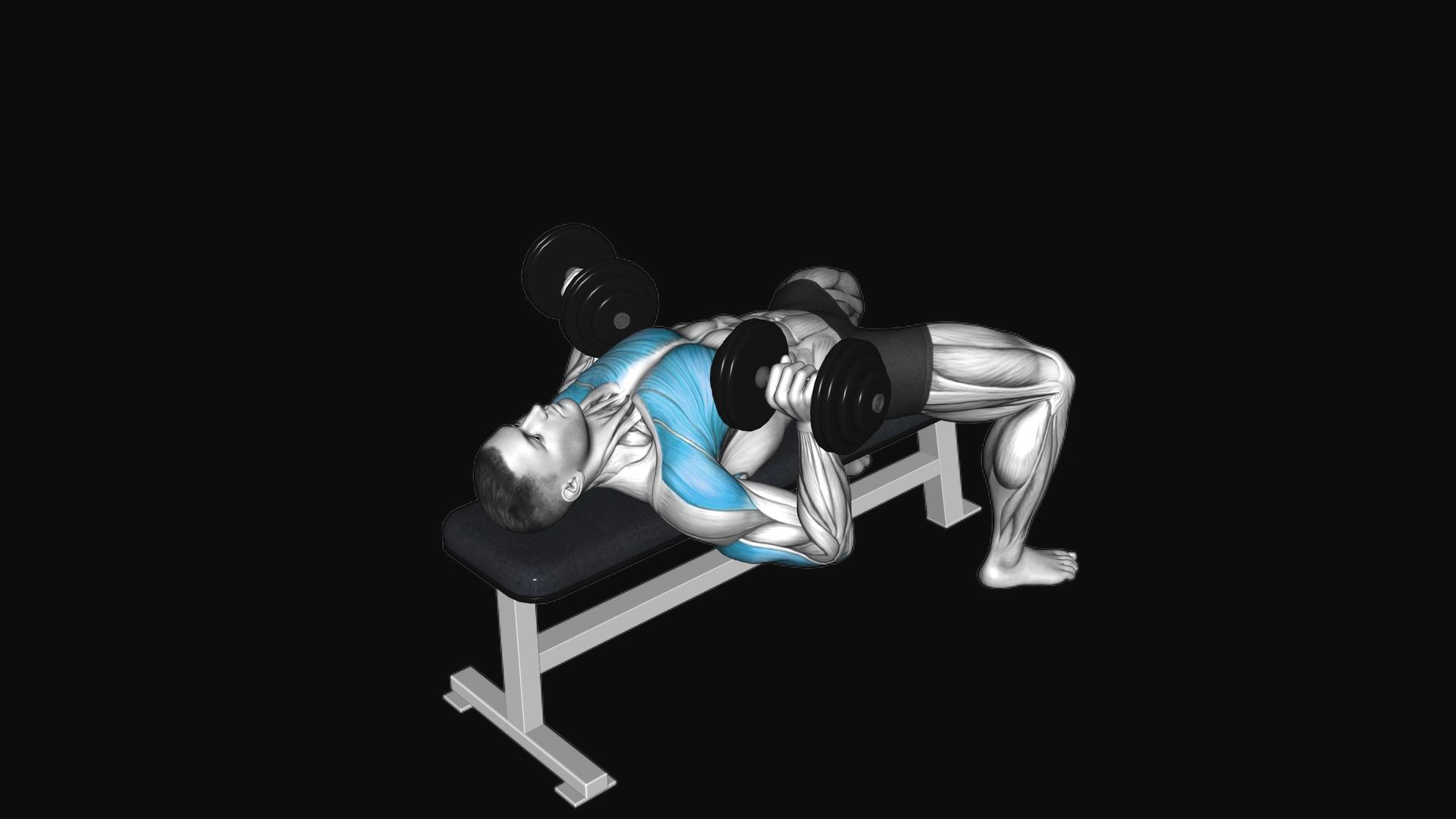
Yes, pressing two hex dumbbells firmly against each other achieves the same continuous inward tension.
Can the incline Svend press replace standard incline bench pressing?
No, it lacks the heavy mechanical tension required for primary strength gains and should be used strictly as an accessory movement.