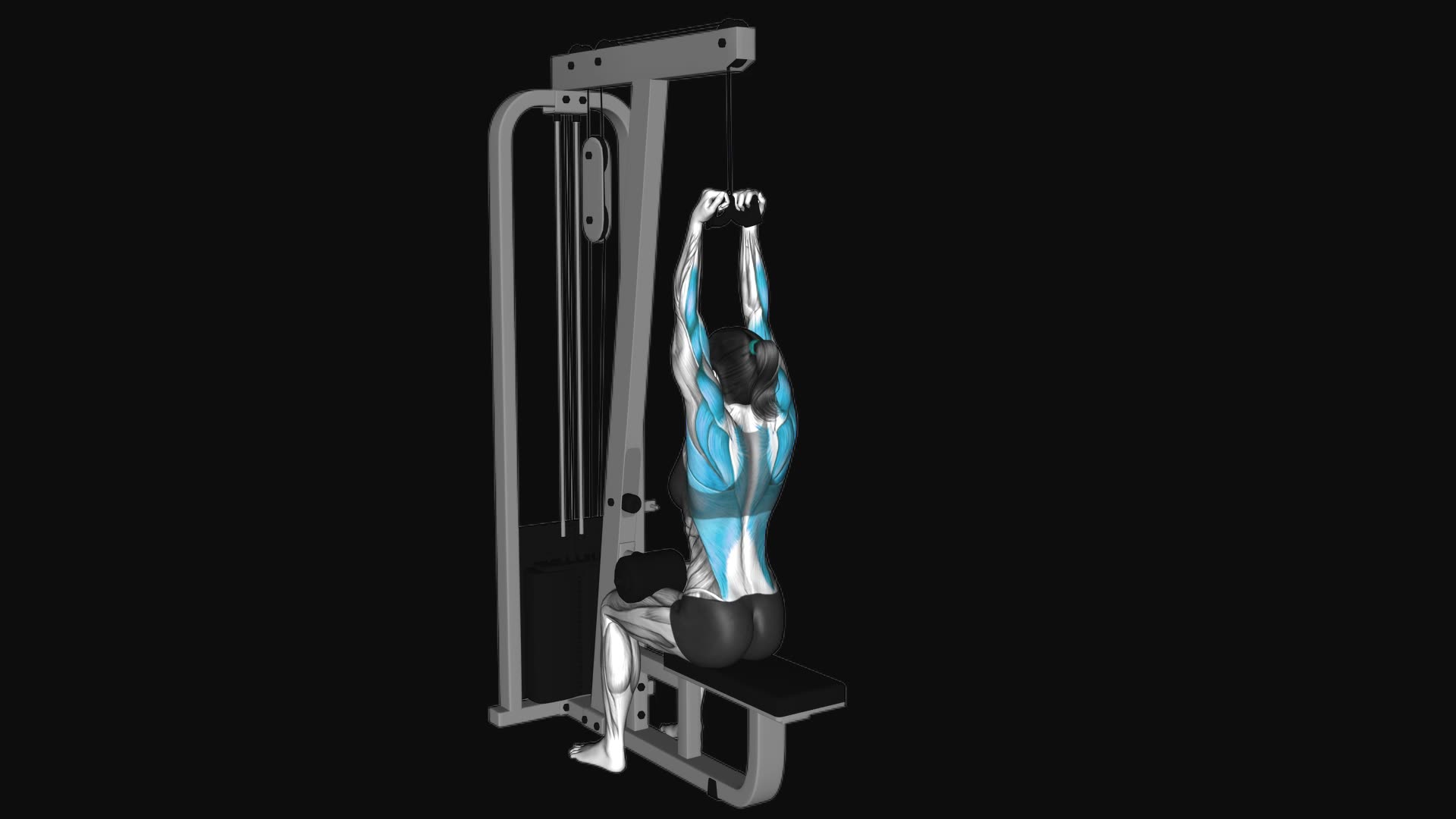
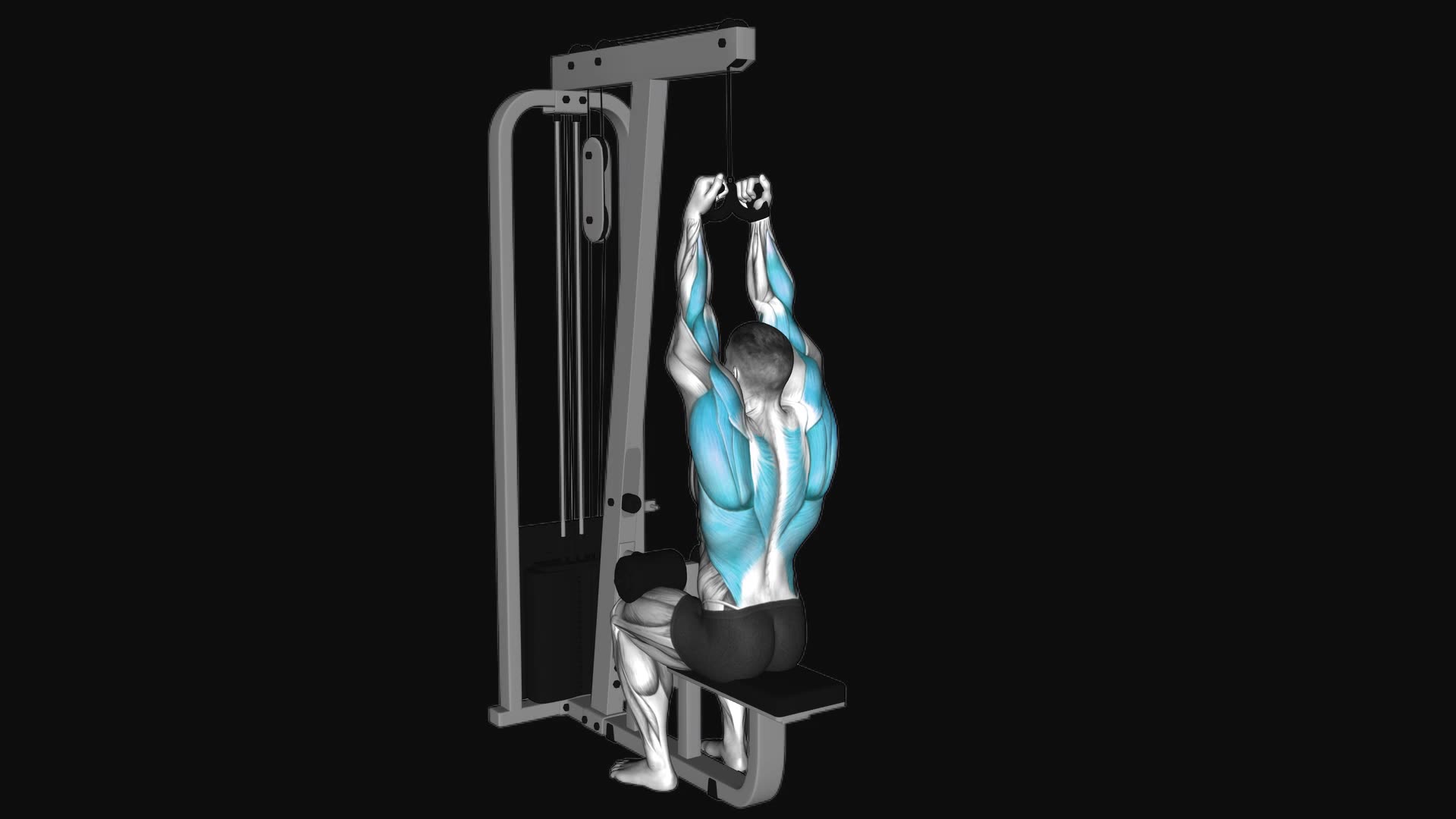
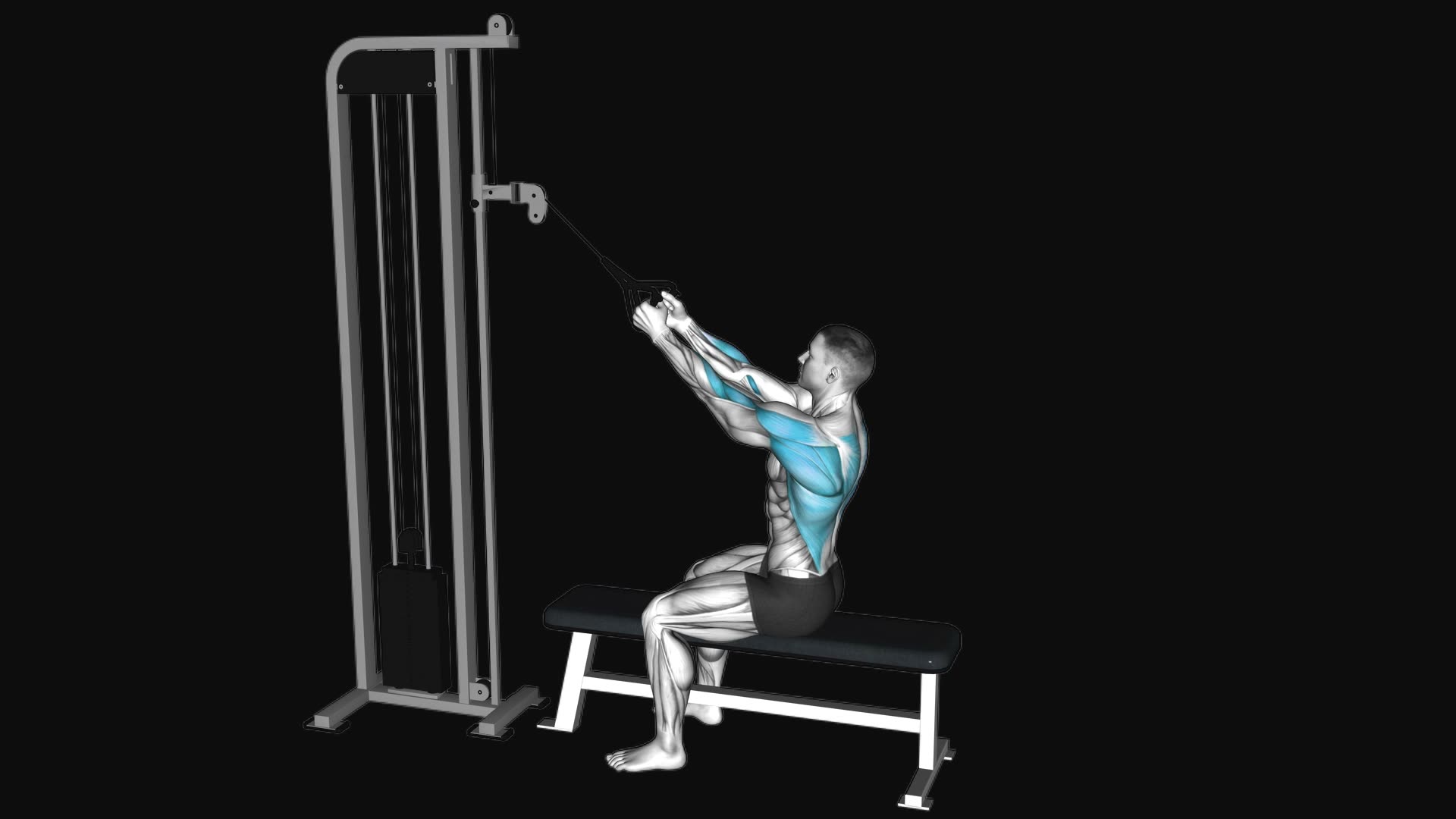
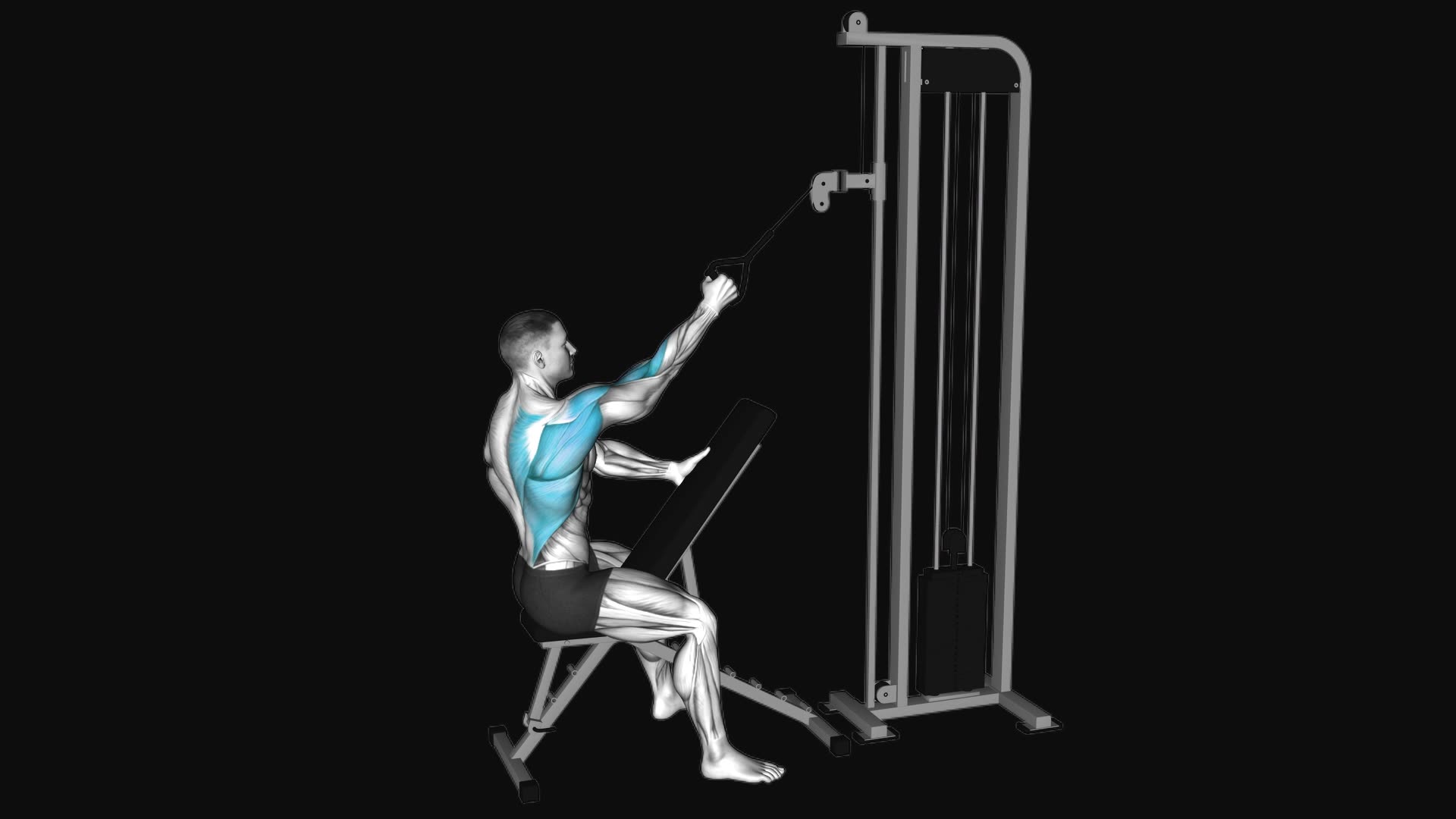
Back · Pull-up bar
Assisted Parallel Close Grip Pull-up
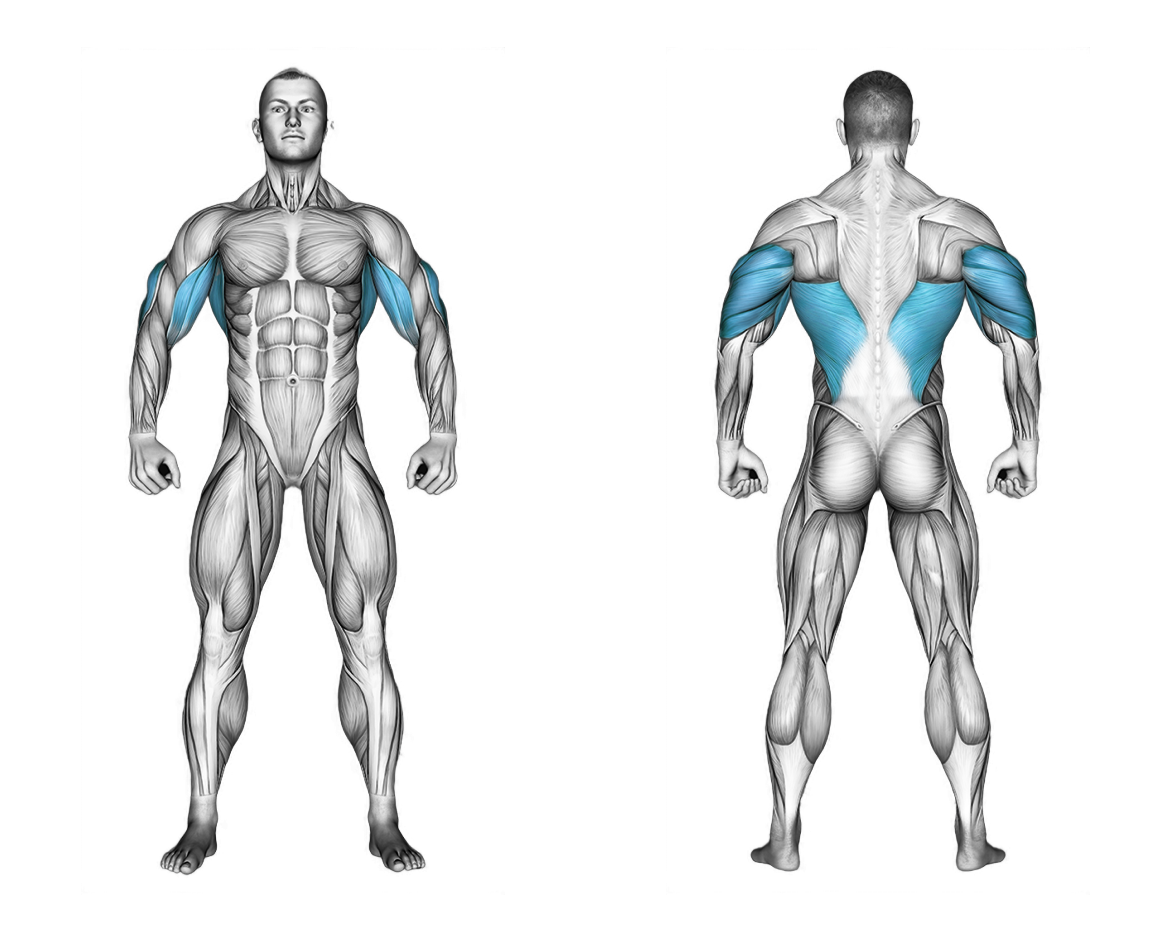
The assisted parallel close grip pull-up is a compound vertical pulling exercise that targets the latissimus dorsi, rhomboids, and arm flexors. By using an assistance machine or resistance band to offset body weight, it helps beginners build pulling strength and allows advanced lifters to train the back to fatigue without form breakdown.
- Muscles
- Back
- Equipment
- Pull-up bar
- Type
- Strength
- Animation
- Men
How to do it
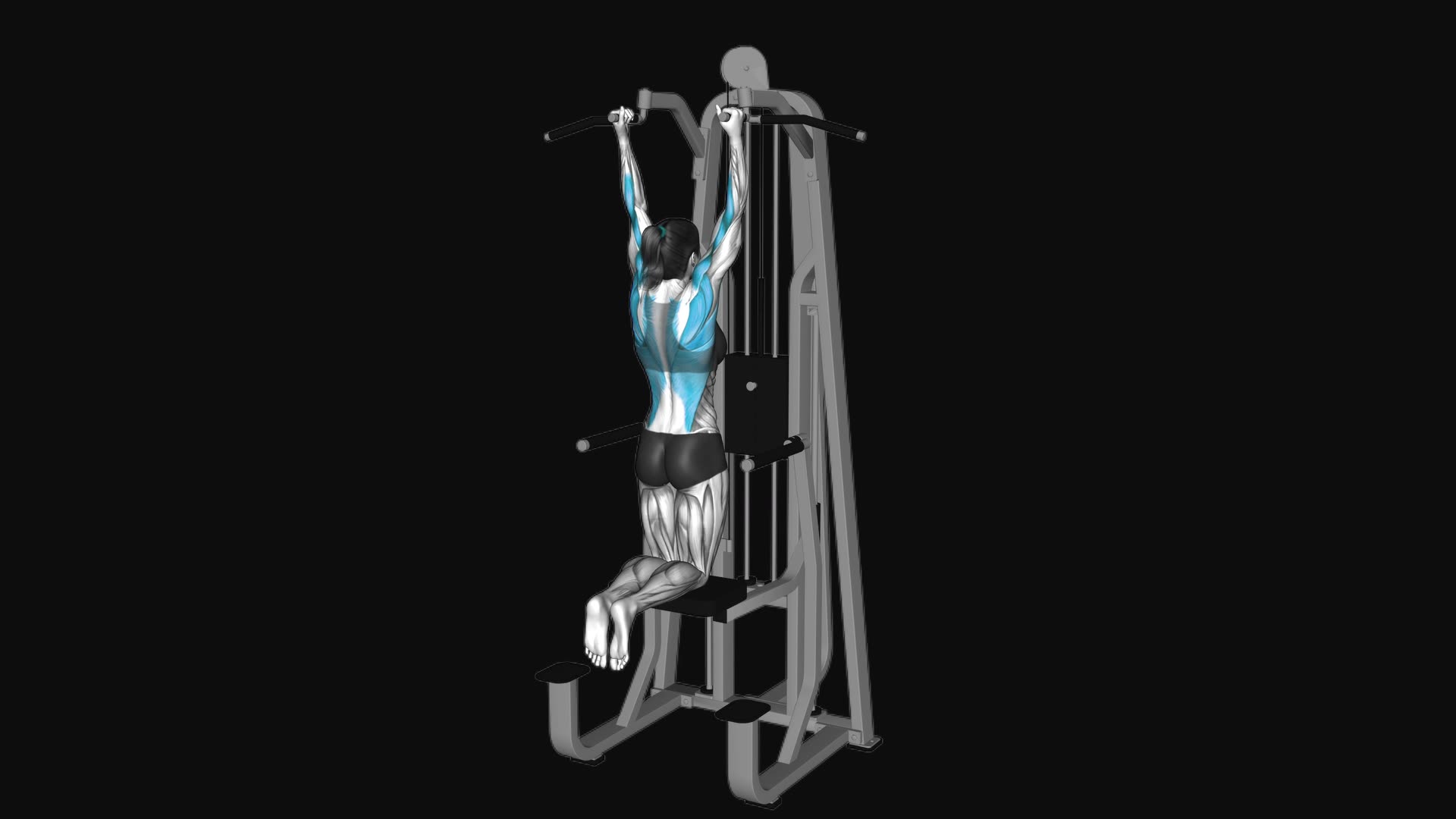
- Grip the parallel bars with your hands close together, palms facing each other.
- Use an assistance band or machine to support your weight.
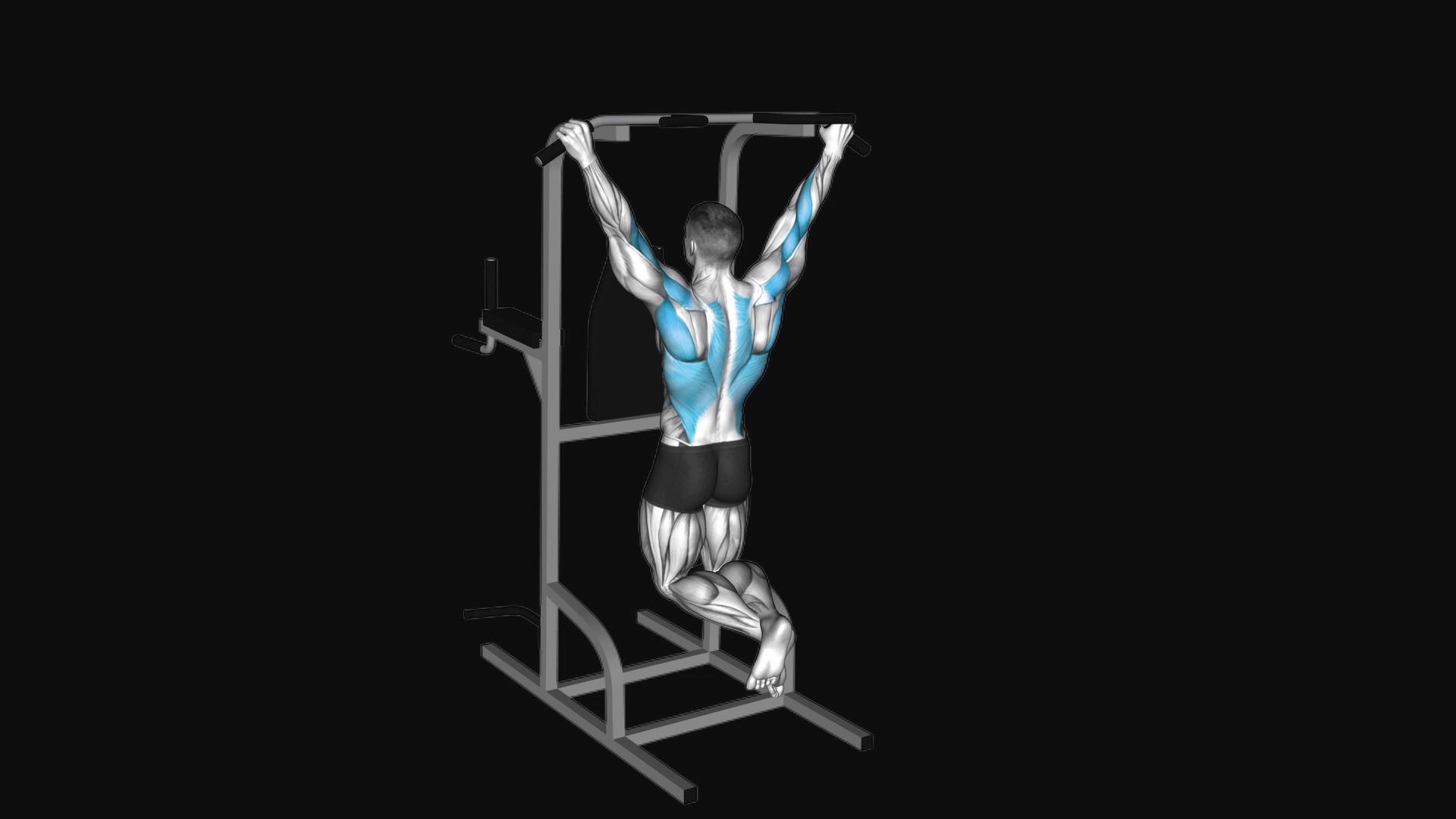
- Hang with your arms fully extended and shoulders engaged.
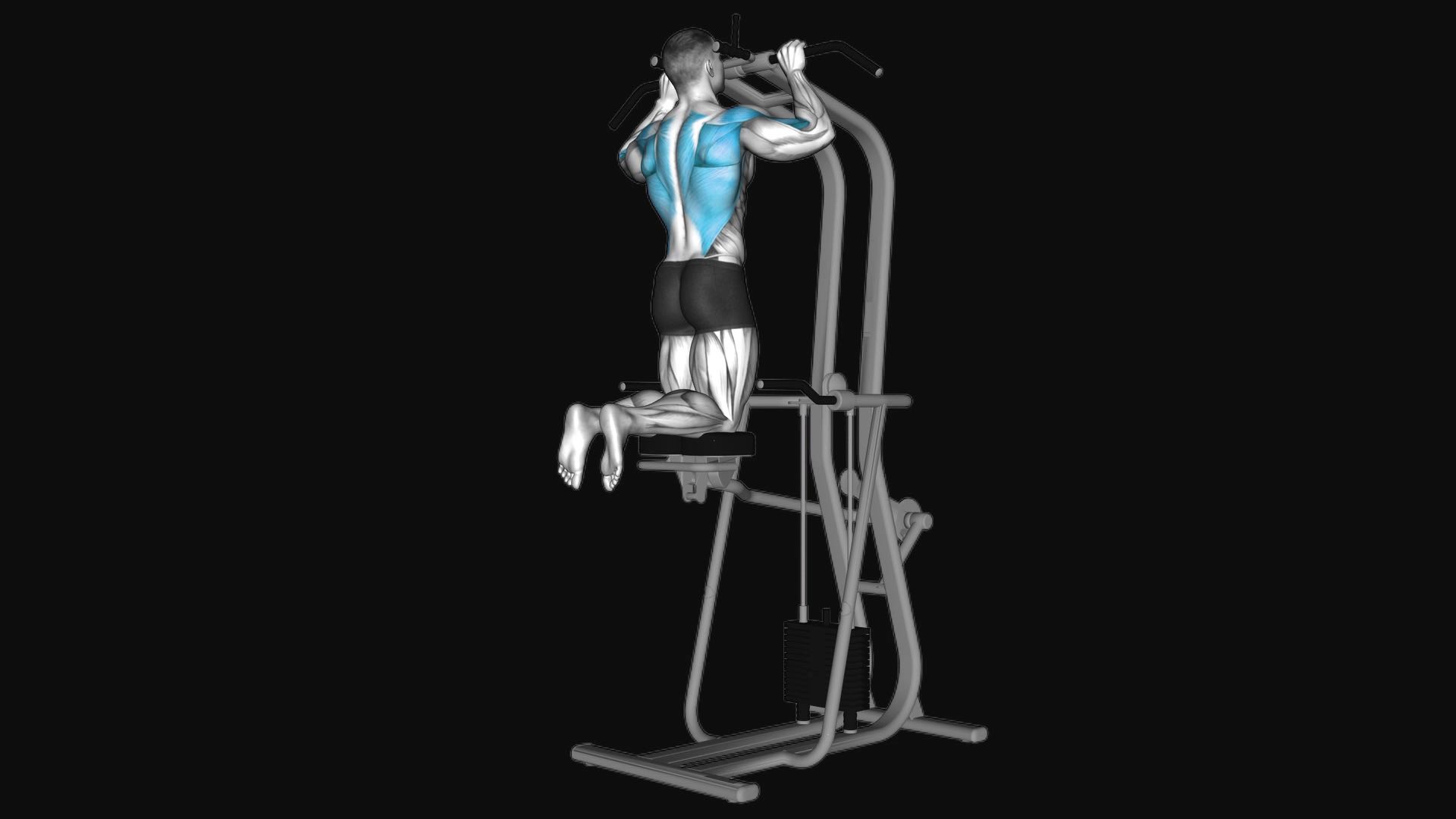
- Pull yourself up by driving your elbows down and back until your chin clears the bars.
- Lower yourself back down with control to the starting position.
Common mistakes
- Kicking the legs or relying on the bounce of the band generates momentum instead of forcing the back muscles to do the work.
- Cutting the range of motion short at the bottom prevents the lats from experiencing a full stretch under load.
- Pulling strictly with the biceps instead of initiating the movement by depressing the scapulae leaves the back under-stimulated.
- Rounding the shoulders forward at the top of the pull places unnecessary strain on the rotator cuff.
Tips
- Initiate every rep by pulling the shoulder blades down and back before bending your elbows.
- Keep your elbows tucked close to your torso throughout the ascent to maximize lat recruitment.
- Pause for a second at the peak of the pull with your chest up before initiating a controlled descent.
Sets and reps
Perform 3 to 4 sets of 8 to 12 repetitions with 90 to 120 seconds of rest between sets to build upper-body strength and hypertrophy.
Muscles worked
Your coach guides every set
Turn on the coach in Gloox: it asks how you feel, picks the weight from your history and cues technique and rest. Rate each set and the next one is tuned to you.

On a computer? Point your phone's camera here to get the app.
Questions
Why choose a close neutral grip over a regular overhand grip?
A neutral grip is often easier on the wrists and shoulders while placing a higher emphasis on the lower lats and brachialis muscles.
How do you know when to reduce the assistance?
You should lower the counterbalance weight or switch to a thinner band once you can complete all prescribed sets and reps with strict form and zero momentum.