Chest · Cable machine
Cable Fly with Chest Supported
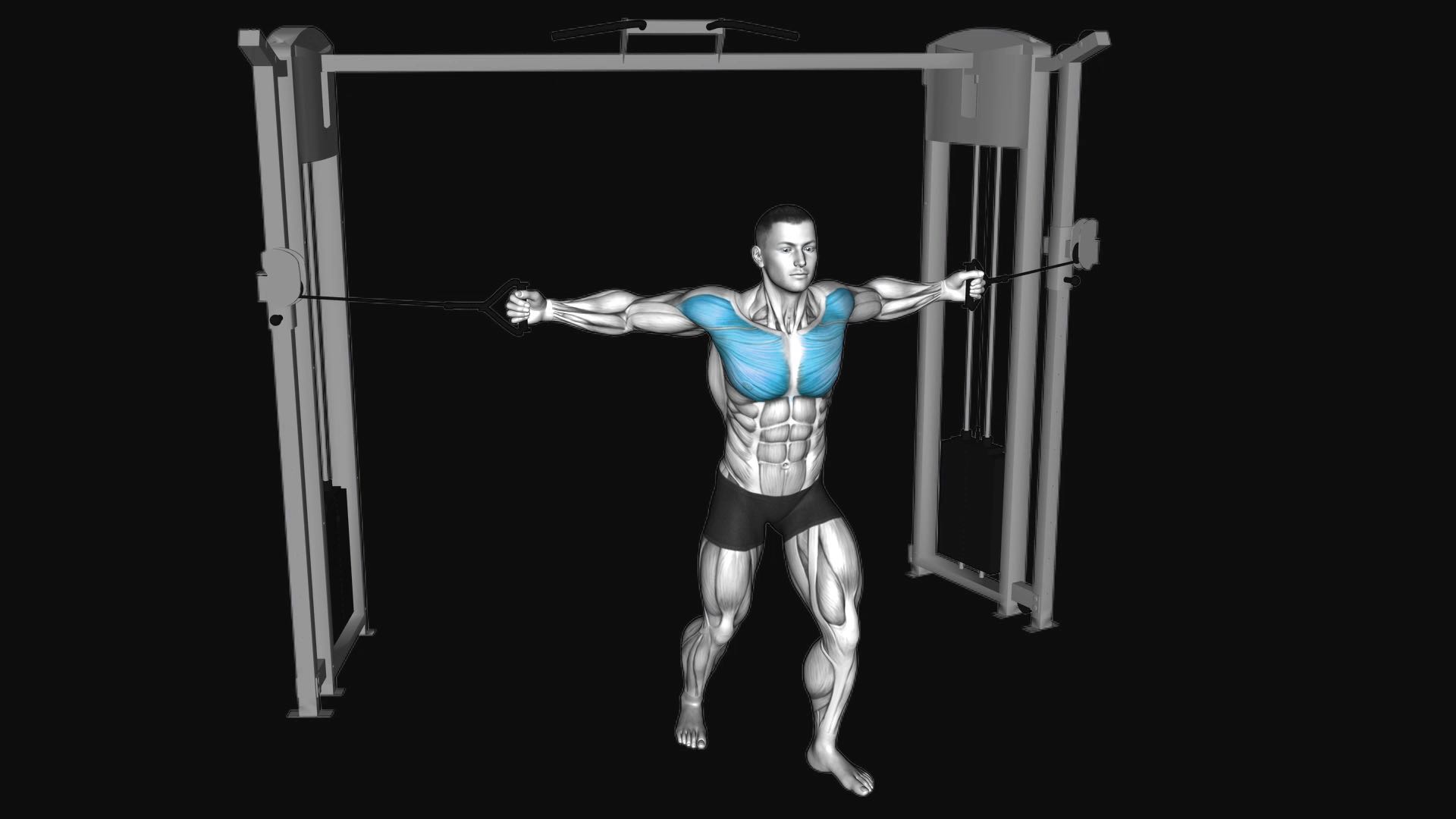
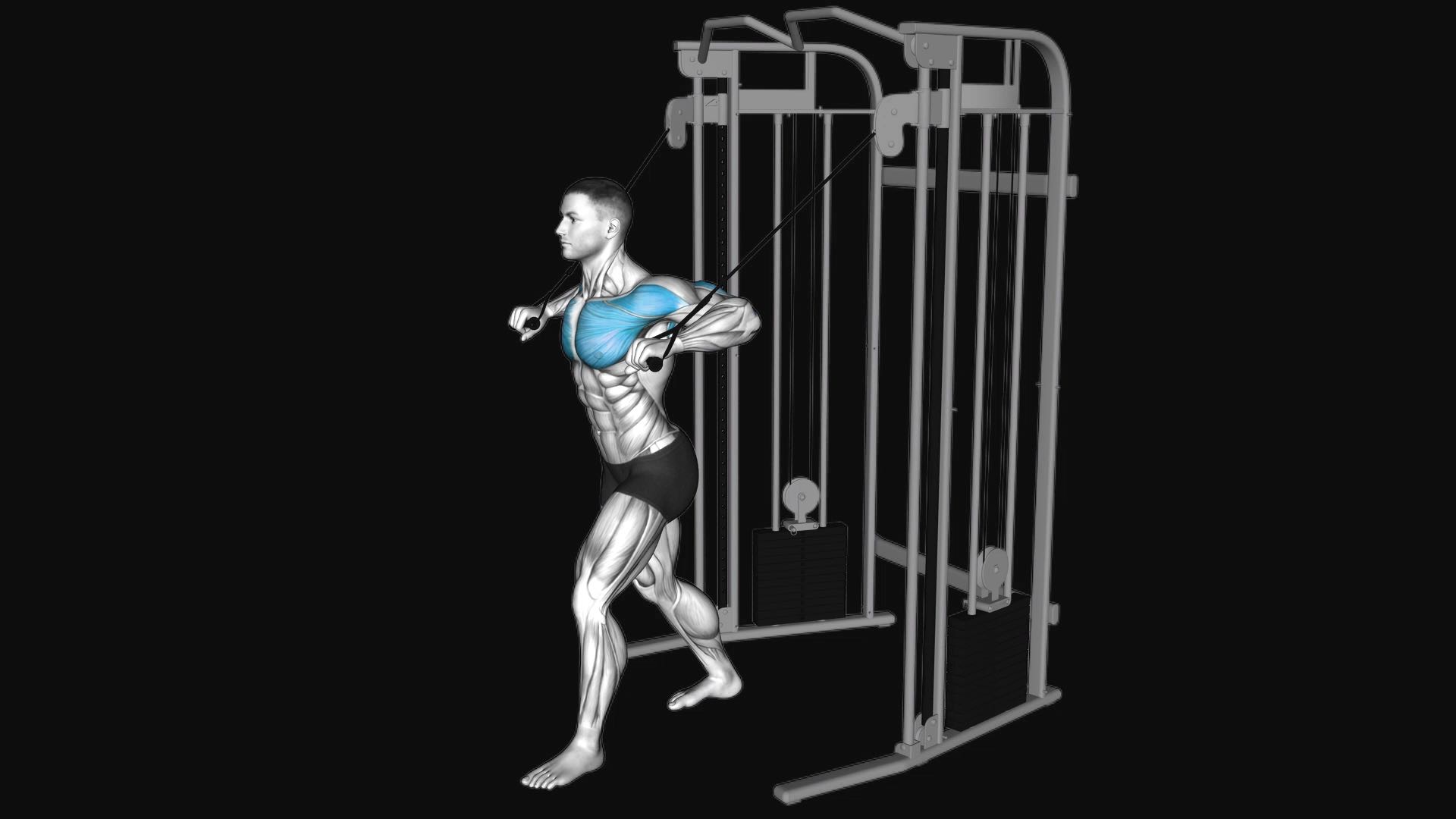
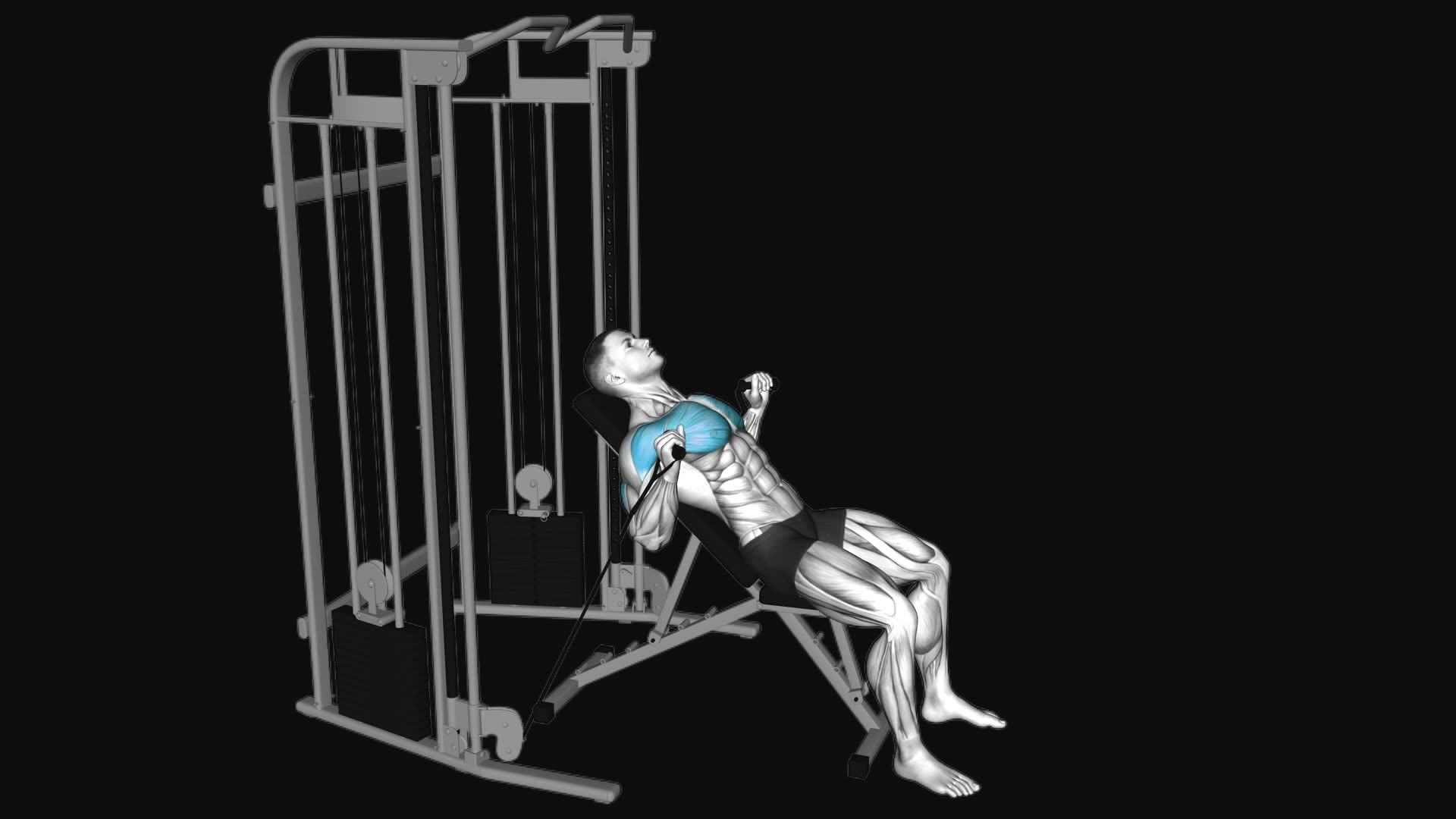
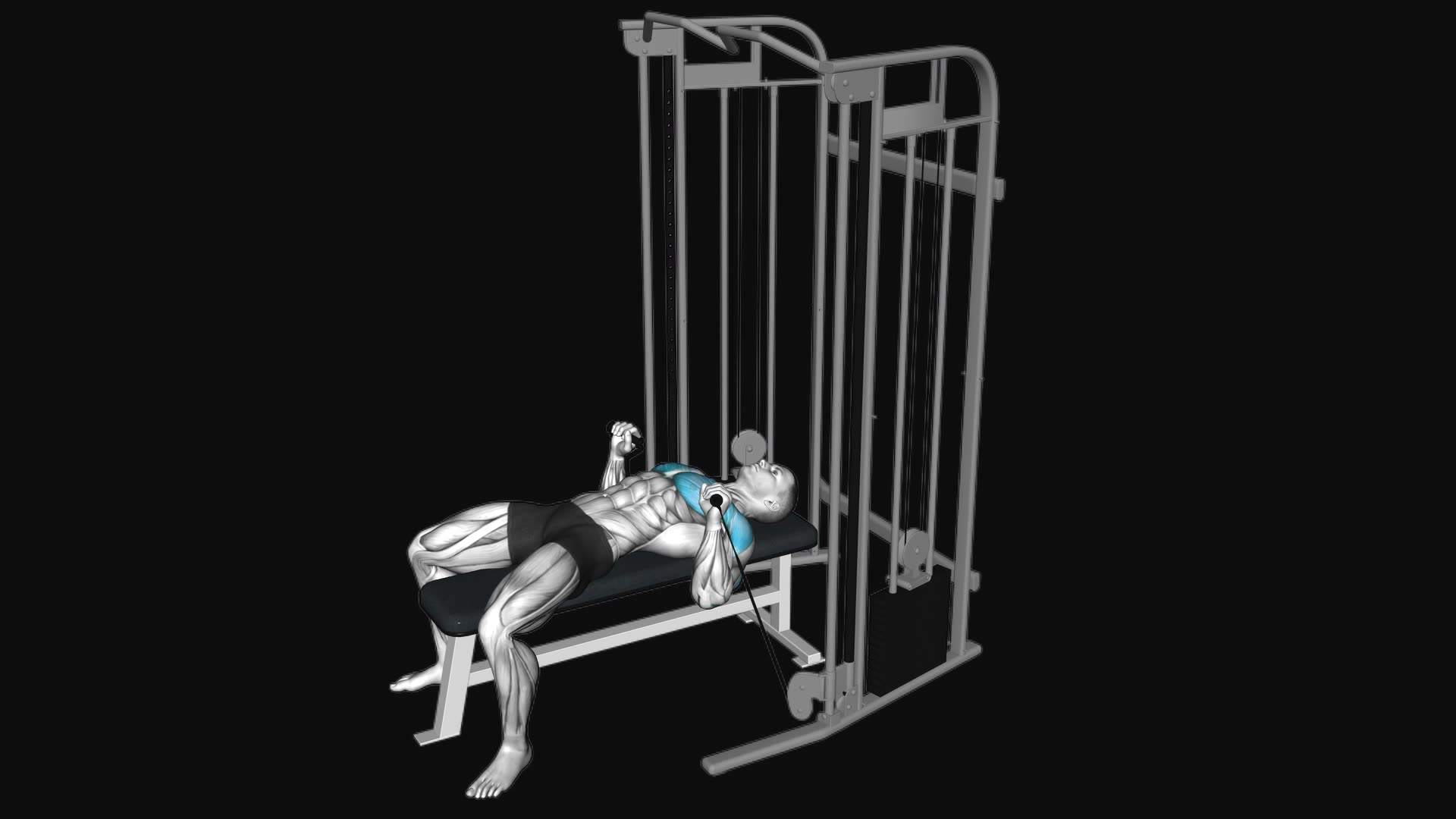
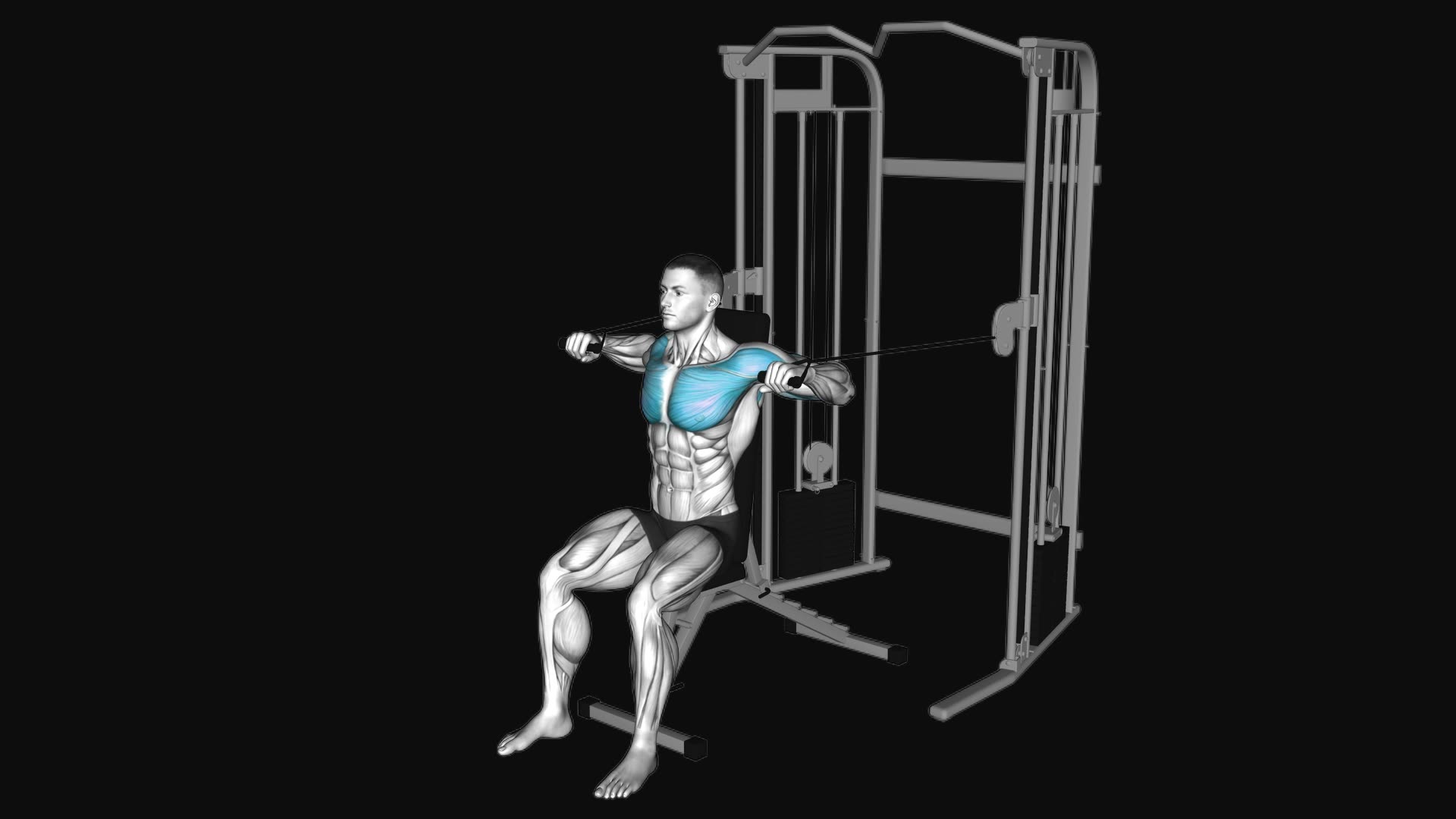
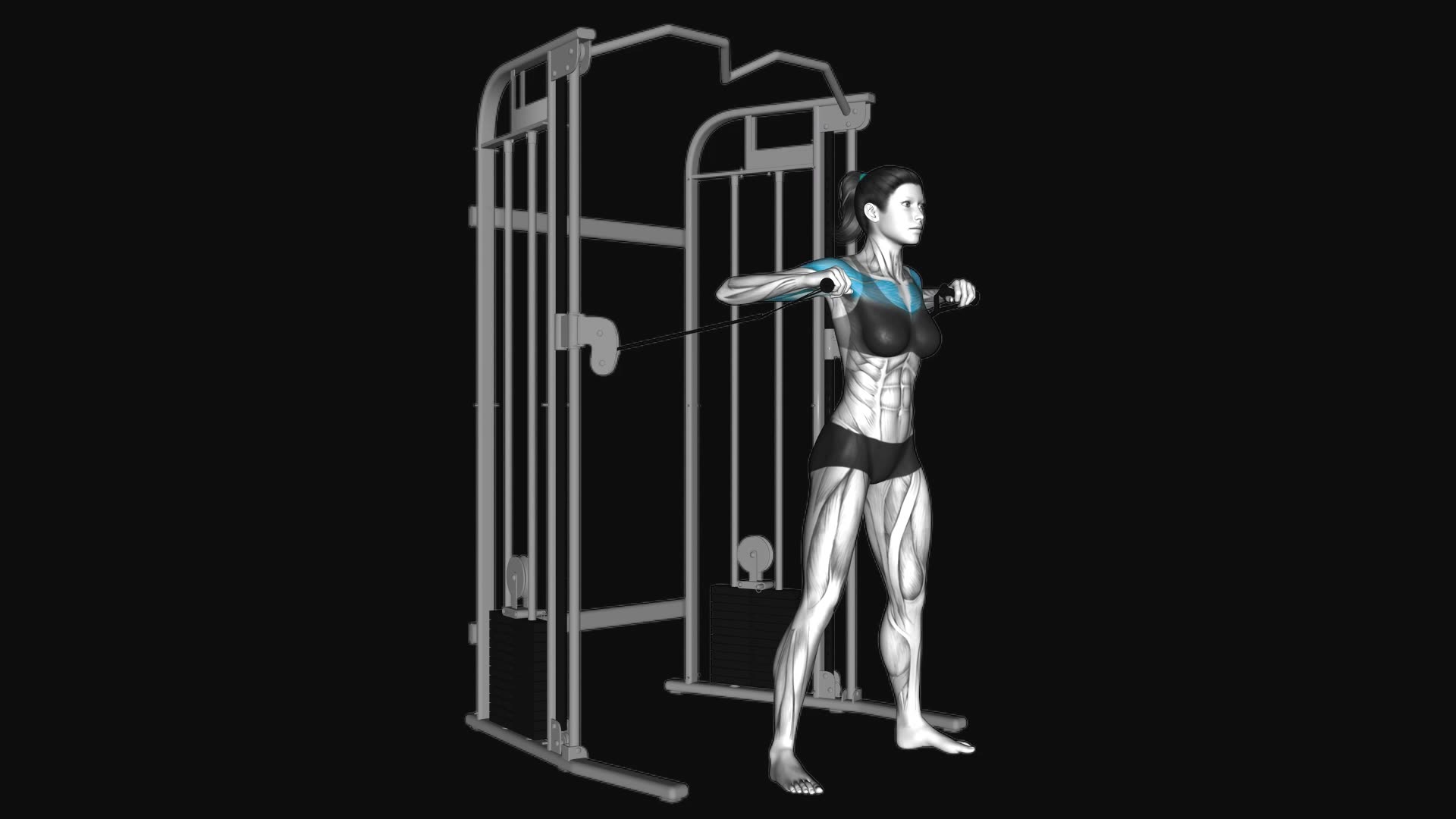
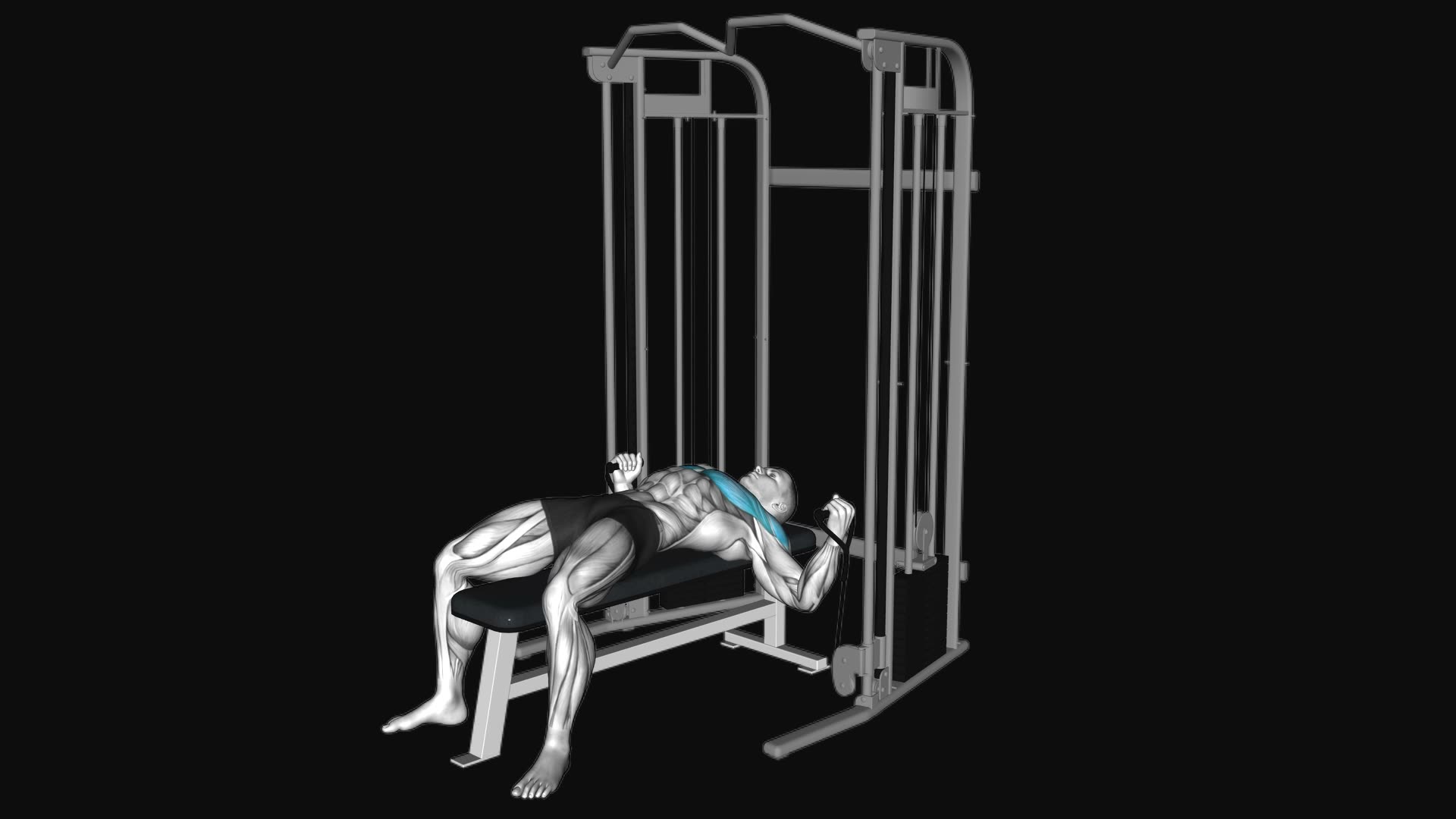
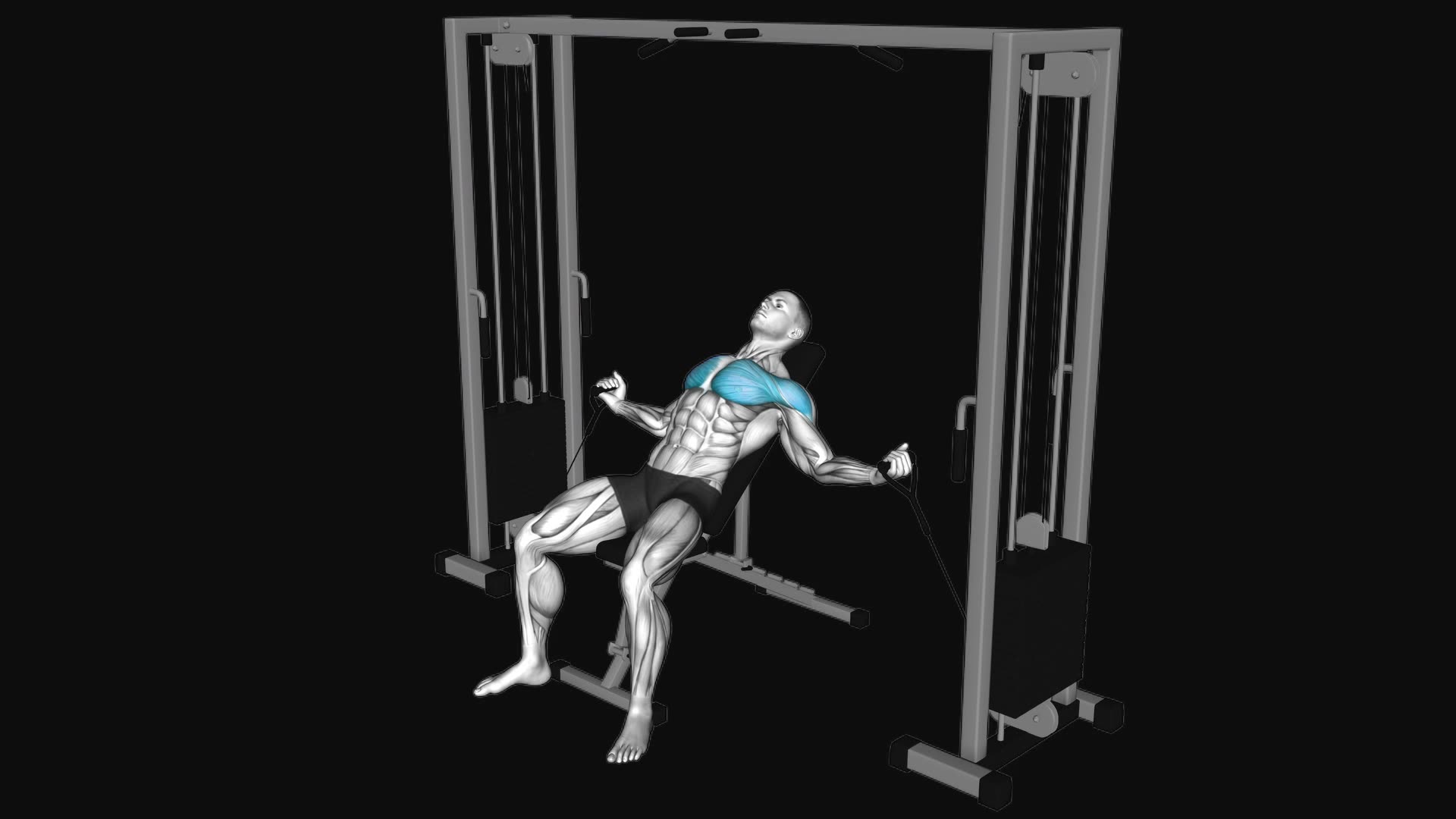
The chest-supported cable fly is an isolation exercise targeting the pectoralis major while lying prone on a bench. Stabilizing the torso eliminates momentum and lower-back strain, making it an excellent choice for targeted chest hypertrophy toward the middle or end of a session.
- Muscles
- Chest
- Equipment
- Cable machine
- Type
- Strength
- Animation
- Men
How to do it
- Set an incline or flat bench in front of a cable machine positioned between two pulleys.
- Lie chest-down on the bench and grab the cable handles.
- With a slight bend in your elbows, bring the handles together in front of your chest in an arc motion.
- Squeeze your chest at the center.
- Return to the starting position with control.
Common mistakes
- Bending the elbows excessively turns the fly into a press and reduces tension on the pecs.
- Lifting the torso off the bench uses body momentum and defeats the purpose of the support.
- Allowing the cables to pull the arms too far back overstretches the shoulder joint and increases injury risk.
Tips
- Maintain a fixed, slight bend in your elbows throughout the entire range of motion.
- Pause for a full second at peak contraction to squeeze your chest before controlling the eccentric phase.
- Align the pulley height and bench angle so the cables pull along the natural orientation of your chest fibers.
Sets and reps
Perform 3 to 4 sets of 10 to 15 reps with strict control, resting 60 to 90 seconds between sets. Heavy, low-rep sets are not advised for this isolation movement to protect the anterior shoulders.
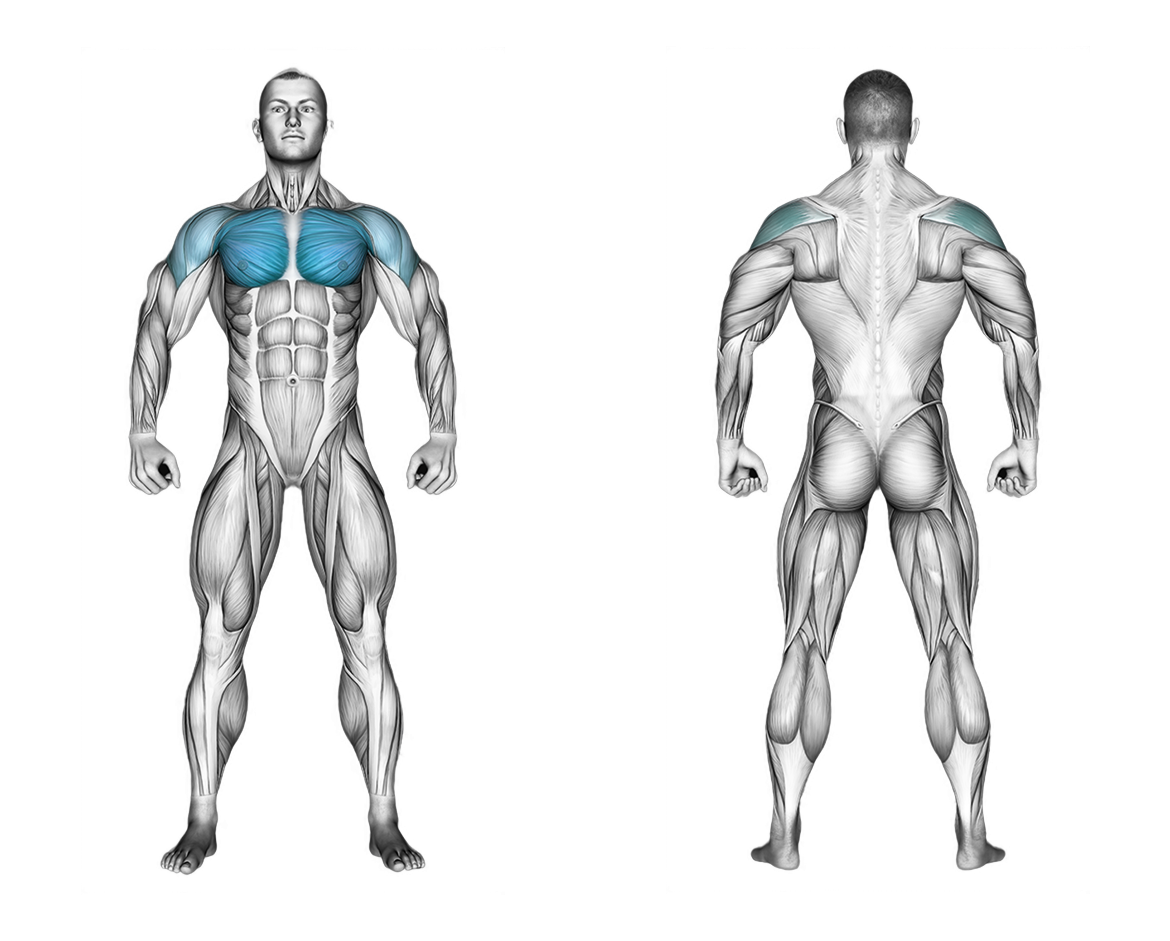
Muscles worked
Your coach guides every set
Turn on the coach in Gloox: it asks how you feel, picks the weight from your history and cues technique and rest. Rate each set and the next one is tuned to you.

On a computer? Point your phone's camera here to get the app.
Questions
Why choose chest-supported cable flyes over standing cable flyes?
The bench support removes torso sway, leg drive, and lower-back strain, ensuring strict isolation on the chest muscles.
What should be done if front shoulder pain occurs during the movement?
Shorten the stretch at the bottom of the rep and experiment with a different bench angle. If pain persists, stop the exercise and consult a specialist.