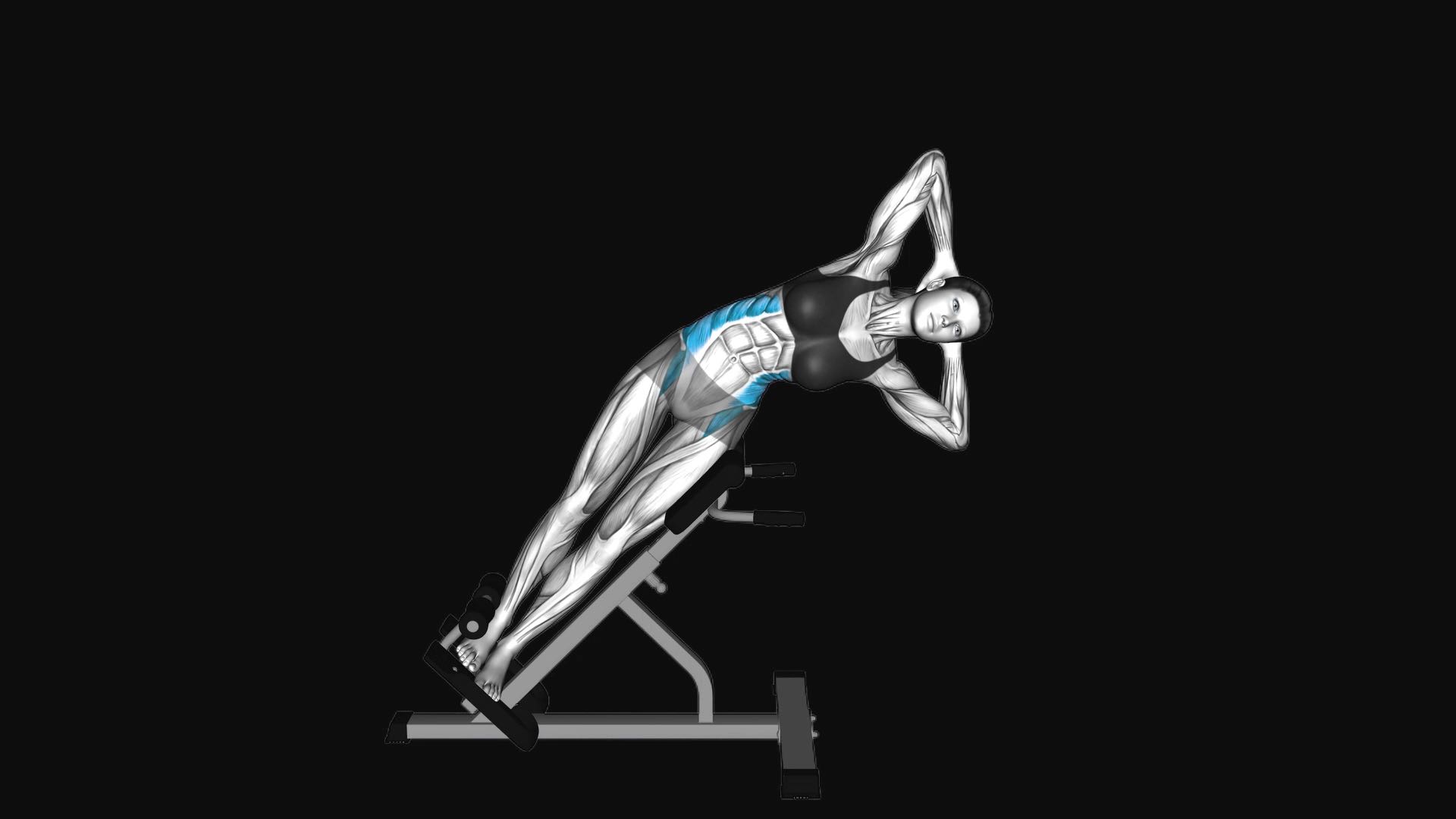
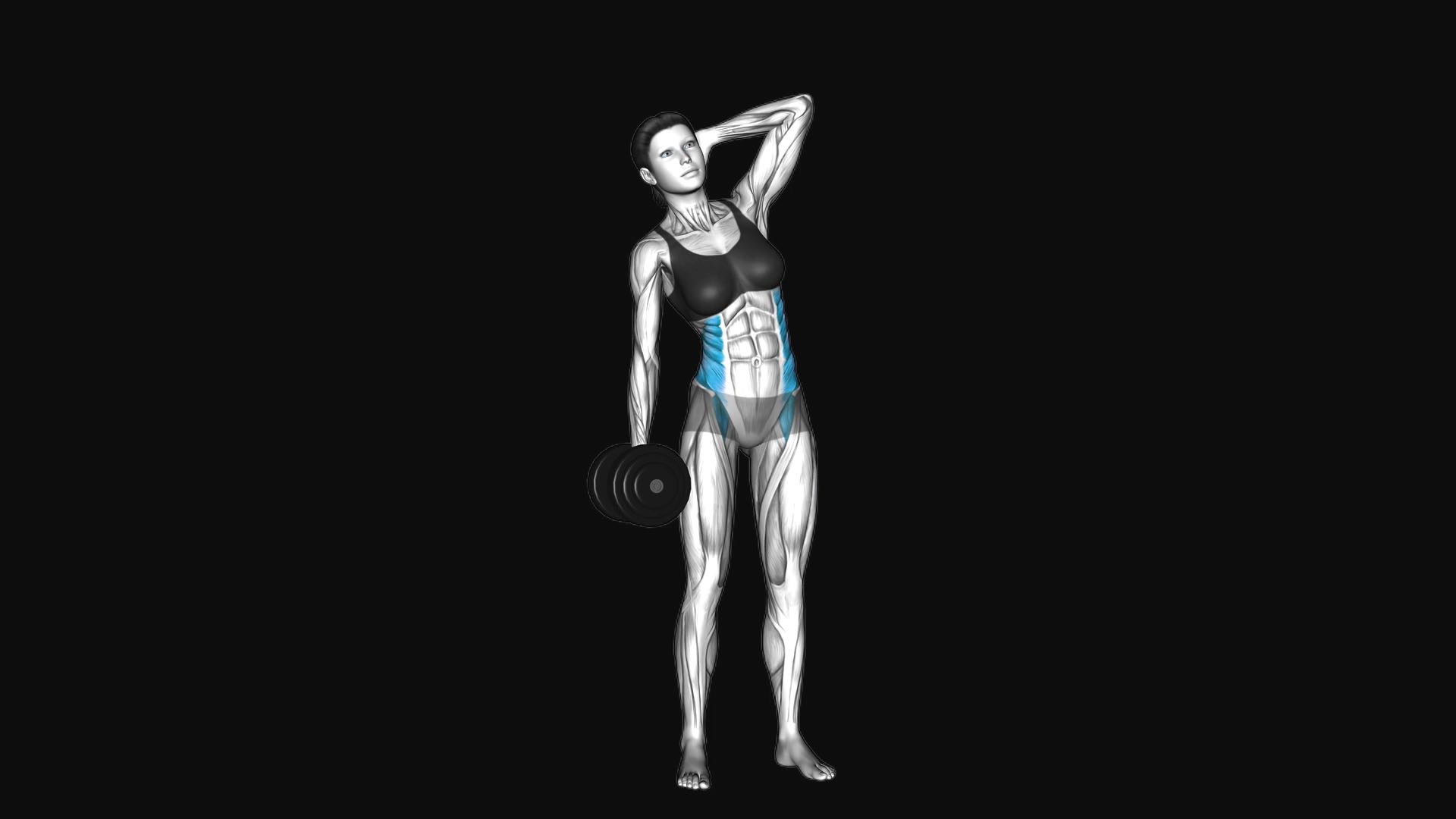
Abs · Pull-up bar
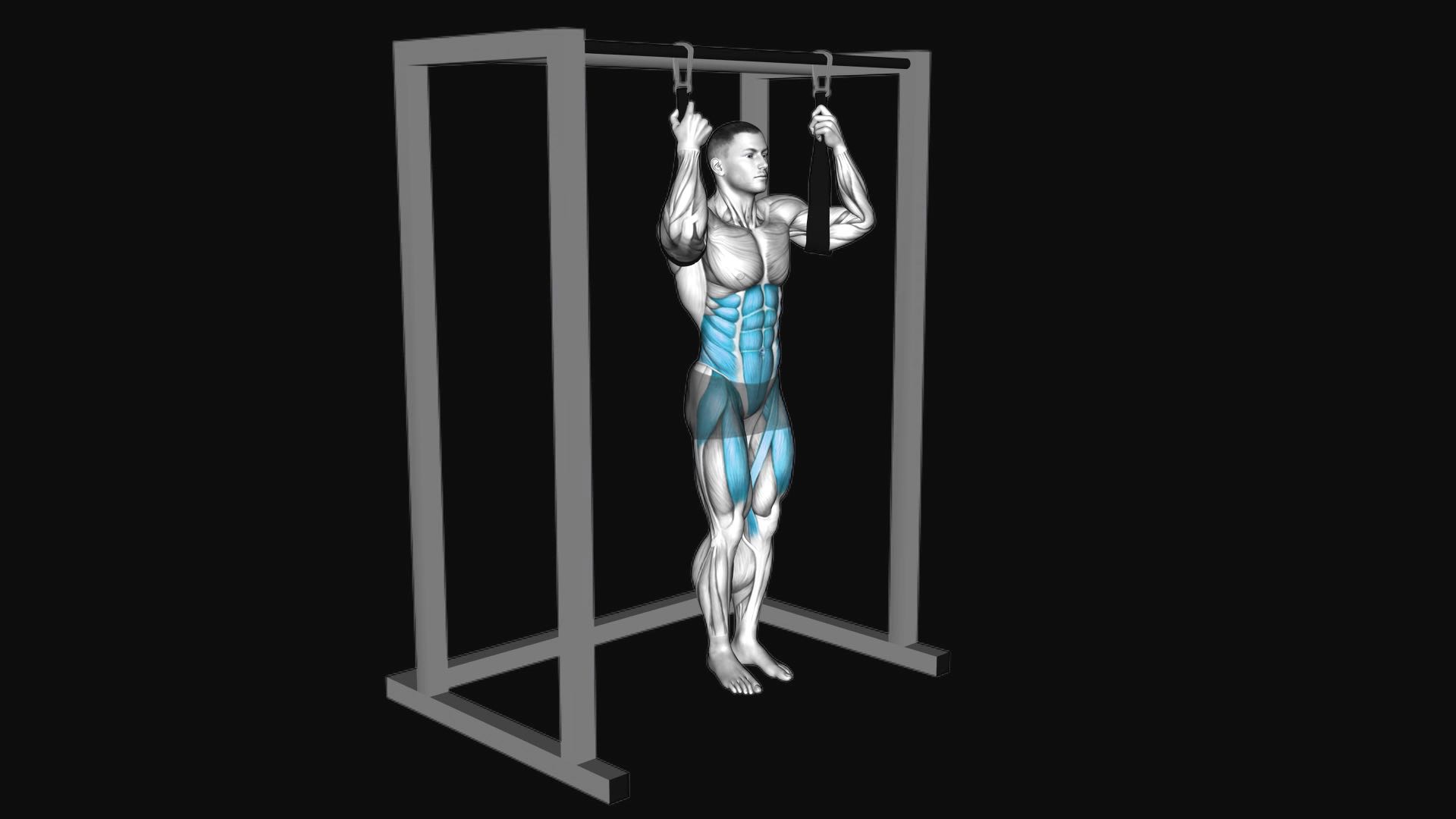
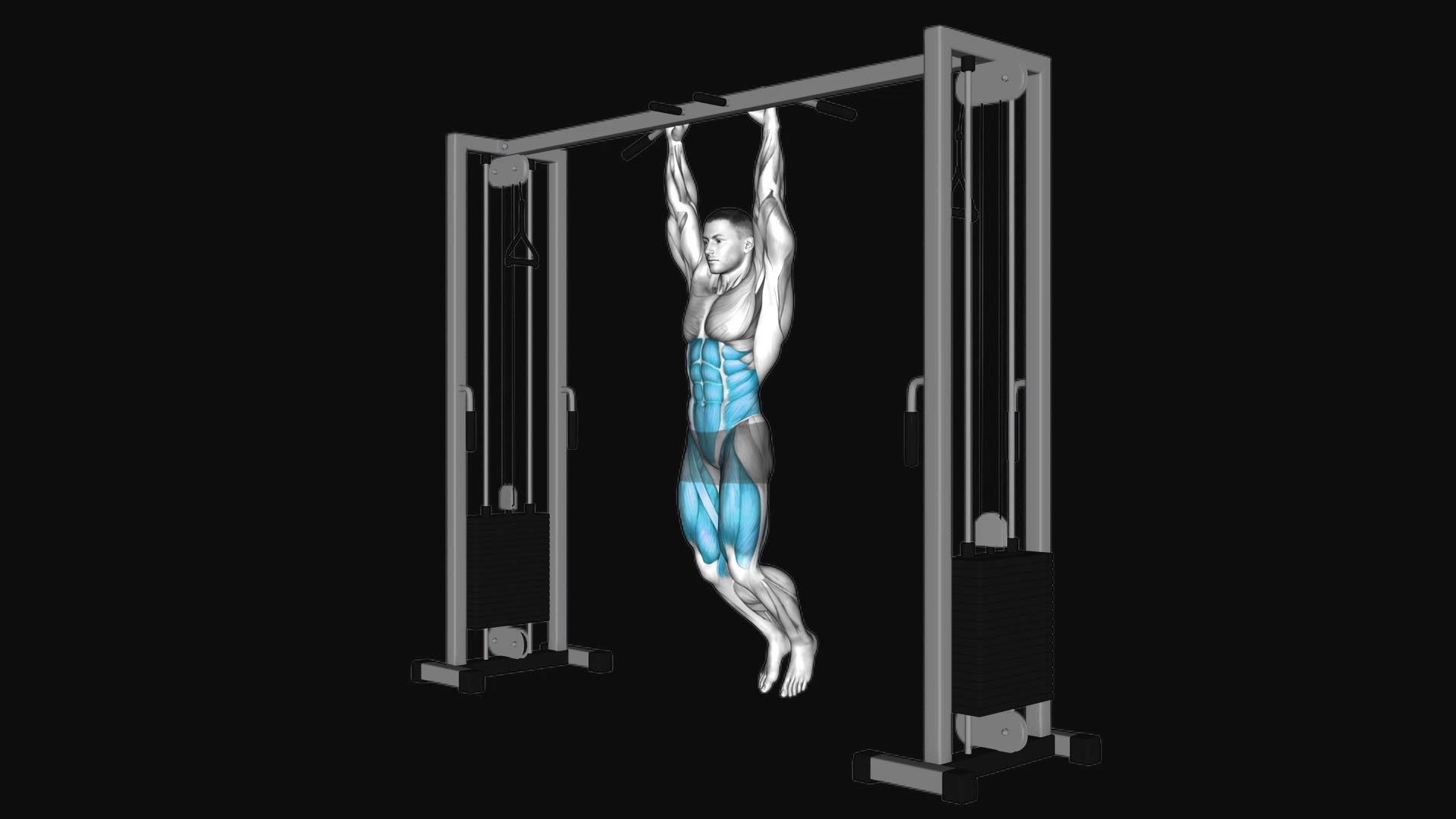
Hanging Oblique Knee Raise
The hanging oblique knee raise is a core exercise that targets the obliques, rectus abdominis, and hip flexors from a hanging position. It is suited for intermediate to advanced lifters and fits well toward the end of a strength or core-focused workout.
- Muscles
- Abs
- Equipment
- Pull-up bar
- Type
- Strength
- Animation
- Men and women
How to do it
- Hang from a pull-up bar with your arms fully extended.
- Keep your core engaged and avoid excessive swinging.
- Bring your knees up and to one side, targeting your obliques.
- Slowly lower your legs back to the starting position.
- Alternate sides or complete all reps on one side before switching.
Common mistakes
- Swinging the torso to generate momentum shifts tension away from the core and stresses the shoulder joints.
- Raising the knees only through hip flexion without curling the pelvis upward minimizes abdominal engagement.
- Hanging completely passively without engaging the shoulder girdle places unnecessary strain on the shoulder ligaments.
Tips
- Maintain an active hang by pulling your shoulder blades slightly down and back throughout the set.
- Pause for a second at the top of the raise to maximize peak contraction in the obliques.
- Lower your legs with deliberate control rather than letting them drop quickly into the bottom position.
Sets and reps
Perform 3 to 4 sets of 8 to 15 controlled repetitions per side with 60 to 90 seconds of rest between sets for strength and muscle development.
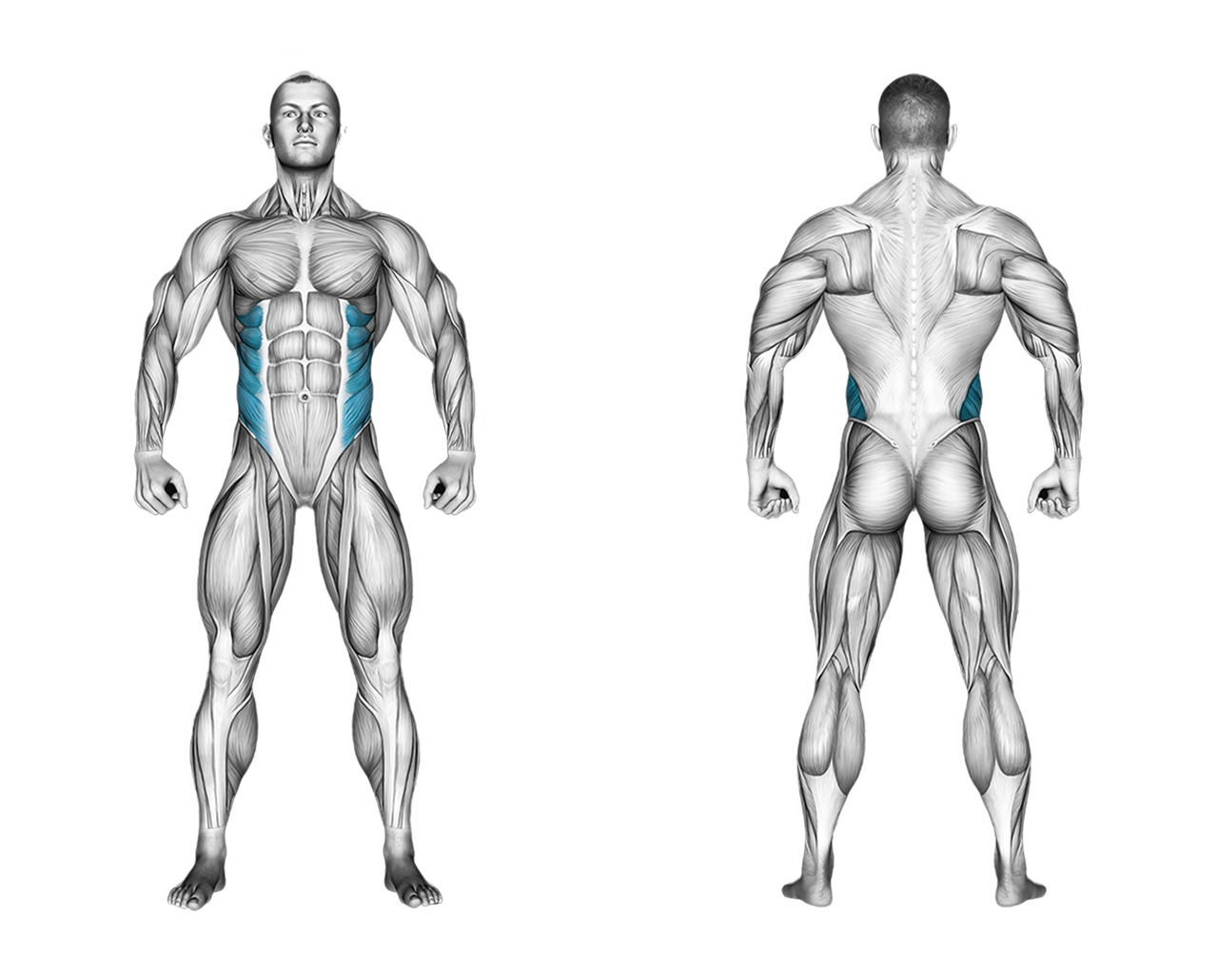
Muscles worked
Your coach guides every set
Turn on the coach in Gloox: it asks how you feel, picks the weight from your history and cues technique and rest. Rate each set and the next one is tuned to you.

On a computer? Point your phone's camera here to get the app.
Questions
What can you do if your grip fails before your core is tired?
You can perform the movement using a captain's chair station with forearm support or use hanging ab straps on the bar.
Is this exercise safe for the lower back?
Hanging provides natural spinal decompression, but if you experience any pain or discomfort in your lower back, stop immediately and consult a healthcare professional.