Legs · Cardio machines
Stationary Bike Run
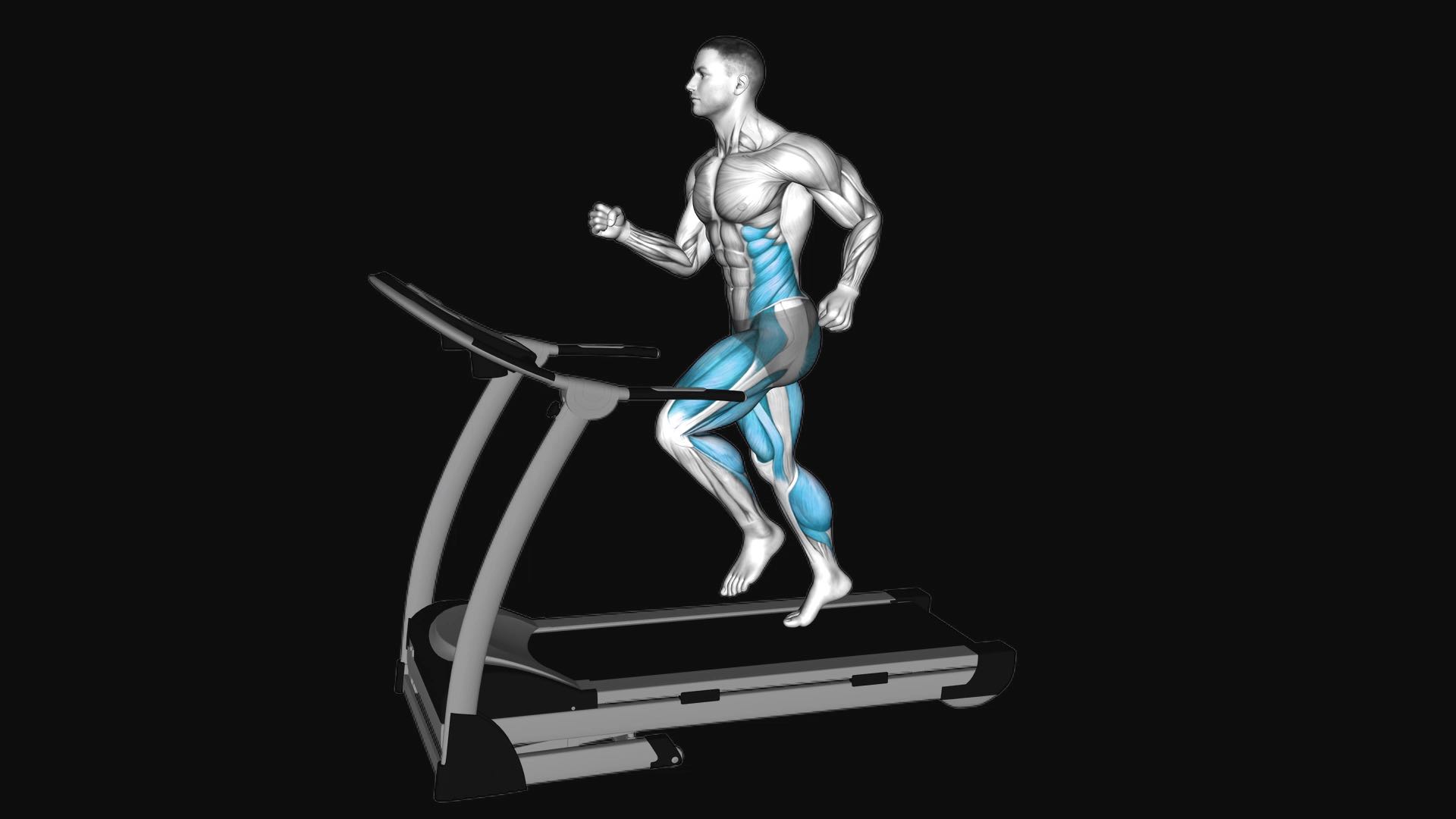
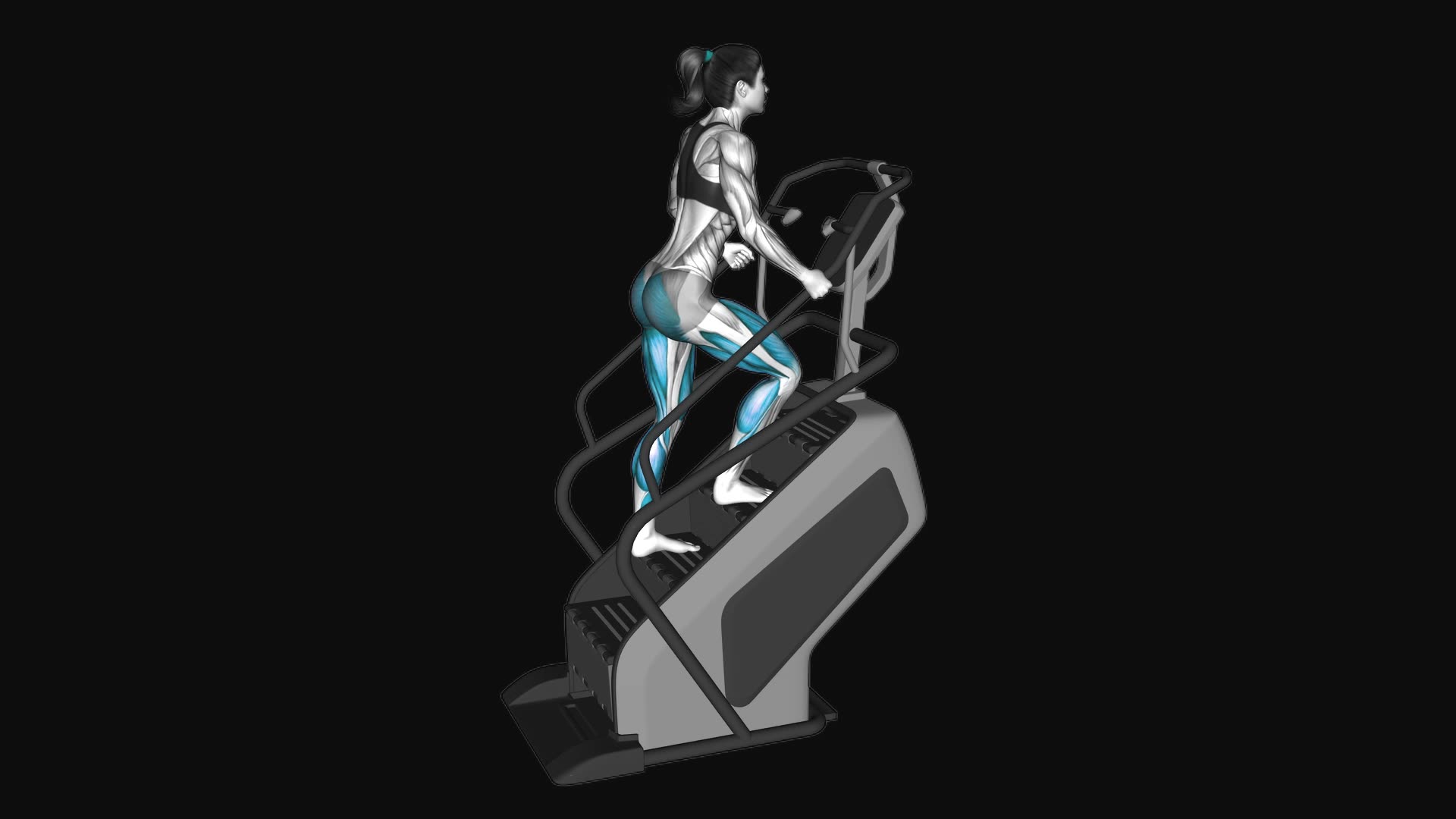
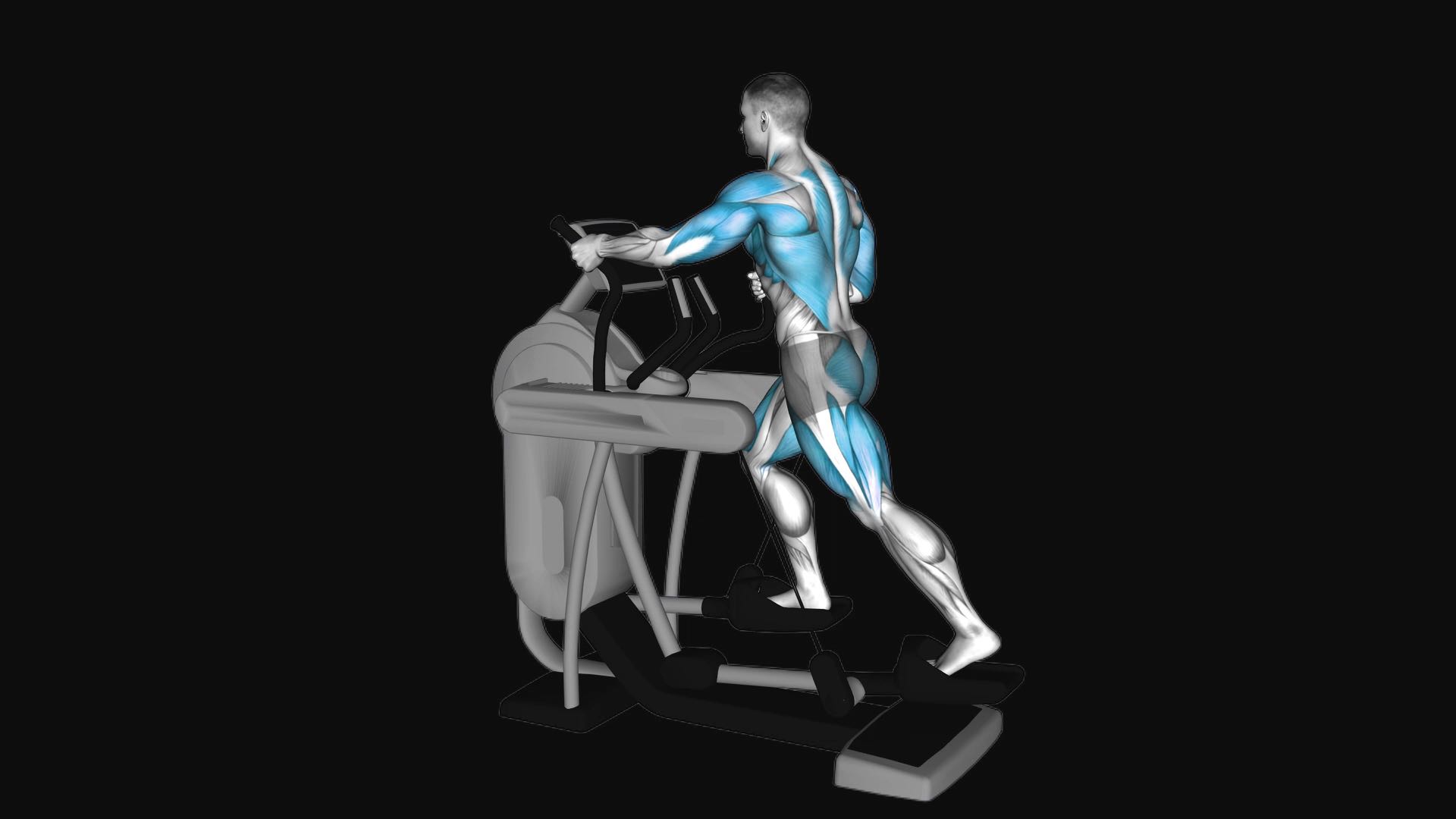
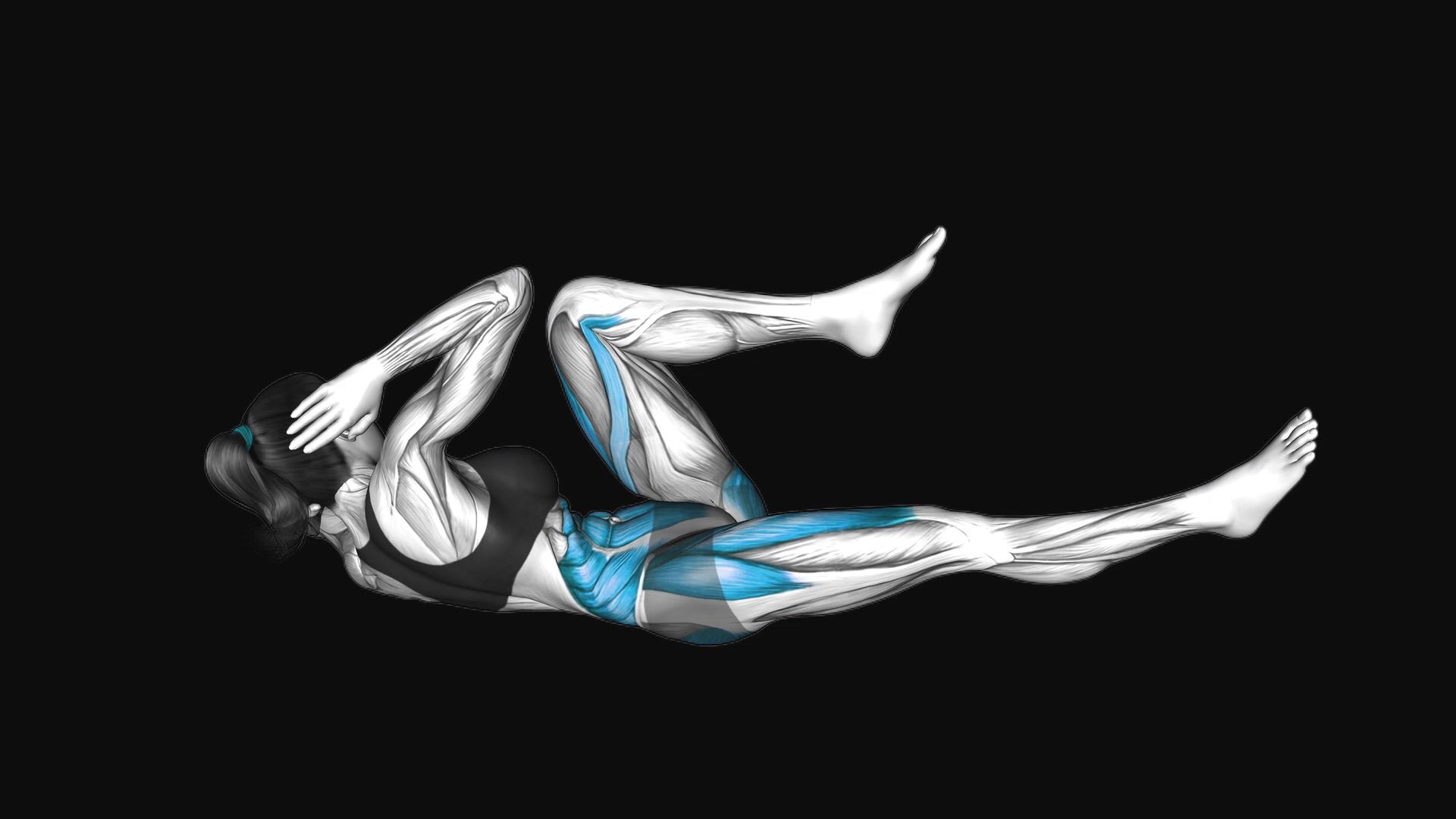
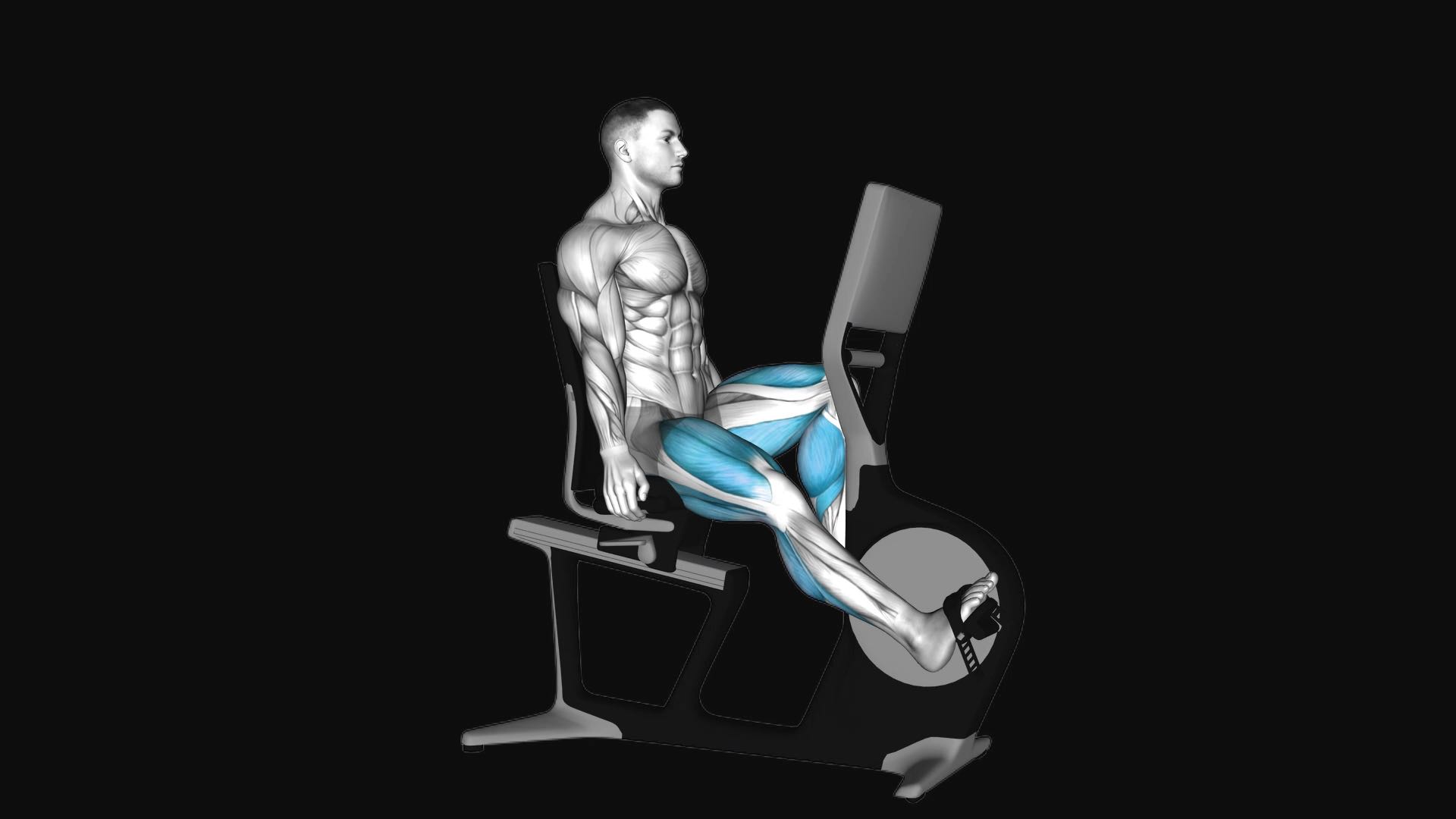
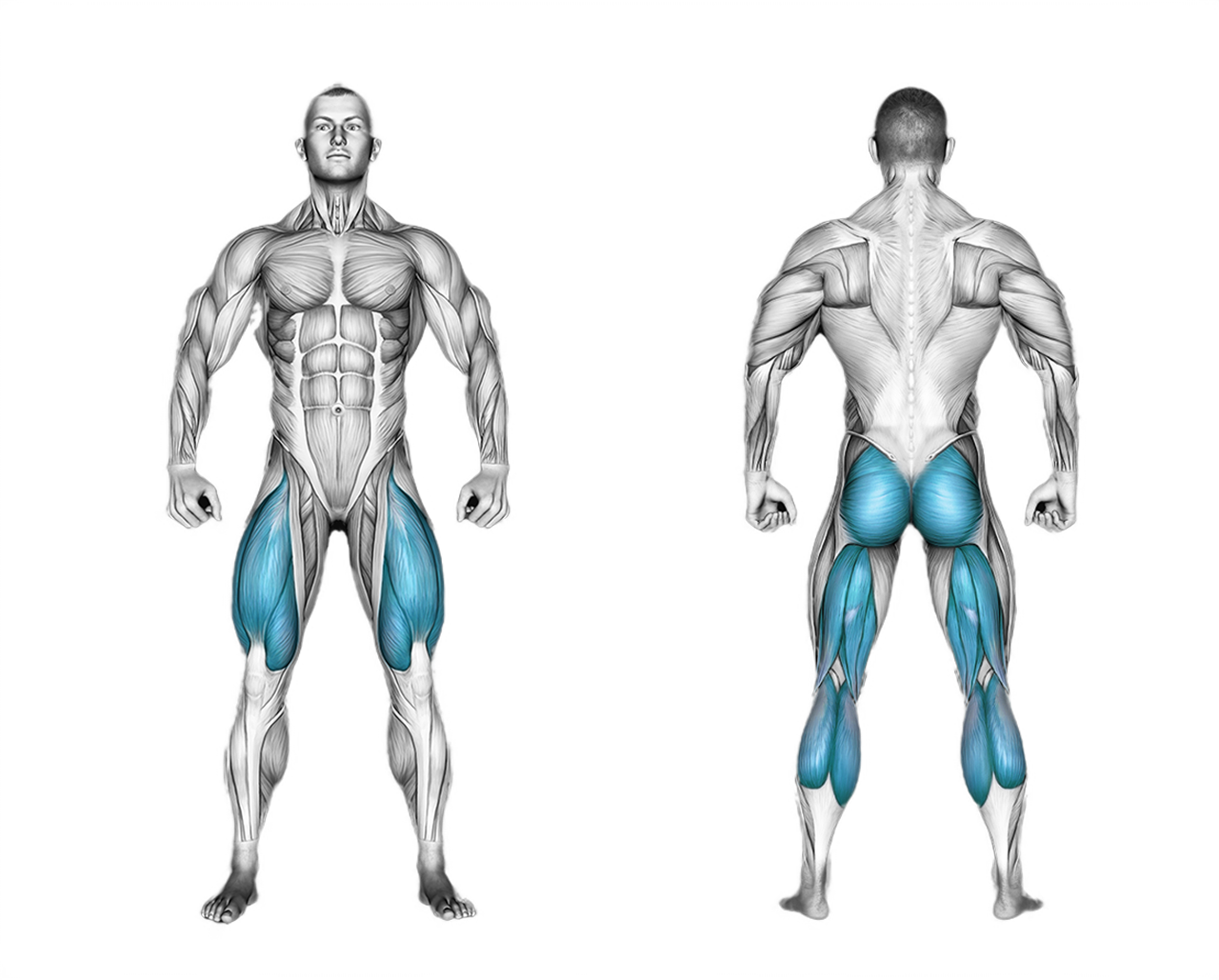
The stationary bike run is a low-impact cardiovascular exercise designed to build aerobic capacity and strengthen the lower body. It primarily targets the quadriceps, glutes, hamstrings, and calves, serving effectively as a warm-up, cool-down, or dedicated endurance workout.
- Muscles
- Legs
- Equipment
- Cardio machines
- Type
- Cardio / timed
- Animation
- Men and women
How to do it
- Sit on the stationary bike and adjust the seat height so that your knees remain slightly bent at the lowest pedal position.
- Place your feet securely on the pedals, using straps if available to keep them in place.
- Grip the handlebars comfortably and maintain an upright posture.
- Start pedaling at a comfortable pace, gradually increasing your speed and resistance as desired.
- Focus on a smooth and consistent motion, engaging your core for stability.
- Adjust the resistance level or follow a programmed workout for intervals or hills.
- Continue for your desired duration or until you meet your fitness goal.
Common mistakes
- Setting the saddle too low or too high places unnecessary stress on the knees and reduces mechanical efficiency.
- Slouching over the handlebars and bearing heavy body weight through the hands causes neck, shoulder, and lower back strain.
- Pedaling against insufficient resistance at extreme speeds causes bouncing on the seat and compromises joint stability.
- Flaring the knees outward during the stroke places improper twisting forces on the knee and hip joints.
Tips
- Adjust the seat height so your knee retains a slight bend when the pedal reaches the bottom of the rotation.
- Keep your shoulders relaxed and maintain a light grip on the handlebars while bracing your core to support your torso.
- Apply pressure through the balls of your feet and focus on fluid, complete circular pedal strokes rather than only stomping down.
Sets and reps
Use 5 to 10 minutes at an easy pace to warm up, or ride continuously for 20 to 45 minutes to develop cardiovascular endurance. For high-intensity intervals, perform 6 to 10 rounds of 30 to 60 seconds of hard effort followed by 1 to 2 minutes of easy recovery pedaling.
Muscles worked
Your coach guides every set
Turn on the coach in Gloox: it asks how you feel, picks the weight from your history and cues technique and rest. Rate each set and the next one is tuned to you.

On a computer? Point your phone's camera here to get the app.
Questions
Is the stationary bike safe to use with knee discomfort?
Because it eliminates ground impact, stationary cycling is generally gentle on the knees when the seat is properly positioned. If you experience sharp joint pain, stop pedaling and consult a qualified healthcare professional.
What muscles work hardest on a stationary bike?
The quadriceps and glutes generate the majority of the pushing power, while the calves stabilize each stroke. Using pedal straps also recruits the hamstrings and hip flexors during the upward pull.